NEWS

NdFeB Magnet Manufacturer: Custom Magnets for OEM Applications

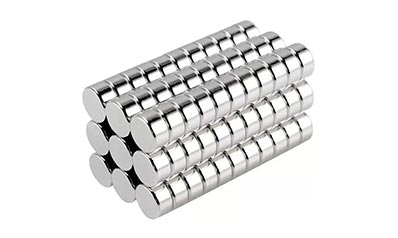
NdFeB magnets, also known as neodymium iron boron magnets, are essential materials in many modern industrial products. Their high magnetic energy density makes them suitable for compact motors, automotive components, household appliances, water pumps, robotics, medical equipment and precision electronic devices. As equipment manufacturers continue to pursue smaller structures and improved performance, demand for customized neodymium magnetic components is also growing. Choosing the right NdFeB Magnet Manufacturer is therefore an important part of product development and supply chain management. Buyers need more than a supplier offering standard magnet grades. They need a manufacturing partner that understands material characteristics, component geometry, magnetization requirements, surface protection and the operating environment of the final product. High Kos Magnet focuses on magnetic material research, development and manufacturing, with products covering injection-molded and sintered magnetic solutions. The company provides magnetic components for applications including motors, household appliances, automotive systems and water pumps. This article explains the manufacturing processes, material selection factors, industrial applications and supplier evaluation criteria that OEM and ODM buyers should understand before starting a custom magnet project. What Does an NdFeB Magnet Manufacturer Do? An NdFeB Magnet Manufacturer produces permanent magnets made primarily from neodymium, iron and boron. These materials are widely
BLDC Motor Rotor: The Magnetic Core That Decides Motor Performance Across Appliances, Vehicles and Robotics

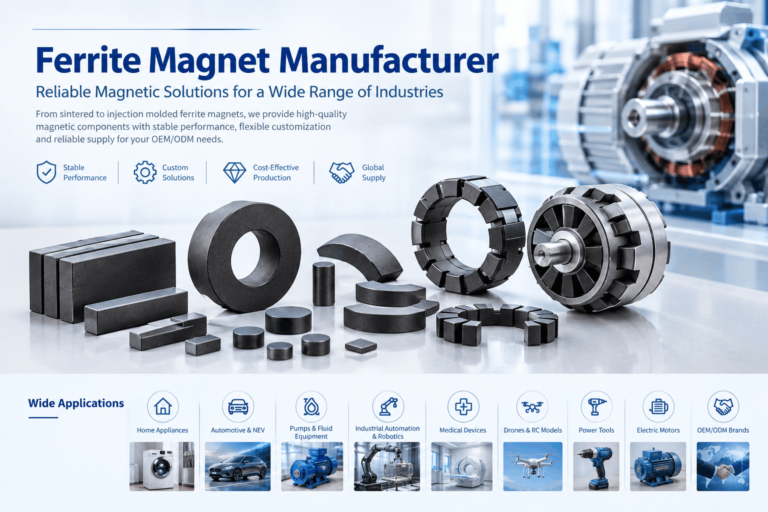
In a brushless DC motor, the stator receives most of the engineering attention during early design reviews. Copper turns, slot fill, and winding topology dominate the conversation because they are visible and measurable. Yet the BLDC motor rotor is where the magnetic field originates, and its material grade, pole geometry, and manufacturing tolerance determine whether the motor achieves its promised torque, noise level, and service life. For manufacturers across home appliances, automotive and new-energy vehicles, pumps, industrial automation, medical devices, drones, power tools, and OEM/ODM brands, rotor specification is not a secondary detail—it is a design decision that shapes the entire product. Highkos has spent nearly two decades in magnetic materials, producing ferrite and NdFeB components for motor applications. That background matters because the rotor is fundamentally a magnetic component before it is a mechanical one. The company’s injection-molded magnetic rings and rotor assemblies are used in BLDC motor platforms where pole consistency, dimensional accuracy, and long-term flux stability directly affect end-product performance. How BLDC Motor Rotor Design Shapes Appliance Efficiency and Acoustic Comfort Home appliance manufacturers face a regulatory landscape that leaves little room for magnetic circuit inefficiency. Refrigerator fan motors, washing machine drum drives, range hood blowers, and air purifier

Ferrite Magnet Manufacturer

Ferrite Magnet Manufacturer: Custom Solutions for OEMs

Choosing the right Ferrite Magnet Manufacturer is an important decision for businesses producing electric motors, household appliances, automotive components, water pumps, industrial automation equipment and other magnetic assemblies. Ferrite magnets remain widely used in industrial manufacturing because they offer a practical balance of material cost, magnetic performance and suitability for high-volume production. However, not every ferrite magnet is suitable for every application. Component geometry, manufacturing process, magnetization direction, operating temperature and installation requirements all influence the final result. For OEM and ODM buyers, selecting a manufacturer that understands these factors can help reduce development risks and improve consistency across production batches. High Kos Magnet focuses on magnetic materials and customized magnetic components, including injection-molded and sintered magnets. Its product portfolio includes ferrite motor rotors, magnetic rings and water pump rotor components for different industrial applications. Buyers can explore the High Kos Magnet official website to review its product range and manufacturing information. This guide explains ferrite magnet types, manufacturing processes, industrial applications and supplier evaluation criteria to help purchasing managers and engineers identify a suitable manufacturing partner. What Does a Ferrite Magnet Manufacturer Produce? A Ferrite Magnet Manufacturer produces permanent magnetic components made primarily from ferrite-based magnetic materials. Often called

Motor Solutions

Motor Solutions for Global OEMs: Appliances, Automotive, Pumps and Robotics

In global manufacturing, the electric motor is no longer a commodity part. It decides whether an appliance meets energy-efficiency labels, whether an electric vehicle water pump survives a decade of thermal cycling, and whether a collaborative robot achieves the repeatability its datasheet promises. For manufacturers across home appliances, automotive and new-energy vehicles, pumps and fluid equipment, indu strial automation, medical devices, drones, power tools and specialty motor production, sourcing reliable motor solutions is really a search for supply chain certainty and engineering alignment. Highkos works at the intersection of magnetic material science and motor design. That position lets the company control critical performance variables from the raw material stage instead of merely assembling purchased parts. This vertical orientation matters because the industries above share one pressure point: they cannot afford field failures, yet they face relentless cost-down demands from their own customers. A motor that is over-engineered erodes margin; a motor that is under-engineered erodes brand equity. Highkos engineers work in the narrow band between those two outcomes.   Why Motor Solutions Decide Appliance Performance and Energy Ratings Home appliance manufacturers face a regulatory environment that tightens faster than most supply chains can adapt. Refrigerator compressor motors, washing machine drum drives, range

Motor Rotor Manufacturer

Motor Rotor Manufacturer: Custom Solutions for Modern Motors

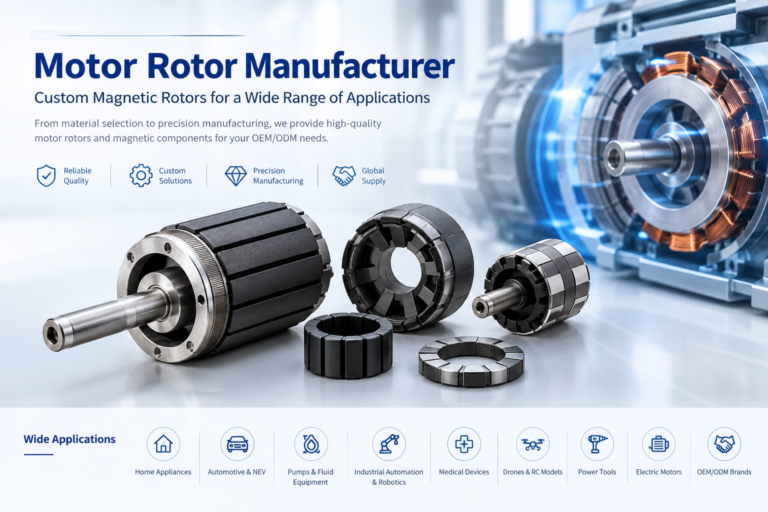
Choosing the right Motor Rotor Manufacturer is an important decision for companies developing electric motors, household appliances, automotive components, water pumps and industrial equipment. The rotor is a core part of a motor’s electromagnetic and mechanical system. Its structure, magnetic properties, dimensional accuracy and balance can all influence operating efficiency, vibration, noise and long-term reliability. For OEM and ODM buyers, sourcing a motor rotor is not simply a matter of finding a component with the right dimensions. The supplier must understand how the rotor works within the complete motor assembly, what magnetic material suits the application, how the component will be manufactured and which quality requirements must be maintained during mass production. High Kos Magnet focuses on magnetic materials and customized magnetic components, including injection-molded and sintered magnet solutions. Its product range includes motor inner rotors, outer rotors, magnetic rings and water pump rotors for different equipment applications. Buyers can explore the High Kos Magnet official website to learn more about its magnetic products and manufacturing focus. This article explains motor rotor types, material selection, manufacturing considerations, application requirements and supplier evaluation criteria to help engineering teams and purchasing managers make informed sourcing decisions. What Does a Motor Rotor Manufacturer

Magnetic Ring Manufacturer

Magnetic Ring Manufacturer: Custom Solutions for Motors and Sensors

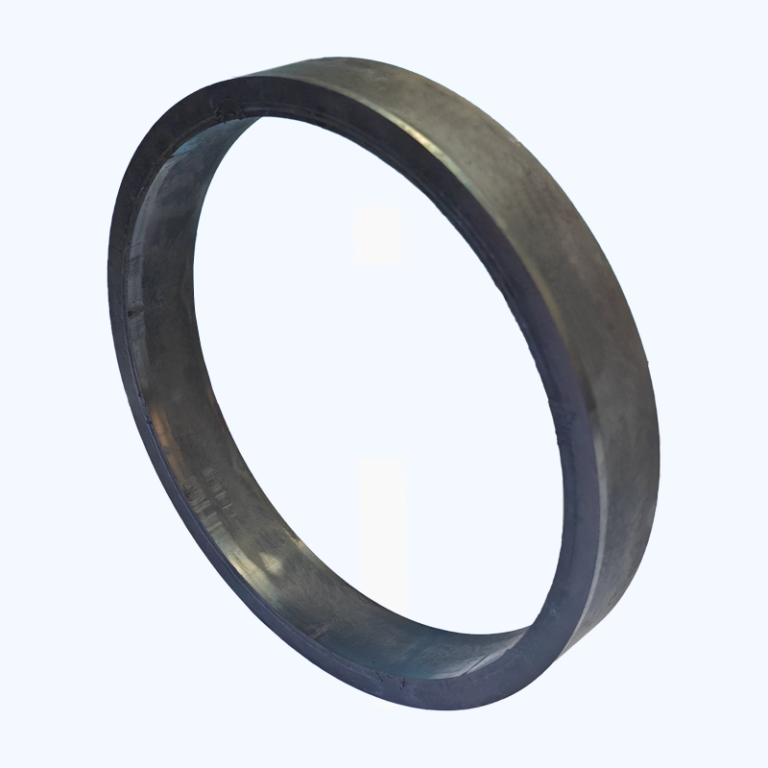
Magnetic rings are important components in modern motors, sensing systems, automotive electronics, household appliances and industrial equipment. Their geometry, magnetic material, pole configuration and dimensional consistency can directly influence the performance of the final product. For manufacturers developing compact motors or precision sensing devices, choosing the right Magnetic Ring Manufacturer is an important part of product development and supply chain management. A reliable manufacturing partner should do more than supply standard magnetic components. It should understand the application, evaluate material options, coordinate magnetization requirements and maintain consistent production quality. These factors become particularly important for OEM and ODM projects, where a magnetic ring must fit a specific mechanical structure and meet defined performance requirements. High Kos Magnet focuses on magnetic materials and customized magnetic components, including injection-molded and sintered magnet solutions. Its product range includes magnetic rings and motor-related components for applications such as home appliances, automotive systems and water pumps. Buyers can explore the High Kos Magnet website to learn more about its products and manufacturing focus. This guide explains the main magnetic ring types, material considerations, industrial applications and supplier evaluation criteria to help engineering teams and purchasing managers make informed decisions. What Does a Magnetic Ring Manufacturer

Injection Molded Magnets Manufacturer

Injection Molded Magnets Manufacturer: A Guide for OEM Buyers

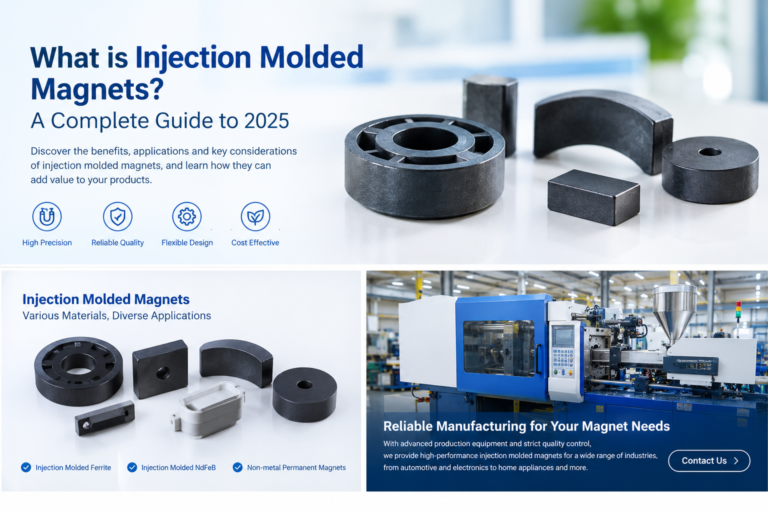
Choosing the right magnetic component is an important decision for manufacturers developing electric motors, pumps, sensors and precision equipment. Beyond magnetic strength, buyers must consider component geometry, dimensional consistency, operating temperature, assembly requirements and production cost. Working with an experienced Injection Molded Magnets Manufacturer helps OEM and ODM companies evaluate these factors before committing to tooling and mass production. Injection molded magnets are used in many industries, including household appliances, automotive components, new energy vehicle systems, water pumps, industrial automation, medical equipment, drones and power tools. Their ability to support application-specific shapes makes them worth evaluating when conventional magnet geometries or multi-part assemblies do not meet a product’s design requirements. However, not every molded magnetic component is suitable for every application. Material composition, mold design, magnetization requirements and operating conditions must be considered together. This guide explains the manufacturing process, major benefits, industrial applications and supplier evaluation criteria to help buyers select the right magnetic solution. What Does an Injection Molded Magnets Manufacturer Do? An Injection Molded Magnets Manufacturer produces magnetic components by combining magnetic powder with a suitable binder and shaping the mixture through an injection molding process. Depending on the material system, the finished component may be formed

Inner Rotor Design: Materials, Benefits and Applications

In modern electric motors, rotor design has a direct influence on torque generation, operating stability, mechanical integration and overall equipment performance. For manufacturers of household appliances, automotive components, water pumps, industrial automation equipment and precision machinery, choosing the right rotor structure is an important part of product development. An inner rotor is a motor configuration in which the rotating component is positioned inside the stationary stator. This arrangement is widely used in permanent magnet motors, brushless DC (BLDC) motors and other drive systems where compact construction and controlled rotation are important. Depending on the application, the rotor may incorporate ferrite magnets, neodymium magnets or injection-molded magnetic components. For OEM and ODM manufacturers, understanding rotor structure, material options, magnetization requirements and production quality helps reduce design risks and improve component compatibility. This guide explains how inner rotor systems work, where they are used and what to consider when sourcing customized magnetic rotor components. What Is an Inner Rotor in Motor Design? An inner rotor is the rotating part of a motor that sits within the stator assembly. The stator remains stationary and typically contains electrical windings, while the rotor carries permanent magnets or another magnetic structure, depending on the motor type.

Injection Molded Magnets

Key Advantages of Injection Molded Magnets for OEM Projects

Injection molded magnets are valuable components in modern motors, sensors, automotive electronics, water pumps, and industrial equipment. For product designers and purchasing teams, selecting the right magnetic component involves more than comparing material prices. Geometry, magnetic performance, dimensional consistency, operating conditions, and manufacturing capability all influence the final result. For OEMs and industrial buyers, the challenge is to find a magnetic solution that meets technical requirements while supporting reliable production and long-term supply. Understanding the manufacturing process, material options, and supplier evaluation criteria can help reduce development risks and improve purchasing decisions. This guide explains how injection molded magnets work, where they are used, what buyers should evaluate, and how to collaborate with a manufacturer on customized magnetic components.   What Are Injection Molded Magnets? Injection molded magnets are permanent magnetic components manufactured by combining magnetic powder with a suitable polymer binder and shaping the mixture through an injection molding process. After molding, the components may undergo additional operations, including magnetization, inspection, and finishing, depending on the product design. Unlike conventional magnets that are typically produced through pressing and sintering, injection-molded magnetic materials can offer greater flexibility in component geometry. This makes them useful when an application requires integrated structures,

Induction Magnetic Rings

Induction Magnetic Rings: Market Trends, Applications, and Manufacturing Technology

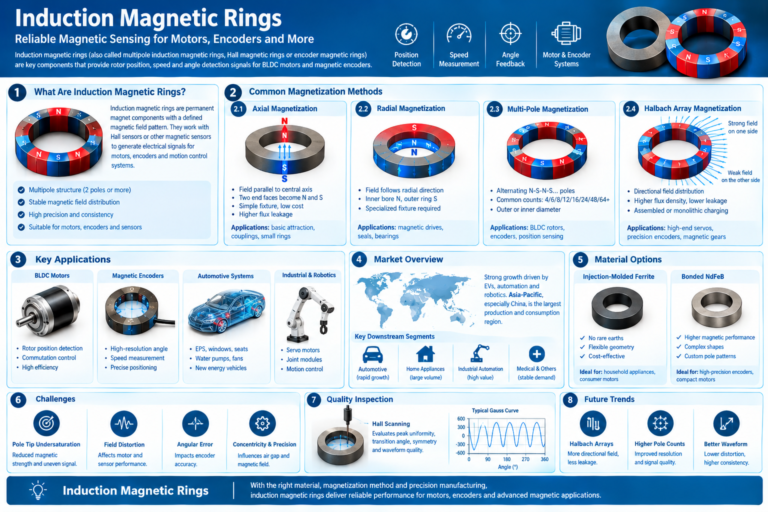
Induction magnetic rings are important permanent magnetic components used in motor position detection, rotational speed measurement, magnetic encoders, and motion control systems. They work with Hall-effect sensors or other magnetic sensing technologies to convert changes in magnetic fields into electrical signals. As brushless motors, automotive electrification, industrial automation, and robotics continue to develop, the demand for accurate and reliable magnetic sensing components is increasing. Manufacturers are placing greater emphasis on multipole magnetization, magnetic field uniformity, dimensional accuracy, and long-term operating stability. For motor manufacturers and magnetic sensing system designers, understanding the structure, applications, and manufacturing requirements of induction magnetic rings is essential for selecting suitable components. What Are Induction Magnetic Rings? Induction magnetic rings are permanent magnetic components designed to generate a defined magnetic field pattern for non-contact sensing. Unlike conventional magnets primarily used for attraction or holding force, these components are engineered to provide magnetic signals that can be detected by sensors during rotation or movement. A typical assembly consists of a magnetic ring, a Hall-effect sensor or another magnetic sensing element, and an electronic control system. As the ring rotates, alternating magnetic poles pass the sensor, generating electrical signals that can be used to calculate rotational speed, position,

Multi-Pole Magnetic Ring Magnetization

Multi-Pole Magnetic Ring Magnetization for Motors and Magnetic Encoders

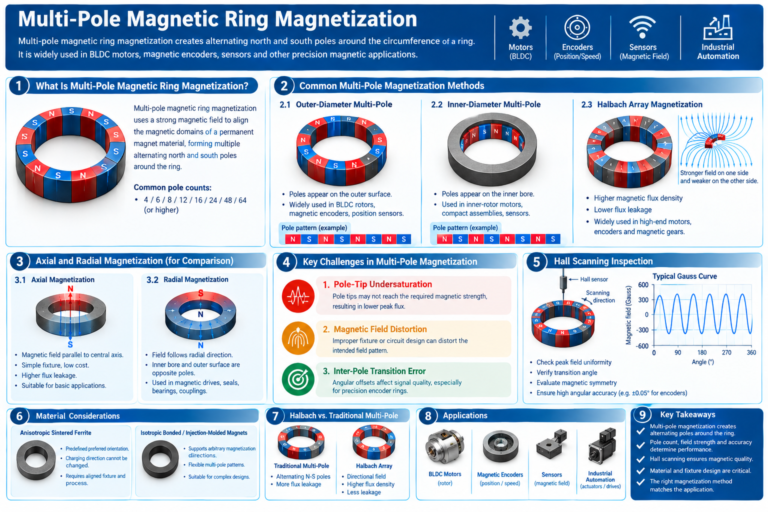
Multi-Pole Magnetic Ring Magnetization is an important manufacturing process for permanent magnetic components used in motors, magnetic encoders, sensors, and other rotary systems. Unlike simple two-pole magnetization, multi-pole charging creates alternating north and south poles around the circumference of a magnetic ring. The number of poles, magnetic field strength, pole width, transition angle, and magnetic uniformity all influence the performance of the finished component. For this reason, precise charging equipment and magnetic inspection are essential when producing high-quality multi-pole magnetic rings. What Is Multi-Pole Magnetic Ring Magnetization? Multi-Pole Magnetic Ring Magnetization creates multiple alternating magnetic poles around the circumference of a permanent magnetic ring. A typical pattern can be represented as: N-S-N-S-N-S-N-S The exact number of poles depends on the application. Common configurations include 4, 6, 8, 12, 16, 24, 48, and 64 poles, while specialized encoder applications may require even higher pole counts. During charging, a specially designed fixture generates a strong magnetic field at specific locations around the ring. The magnetic field aligns the internal magnetic domains and establishes the required pole pattern. After the charging field is removed, the magnetic material retains remanent magnetization. Why Multi-Pole Magnetic Ring Magnetization Matters The main purpose of Multi-Pole Magnetic Ring

Injection Molded Magnetic Components

Injection Molded Magnetic Components for Precision Motor and Sensing Applications

Injection Molded Magnetic Components are widely used in modern motor systems, intelligent sensing equipment, industrial controls and fluid handling applications. By combining injection molding with precision magnetization technology, these magnetic components can provide consistent dimensions, stable magnetic performance and reliable operation for precision machinery. High Kos develops injection molded magnetic rings, magnetic rotors, sensor magnetic rings and pump rotors for different equipment requirements. From standard components to customized designs, the products are developed for applications where magnetic accuracy, mechanical stability and long-term reliability are important. Injection Molded Magnetic Rings for Motor Systems Injection molded magnetic rings are widely used in compact motor applications. The integrated molding process allows the magnetic material and component structure to be produced with controlled dimensions and consistent quality. These magnetic rings can support smooth motor operation and stable magnetic output, making them suitable for: Brushless DC motors Cooling fan motors Stepper motors Smart home appliances Office equipment Automotive micro motors For high-speed applications, dimensional accuracy and dynamic balance are especially important. A properly designed magnetic ring can help reduce vibration and operating noise while maintaining stable motor performance. Injection Molded Magnetic Rotors Injection molded magnetic rotors integrate the magnetic element and rotor structure into a

Scroll to Top