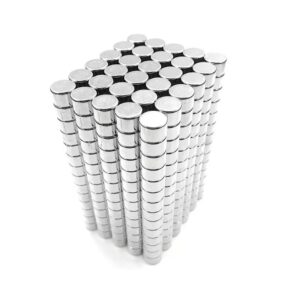
NdFeB magnets, also known as neodymium iron boron magnets, are essential materials in many modern industrial products. Their high magnetic energy density makes them suitable for compact motors, automotive components, household appliances, water pumps, robotics, medical equipment and precision electronic devices. As equipment manufacturers continue to pursue smaller structures and improved performance, demand for customized neodymium magnetic components is also growing.
Choosing the right NdFeB Magnet Manufacturer is therefore an important part of product development and supply chain management. Buyers need more than a supplier offering standard magnet grades. They need a manufacturing partner that understands material characteristics, component geometry, magnetization requirements, surface protection and the operating environment of the final product.
High Kos Magnet focuses on magnetic material research, development and manufacturing, with products covering injection-molded and sintered magnetic solutions. The company provides magnetic components for applications including motors, household appliances, automotive systems and water pumps. This article explains the manufacturing processes, material selection factors, industrial applications and supplier evaluation criteria that OEM and ODM buyers should understand before starting a custom magnet project.
What Does an NdFeB Magnet Manufacturer Do?
An NdFeB Magnet Manufacturer produces permanent magnets made primarily from neodymium, iron and boron. These materials are widely used because they can generate strong magnetic fields in relatively compact components.
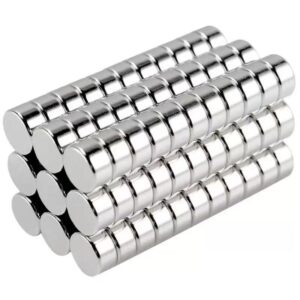
Depending on the product design and manufacturing process, neodymium magnets can be produced in different shapes, including blocks, discs, rings, arcs and customized geometries. They may also be incorporated into magnetic assemblies or motor components.
The main product categories include:
- Sintered NdFeB magnets: Produced through powder metallurgy and commonly selected for applications requiring high magnetic performance.
- Bonded NdFeB magnets: Made by combining magnetic powder with a binder to create components with different mechanical and manufacturing characteristics.
- Injection-molded NdFeB magnets: Formed through injection molding, allowing greater flexibility for certain complex component geometries.
A professional manufacturer should help customers understand the differences between these materials and processes. The best choice depends on magnetic requirements, mechanical structure, operating temperature, production quantity and the intended application.
For OEM buyers, it is particularly important to confirm whether the supplier can manufacture the required magnet type and whether the proposed solution can meet the actual product specifications.
NdFeB Magnet Manufacturing Processes and Material Options
The manufacturing process has a direct influence on the characteristics and possible applications of a neodymium magnet. Before selecting a supplier, buyers should understand the main production methods.
Sintered NdFeB Magnets
Sintered NdFeB magnets are manufactured through a powder metallurgy process. The general production sequence involves alloy preparation, powder processing, forming, sintering and subsequent operations such as machining, surface treatment and magnetization.
This process produces magnets that are widely used in applications requiring strong magnetic performance. Typical applications include electric motors, automotive components, industrial equipment and magnetic assemblies.
Sintered magnets can be manufactured in different shapes according to the component design. However, their mechanical properties and machining requirements should be considered during product development. Design details such as sharp corners, wall thickness, installation methods and mechanical loading can affect component reliability.
High Kos offers a dedicated Sintered NdFeB product range for customers evaluating neodymium magnet options.
Bonded NdFeB Magnets
Bonded NdFeB magnets combine neodymium magnetic powder with a bonding material. The resulting material has different magnetic and mechanical characteristics from conventional sintered magnets.
Depending on the manufacturing method, bonded magnets can support shapes that are difficult to produce using traditional magnet processing. They may be considered for magnetic rings, sensors, compact motors and other components where geometry and assembly requirements are important.
The binder content, magnetic powder characteristics and manufacturing process influence the final performance. Buyers should therefore evaluate bonded magnets based on the complete application specification rather than comparing them with sintered products using magnetic grade alone.
Injection-Molded NdFeB Magnets
Injection-molded NdFeB magnets are produced by combining magnetic powder with a suitable polymer binder and shaping the material through an injection molding process.
This method can support complex geometries and integrated component structures. It may be useful when an application requires customized magnetic rings, precision components or designs that combine magnetic and structural features.
However, injection-molded magnets generally have different magnetic properties from sintered NdFeB magnets. Their suitability depends on the required magnetic output, component dimensions, temperature conditions and mechanical requirements.
A knowledgeable NdFeB Magnet Manufacturer should explain these differences and help customers determine whether injection molding, bonding or sintering is the more appropriate process.
How to Select the Right NdFeB Magnet for Your Project
Selecting a neodymium magnet requires a complete understanding of its working conditions. A high magnetic grade alone does not guarantee that the component will perform properly in the final equipment.
Magnetic Grade and Performance Requirements
The first step is to identify the required magnetic performance. Relevant parameters may include remanence, coercivity, intrinsic coercivity and maximum energy product.
Different grades offer different combinations of magnetic properties. A higher grade is not automatically the best choice for every design. The correct selection should consider the magnetic circuit, air gap, motor structure, target output and demagnetization risk.
Engineering teams should provide the required performance targets whenever possible. This allows the manufacturer to evaluate the material based on the actual application instead of recommending a grade without sufficient technical information.
Operating Temperature and Demagnetization Resistance
Temperature is a critical factor in neodymium magnet selection. Magnetic properties can change when the magnet operates at elevated temperatures, and the acceptable operating range depends on the selected material grade and design.
Automotive components, industrial motors, pumps and power tools may experience different thermal conditions. Buyers should provide the expected operating temperature, temperature fluctuations and any short-term heat exposure.
The magnet grade should be selected according to these conditions, with suitable validation for demanding applications.
Corrosion Protection and Surface Treatment
NdFeB materials may require surface protection to reduce corrosion risks. The appropriate coating or treatment depends on the operating environment, storage conditions and assembly process.
For components exposed to moisture, chemicals or other challenging conditions, buyers should communicate the expected exposure clearly. The selected surface treatment should also be compatible with dimensional tolerances and the final assembly.
Magnet Shape, Dimensions and Magnetization
The magnet’s geometry and magnetization direction influence how it works within the magnetic circuit. Common forms include ring, arc, block and disc magnets, while some projects require application-specific shapes.
For motor and sensor applications, the number of magnetic poles and the magnetization pattern may also be important. Dimensional accuracy, concentricity and assembly compatibility should be considered during design review.
Providing technical drawings or physical samples helps a manufacturer evaluate these requirements more accurately.
Industrial Applications of NdFeB Magnets
A reliable NdFeB Magnet Manufacturer should understand the different operating conditions found across industrial sectors. Although the material is widely used, each application has its own technical priorities.
Household Appliances and Electric Motors
Household appliances use permanent magnets in various motor-driven systems, including fans, washing machines, refrigerators and air-conditioning equipment.
In these products, magnet selection can influence motor structure, magnetic output and overall operating characteristics. Manufacturers must also consider noise, vibration, temperature and production consistency.
Customized magnetic components can help appliance manufacturers integrate the magnet into their motor design and assembly process.
Automotive and New Energy Vehicle Components
Automotive applications may include selected drive motors, actuators, sensors and auxiliary electrical systems. New energy vehicles also use electrically driven components for thermal management, fluid circulation and other functions.
These applications can involve vibration, temperature changes and demanding operating conditions. Buyers should define the required magnetic properties, mechanical requirements, inspection criteria and validation procedures before approving a component for production.
For automotive projects, supplier selection should include an evaluation of manufacturing consistency and the ability to meet project-specific quality requirements.
Water Pumps and Fluid Equipment
Water pumps and fluid equipment may use permanent magnets in compact motor and rotor assemblies. The magnetic component must work with the surrounding motor structure and meet the requirements of the intended operating environment.
Important considerations may include rotor dimensions, magnetic output, operating temperature, corrosion protection and assembly compatibility.
For customized pump components, buyers should provide information about the working fluid, expected temperature, motor structure and installation conditions. These details help the manufacturer evaluate the proposed material and design.
Industrial Automation and Robotics
Industrial automation equipment and robotic systems use motors, actuators and sensing components to achieve controlled movement and positioning.
NdFeB magnets can be suitable for compact motor designs where strong magnetic performance is required. However, the complete system must also consider rotational speed, mechanical loading, heat generation and magnetic stability.
For precision equipment, communication between the motor designer and the magnet manufacturer is important. The magnetic component should be developed according to the complete motor or actuator design.
Medical Equipment, Drones and Power Tools
Selected medical devices use compact motors and actuators that require controlled movement and reliable operation. Drones and model aircraft also depend on compact electric motors, where size, weight and output are important design considerations.
Power tools may require magnetic components capable of working under repeated mechanical and thermal loads.
In each case, magnet selection should be based on the equipment’s actual operating conditions. Medical applications may also involve additional regulatory and validation requirements that must be defined by the equipment manufacturer.
How to Evaluate an NdFeB Magnet Manufacturer
Choosing a supplier is not simply a purchasing decision. It can influence product development, component consistency and long-term production planning.
Manufacturing Experience and Product Categories
First, check whether the manufacturer has experience with the required magnet materials and manufacturing processes. A supplier should be able to explain its sintered, bonded or injection-molded product options and their respective limitations.
High Kos focuses on magnetic materials and customized magnetic components. Its product portfolio includes sintered NdFeB, injection-molded NdFeB and bonded NdFeB categories. Buyers can learn more through the company’s magnet manufacturing information.
Engineering and Customization Support
OEM and ODM projects often require customized dimensions, magnetization patterns or integrated component structures. A supplier should be able to review drawings, samples and technical specifications before confirming manufacturing feasibility.
High Kos describes its manufacturing operations as covering research and development, mold manufacturing, injection molding, precision machining, assembly and magnetization. These processes are relevant when developing customized magnetic components.
For additional information about molded magnetic solutions, see the article on Injection-Bonded Magnets.
Quality Control and Batch Consistency
Magnetic components must meet the agreed specifications throughout production. Buyers should ask how the supplier manages incoming material checks, process inspection, dimensional measurement and magnetic performance testing.
For projects with strict requirements, the inspection plan should be agreed before mass production. Sample approval, acceptance criteria and relevant documentation should also be clarified.
Communication and Supply Planning
A dependable supplier should communicate clearly about technical feasibility, sampling, tooling, production planning and delivery arrangements.
For long-term OEM projects, early technical communication can reduce unnecessary design changes and help prevent misunderstandings during mass production. Buyers should also confirm the manufacturer’s supply arrangements according to their estimated demand.
How to Start a Custom NdFeB Magnet Project
A clear project inquiry helps the manufacturer understand the application and evaluate the technical requirements. Before requesting a quotation, prepare as much of the following information as possible:
- Application: Explain whether the magnet is intended for a motor, pump, sensor, automotive component or other equipment.
- Drawings or samples: Provide 2D drawings, 3D files or an existing sample.
- Material preference: Specify whether sintered, bonded or injection-molded NdFeB is preferred, if already known.
- Magnetic requirements: Share the required grade, magnetic properties and magnetization direction.
- Working environment: Include operating temperature, humidity, vibration and other relevant conditions.
- Order quantity: Estimate prototype, trial-production and mass-production requirements.
- Quality expectations: Identify dimensional tolerances, inspection items and project-specific documentation.
If some specifications are not yet finalized, the project can still begin with an application description and available drawings. The manufacturer can review the information and identify which technical details need further confirmation.
Conclusion: Choose the Right NdFeB Magnet Manufacturer
NdFeB magnets support a wide range of modern industrial products, from household appliance motors and automotive components to water pumps, robotics, medical equipment and power tools. Choosing the right magnet requires careful consideration of material type, magnetic performance, temperature resistance, corrosion protection, component geometry and manufacturing process.
A professional NdFeB Magnet Manufacturer should be able to discuss these factors with customers and help evaluate a solution based on the complete application. Sintered, bonded and injection-molded magnets each offer different characteristics, so the final selection should be based on verified project requirements rather than magnetic grade alone.
High Kos Magnet focuses on magnetic material research, development and manufacturing, offering molded and sintered magnetic solutions for different industrial applications. Whether you are developing a new motor, improving an existing product or sourcing customized magnetic components for OEM production, the right technical discussion can help move your project forward.
Contact High Kos Magnet today. Send us your product drawings, samples or application requirements to discuss suitable NdFeB magnet options and customized manufacturing solutions for your next project.
FAQ: NdFeB Magnet Manufacturer
1. What does an NdFeB Magnet Manufacturer produce?
An NdFeB Magnet Manufacturer produces neodymium iron boron permanent magnets in different shapes, grades and manufacturing types. Common products include sintered, bonded and injection-molded NdFeB magnets for motors, automotive components, sensors and industrial equipment.
2. What is the difference between sintered and bonded NdFeB magnets?
Sintered NdFeB magnets are produced through powder metallurgy and are commonly used when high magnetic performance is required. Bonded NdFeB magnets combine magnetic powder with a binder and offer different mechanical and manufacturing characteristics. The appropriate option depends on the component design and application.
3. Can an NdFeB Magnet Manufacturer make customized magnets?
Customization may include magnet dimensions, shape, grade, magnetization direction, pole arrangement and surface treatment, depending on the manufacturing process. Buyers should provide drawings, samples and technical requirements for feasibility evaluation.
4. Which industries use NdFeB magnets?
NdFeB magnets are used in household appliances, automotive and new energy vehicle components, electric motors, water pumps, industrial automation, robotics, selected medical devices, drones, model aircraft and power tools.
5. How do I choose the correct NdFeB magnet grade?
Consider the required magnetic output, operating temperature, resistance to demagnetization, magnetic circuit and working environment. The highest grade is not always the most suitable. The selected grade should be evaluated against the complete application requirements.
6. What information is needed for an NdFeB magnet quotation?
Provide the application, drawings or samples, dimensions, material preference, magnetic requirements, magnetization direction, operating conditions and estimated order quantity. These details help the manufacturer assess the project and prepare a more relevant proposal.
7. Does High Kos offer different types of NdFeB magnets?
High Kos lists injection-molded NdFeB, sintered NdFeB and bonded NdFeB in its product categories. Customers can contact the company with their application details to discuss the available product options and customization requirements.