NEWS

Injection Molded Magnetic Rings

Why Injection Molded Magnetic Rings Are Ideal for Variable Frequency Fan Motors

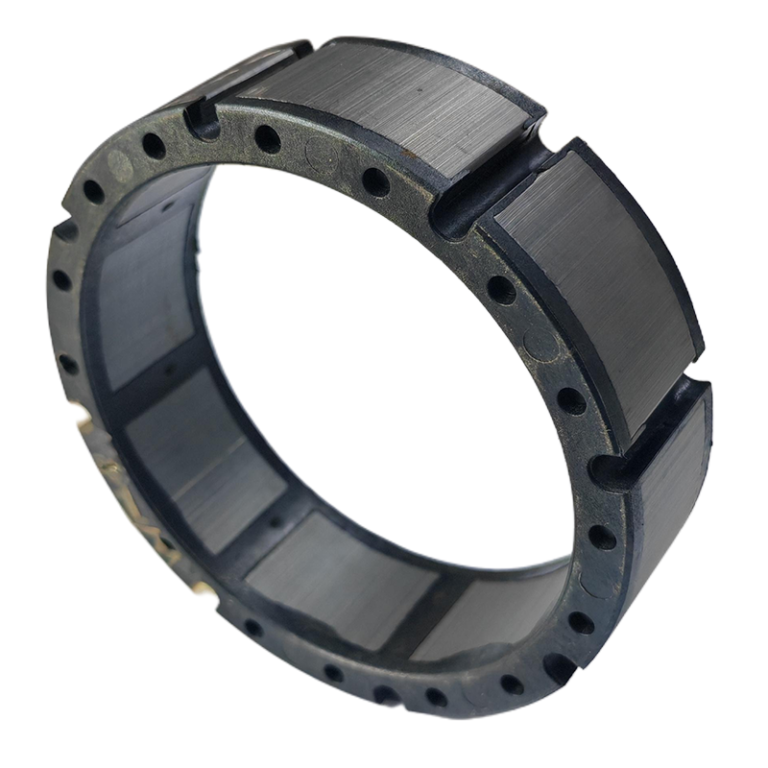
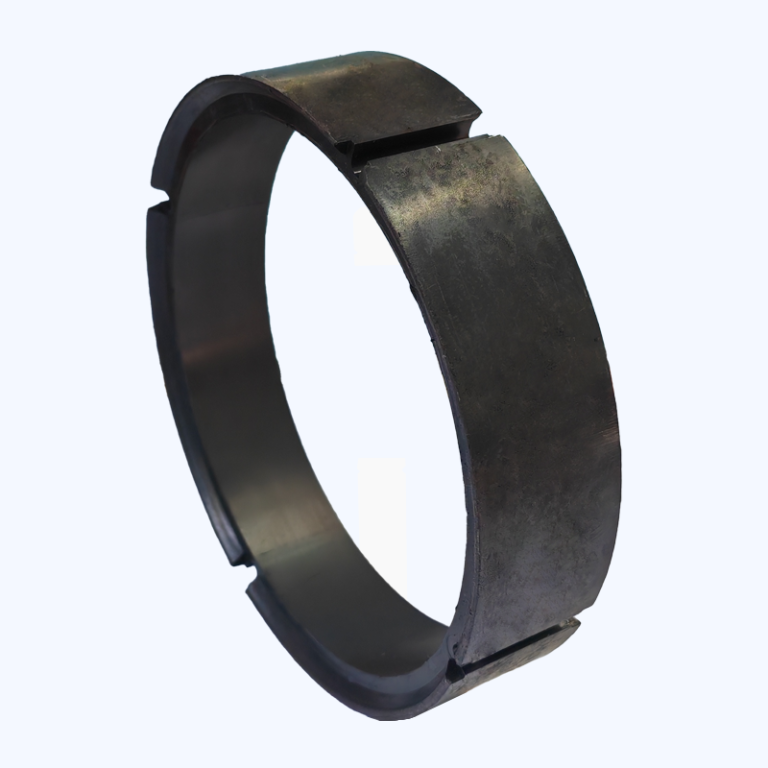
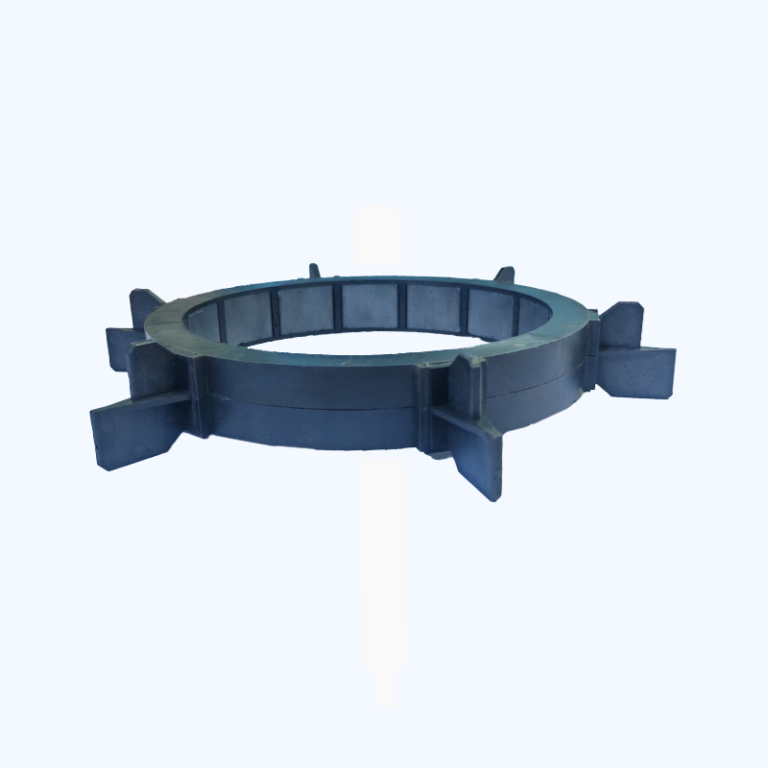
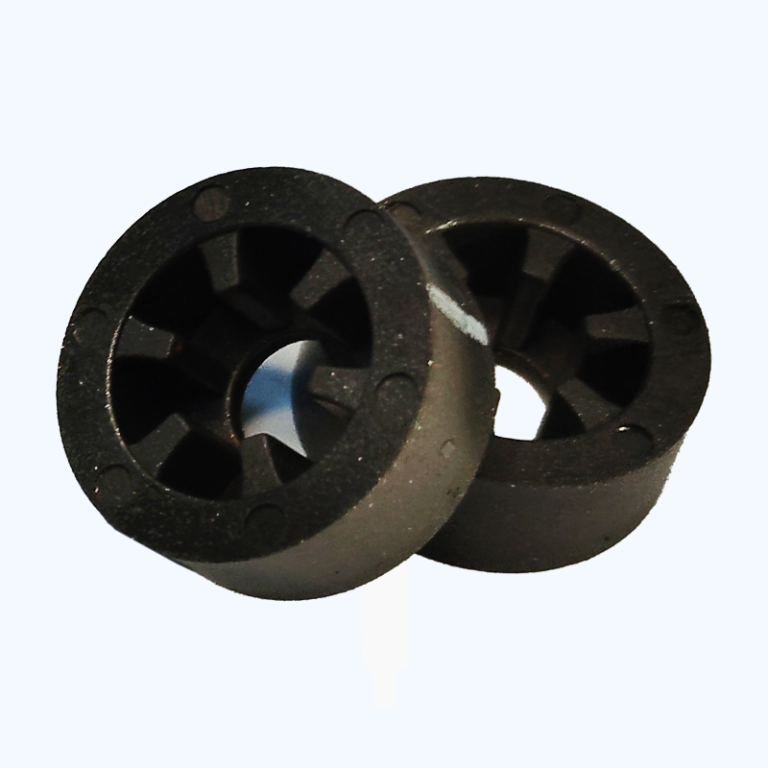
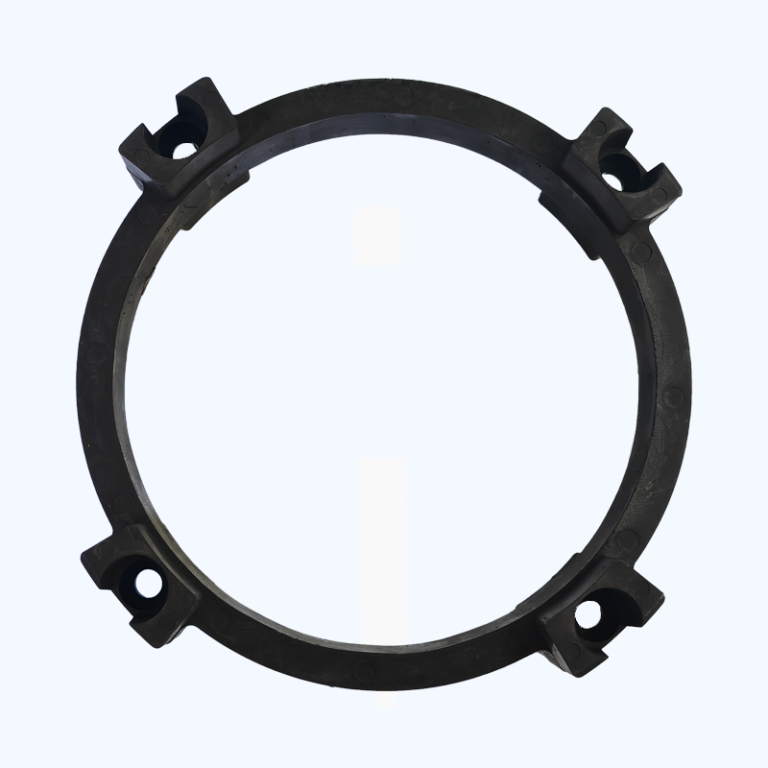
Introduction As energy-efficient appliances become more common, variable frequency fan motors are increasingly used in air conditioners, ventilation systems and household appliances. These motors require components that deliver reliable performance, precise operation and long service life. Among the different magnetic solutions available, Injection Molded Magnetic Rings have become the preferred choice for many manufacturers. Their ability to combine high dimensional accuracy with integrated rotor construction makes them particularly suitable for modern permanent magnet motors. This article explains why this technology is widely adopted in variable frequency fan motors and how it helps improve manufacturing efficiency and product reliability. What Are Injection Molded Magnetic Rings? Injection molded magnetic rings are permanent magnetic components manufactured by mixing magnetic powder with thermoplastic resin and forming the material through an injection molding process. Unlike traditional compression-molded products, this process allows complex magnetic structures to be produced in a single operation. It also makes it possible to integrate the magnetic ring directly with other motor components, reducing assembly steps and improving production consistency. Because of these advantages, they are widely used in compact motors for household appliances, automotive systems and industrial equipment. Why Variable Frequency Fan Motors Prefer Injection Molded Magnetic Rings Variable frequency fan

Injection Molded Magnets

Injection Molded Magnets: Advantages, Manufacturing Process and Applications

Introduction Magnetic components are essential parts of modern motors, sensors and electronic devices. Although small in size, these components play a critical role in improving efficiency, reliability and performance across many industries. Among various permanent magnet technologies, injection molded magnets and bonded magnets are widely used because they provide greater design flexibility compared with traditional sintered magnets. Both technologies are based on combining magnetic powders with binding materials, but their manufacturing processes and application advantages are different. Bonded magnets represent a broader category of magnetic materials, while injection molded magnets are a specific type produced through injection molding technology. This article explains the differences, manufacturing process and key advantages of injection molded magnetic components. What Are Bonded Magnets? Bonded magnets are composite magnetic materials manufactured by combining magnetic powders with organic binders. The magnetic powders may include: Ferrite Neodymium iron boron (NdFeB) Samarium cobalt Other permanent magnetic materials The binder system allows magnetic powders to be processed using different forming technologies, including: Compression molding Extrusion molding Injection molding Compared with traditional sintered magnets, bonded magnetic materials were developed to overcome limitations related to brittleness, machining difficulty and complex shape production. Why Were Bonded Magnets Developed? Traditional sintered magnets provide excellent

Injection-Molded Magnetic Rings

What Types of Motors Use Injection-Molded Magnetic Rings and Bonded Magnetic Rings?

Introduction Selecting the right magnetic ring is an important step in motor design. Different motor applications require different combinations of magnetic performance, structural strength and manufacturing efficiency. Two common solutions are injection-molded magnetic rings and bonded magnetic rings. Although both belong to the bonded magnet family, each has unique advantages that make it suitable for specific motor designs. In general, injection-molded magnetic rings are preferred for applications that require complex structures and integrated assemblies, while bonded magnetic rings are often selected when stronger magnetic output and higher torque are the primary goals. This article explains how these two magnetic ring technologies differ and where they are commonly used. Understanding the Two Types of Magnetic Rings What Are Injection-Molded Magnetic Rings? Injection-molded magnetic rings are produced by combining magnetic powder with thermoplastic materials and forming the mixture through an injection molding process. This technology makes it possible to manufacture complex shapes with high dimensional accuracy while integrating the magnetic ring directly with other motor components. The ability to combine the magnetic ring with shafts or plastic parts during molding helps simplify assembly and improve product consistency. What Are Bonded Magnetic Rings? Bonded magnetic rings are typically manufactured by compression molding magnetic

Injection Molded Magnets

Injection Molded Magnets vs Bonded Magnets: Mechanical Properties Comparison

Choosing suitable magnetic materials is essential for improving motor efficiency, reliability, and production performance. In modern electric motors, bonded magnetic materials have become an important alternative to traditional sintered magnets due to their flexible manufacturing processes and excellent design adaptability. Among these solutions, injection molded magnets and compression bonded magnets are commonly used in automotive, industrial, consumer electronics, and precision motor applications. Although both belong to bonded magnetic materials, their mechanical strength, thermal behavior, magnetization capability, and manufacturing advantages are different. Mechanical Strength and Reliability of Different Magnet Types Motors operate under complex conditions, including high-speed rotation, vibration, repeated loading, and temperature fluctuations. Therefore, the mechanical performance of magnetic components directly affects operational reliability and service life. Toughness Performance of Injection Molded Magnets Injection molded magnets use thermoplastic resin as the bonding matrix. Common materials include PA6, PA12, and PPS. The plastic matrix provides excellent toughness and impact resistance. When the motor experiences vibration or mechanical shock, the resin structure can absorb part of the external energy and reduce the possibility of cracking. Compared with harder magnetic materials, this type of magnet offers advantages such as: Better impact resistance Flexible structural design Lightweight construction Integration with metal inserts during molding

Injection Molded Magnets

Injection Molded Magnets vs Bonded Magnets: Differences and Applications in Motor Design

Introduction Permanent magnets are essential components in modern motor systems, directly affecting efficiency, torque output, reliability and operating performance. Among various bonded magnetic materials, injection molded magnets and compression bonded magnets are widely used in automotive, industrial equipment, household appliances and electronic applications. Although both solutions belong to the bonded magnet category, their manufacturing processes, material structures and design capabilities create significant differences in practical applications. Choosing the right magnetic material depends on factors such as required magnetic strength, structural complexity, production volume and overall cost efficiency. This article explains the differences between these two magnet technologies, including magnetic performance, manufacturing processes, structural integration capabilities and suitable motor applications. What Are Injection Molded Magnets? Injection molded magnets are composite permanent magnets produced through an injection molding process. During manufacturing, magnetic powders are combined with thermoplastic binders and processed under controlled heating conditions. The material is then injected into customized molds to create precise magnetic components with complex geometries. Unlike traditional manufacturing methods, this process allows magnets to be directly integrated with other parts, improving assembly efficiency and product consistency. Manufacturing Process of Injection Molded Magnets The production process generally includes: Preparation of magnetic powder materials Mixing magnetic powder with polymer

radial multipole magnet rings

9 Core Advantages of Radial Multipole Magnet Rings & Full Industrial Application Guide

What Are Radial Multipole Magnet Rings: Core Definition & Magnetic Mechanism Fundamental Structure of Radial Multipole Magnet Rings Radial multipole magnet rings are annular permanent magnetic components with alternating N and S poles distributed evenly along the radial direction of the ring inner or outer circumference, which is the core feature separating them from axial magnetized rings. Unlike axial variants whose magnetic flux runs parallel to the ring central axis, this special magnet structure generates field lines radiating perpendicularly outward or inward from the ring center, forming symmetrical, periodic radial magnetic waveforms around the ring body. A complete magnet ring of this style consists of three core parts: magnetic composite substrate (ferrite/NdFeB magnetic powder mixed with thermoplastic resin), integrated structural inserts (metal shafts, positioning sleeves for motor assembly), and uniform multi-pole magnetic domains formed by oriented injection molding and post multi-pole magnetization. Our factory’s annular radial magnetic products support customizable pole counts ranging from 2 poles up to 48 poles, matching different rotation speed and angle detection demands of brushless DC motors and magnetic encoders. How This Magnet Ring Style Forms Stable Radial Magnetic Fields The manufacturing orientation process determines the magnetic field quality of radial multipole magnet rings. During

multipolar magnets sale​

10 Key Advantages of Professional Multipolar Magnets Sale & Custom Manufacturing Solutions

Core Definition & Market Demand Behind Multipolar Magnets Sale Multipolar magnets refer to permanent magnetic components magnetized with multiple alternating north-south pole pairs on a single substrate, including radial multipole rings, axial multipole discs, injection molded multipole rotors and sintered multipole ferrite assemblies. The global multipolar magnets sale market maintains steady annual growth above 16% due to the rapid expansion of brushless DC motors, automotive electronic sensors, industrial encoders and household energy-saving equipment. As a core component that directly determines motor efficiency and sensor positioning accuracy, qualified multipole magnets cannot be replaced by ordinary two-pole magnets in high-precision industrial scenarios, which creates continuous long-term demand for standardized and customized multipolar magnets sale services worldwide. Zhongshan High Kos Electronics Technology Co., Ltd. has focused on multipolar magnets sale and customized development since 2007, covering injection plastic magnetic and sintered magnetic two major production lines, with a 10,000㎡ standardized factory supporting mass production of multipole magnets of different pole counts (4 poles to 256 poles) and materials (ferrite, bonded NdFeB, sintered NdFeB). Our multipolar magnets sale system integrates one-stop services including mold development, injection molding, precision machining, full-automatic multi-pole charging, aging testing and finished product packaging, solving the pain points of scattered

Single-Pole Absolute Encoder

5 Excellent Core Features of Single-Pole Absolute Encoder: Principle & Applications

  A single-pole absolute encoder is a high-reliability magnetic angle sensing device designed for rotational position monitoring. Equipped with a single north-south magnetic pole pair and high-precision Hall sensor ICs, this encoder delivers real-time absolute angle positioning without pre-operation homing. It perfectly integrates the anti-interference durability of magnetic encoders and the instant positioning advantage of absolute encoders, becoming a cost-effective sensing solution for industrial automation, intelligent equipment and automotive electronic systems. Compared with incremental encoders and high-end optical encoders, it balances structural simplicity, operational efficiency and environmental adaptability, covering most medium-precision industrial positioning scenarios. Working Principle of Single-Pole Absolute Encoder The single-pole absolute encoder adopts an ultra-simple two-component structural design, eliminating complex mechanical coding discs and optical lens groups used in traditional optical encoders. Its core configuration includes a radially magnetized single-pole magnet and a dedicated magnetic sensor IC, achieving non-contact angle detection with long service life and low wear. You can learn more about magnetic encoder basic principles fromTI official magnetic sensing technical documentation. 1. Core Structural Components The first key component is the single-pole pair magnet, which is manufactured in ring or disc shape with uniform radial magnetization. It only generates one complete north-south magnetic field cycle, ensuring

Single-Pole Absolute Encoder

3 Core Principles: How a Single-Pole Absolute Encoder Achieves Absolute Angular Positioning

Most traditional magnetic absolute encoders rely on multi-pole magnetic arrays or multi-track coding structures to distinguish rotational angles and realize absolute positioning, which increases equipment volume, cost, and circuit complexity. Different from conventional multi-pole encoders, the single-pole absolute encoder adopts an ultra-simplified st ructural design with only one N/S pole pair and a high-precision magnetic sensor chip, which can stably output 0°–360° full-range absolute angular position data  in real time. As a high-efficiency precision detection device, the single-pole absolute encoder completely eliminates the need for cumbersome multi-pole calibration and mandatory power-on homing operations, making it widely applied in compact industrial automation equipment, miniature servo motors, and high-precision rotating machinery scenarios. This article elaborates on the unique working mechanism, prominent technical advantages, necessary calibration requirements and core application logic of the single-pole absolute encoder in detail. Unique Working Mechanism of Single-Pole Absolute Encoder The biggest technical difference between a single-pole absolute encoder and ordinary multi-pole absolute encoders is that it abandons the traditional magnetic field strength measurement method and takes magnetic field direction detection as the core positioning logic. For a professionalsingle-pole absolute encoder, a single pole pair can form a complete, independent and non-repeating magnetic field cycle, realizing accurate one-to-one

Single-Pole Absolute Encoder

4 Common Post-Molding Magnetization Modes: Selection Guide 2026

Post-molding magnetization is a mainstream secondary magnetization process for injection molded magnets, which refers to magnetizing finished polymer magnetic parts after injection molding and shaping. Unlike in-mold magnetization that completes magnetization during molding, this independent post-processing magnetization technology features high flexibility, low mold cost, and strong adaptability to diversified product designs. Widely used in new energy vehicle motors, precision sensors, smart home electronic components and industrial automation equipment, post-molding magnetization can customize accurate pole distribution and magnetic field strength according to product magnetic circuit design. To meet different industrial application demands, there are 4 typical post-molding magnetization modes in the industry, and scientific mode selection directly determines the final magnetic performance and service stability of magnetic parts. You can check professional magnetic processing standards via magnet magnetization process specifications. 4 Common Post-Molding Magnetization Field Modes (Principles & Applications) Based on product shape, magnetic circuit layout and terminal application requirements, post-molding magnetization is divided into axial, radial, multi-pole and partial magnetization four core modes, each with unique technical characteristics and applicable scenarios. 1. Axial Magnetization Axial magnetization means the magnetizing magnetic field runs parallel to the central axis of the molded magnet product, with N and S poles evenly distributed on

radial multipole magnet rings

Comprehensive Analysis of Magnetization Methods for Injection-Molded Magnets: Processes, Modes and Applications

Injection-molded magnets are advanced composite functional materials that integrate thermoplastic polymer moldability and stable permanent magnetic properties. They effectively break the shape limitations of traditional sintered magnets, supporting customized complex structural molding while retaining reliable magnetic stability. Thanks to their lightweight, high precision, strong corrosion resistance and low-cost mass production advantages, these magnets are widely deployed in automotive drive motors, smart home appliances, precision sensors, office automation equipment and new energy electronic devices Maglastic. Magnetization is the core and final determining process that endows non-magnetic injection-molded magnet blanks with formal magnetic functionality. Rational selection of injection molded magnet magnetization directly affects key product indicators including magnetic energy product, pole position accuracy, magnetic field uniformity and long-term service life. In modern industrial mass production, injection molded magnet magnetization is divided into two mature technical routes: in-mold magnetization and post-molding (external) magnetization. Combined with the anisotropic and isotropic properties of magnetic raw materials, manufacturers can match targeted magnetization modes to meet diverse industrial application scenarios. Material Adaptability for Injection Molded Magnet Magnetization All mainstream industrial magnetization solutions for injection-molded magnets are categorized into two non-overlapping process systems, each with independent process logic, equipment configuration, precision advantages and applicable production scenarios. The following

radial multipole magnet rings

8 Key Advantages of Multipole Strip Magnet: Customized Solutions for BLDC Motor & Precision Sensor Industry

Fundamental Definition & Core Structure of Multipole Strip Magnet A multipole strip magnet refers to strip-shaped permanent magnetic components magnetized with multiple alternating N and S poles arranged linearly or radially on its surface, different from ordinary two-pole single magnets with simple magnetic field distribution. Unlike conventional discrete magnet tiles assembled by glue, injection molded magnetic strips integrate magnetic powder and engineering plastic via one-time injection molding, forming an integrated strip magnetic structure with evenly distributed multi-pole waveforms. This unique design becomes the core sensing and power transmission component for brushless DC motors, linear encoders, flow sensors and automotive adjustment motors. The basic composition of standard magnetic strips with multi-pole layout includes ferrite or bonded NdFeB magnetic powder, heat-resistant PA plastic substrate, and optional metal insert sleeves for assembly reinforcement. Manufacturers can customize pole numbers (4 poles, 6 poles, 8 poles, 12 poles, up to 60+ poles), pole pitch width, strip thickness, width and length according to customer equipment parameters. Zhongshan Gaokesi Electronics Technology Co., Ltd has 19 years of experience producing injection molded multi-pole magnetic components including this magnetic strip type, visitors can view full product technical parameters via internal link: https://www.zsgaokesi.com/. The factory owns full-process production lines from

Scroll to Top