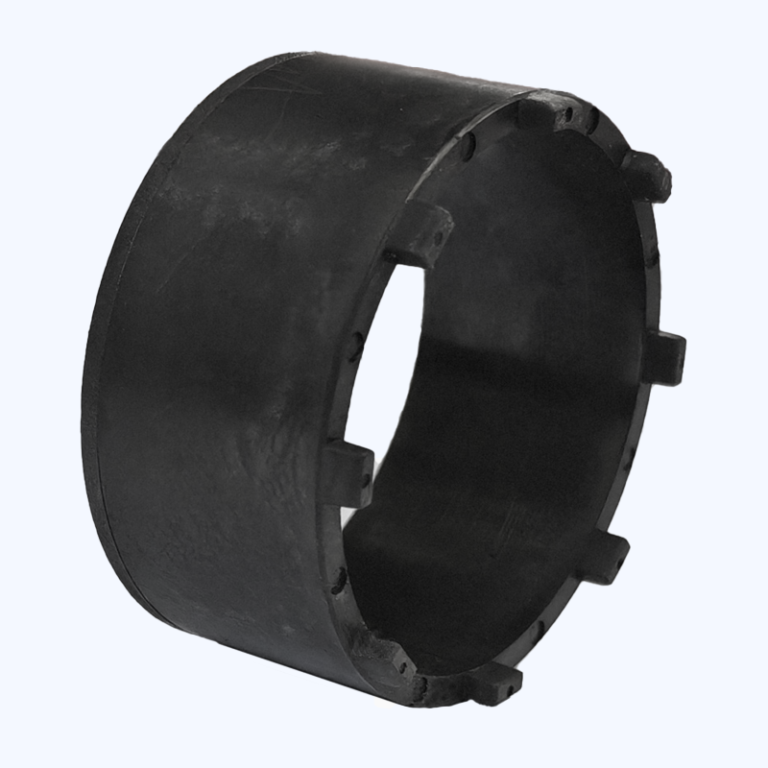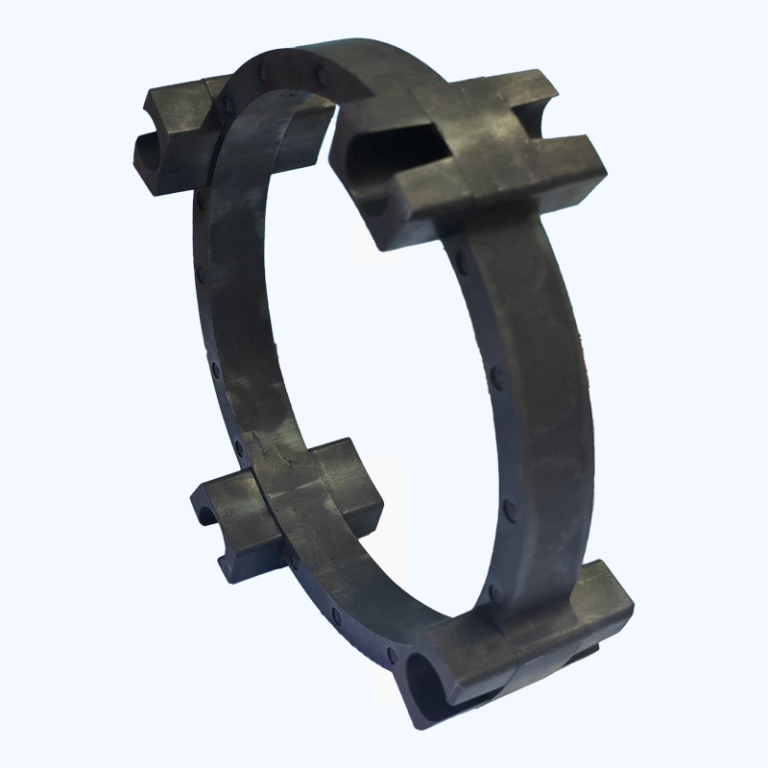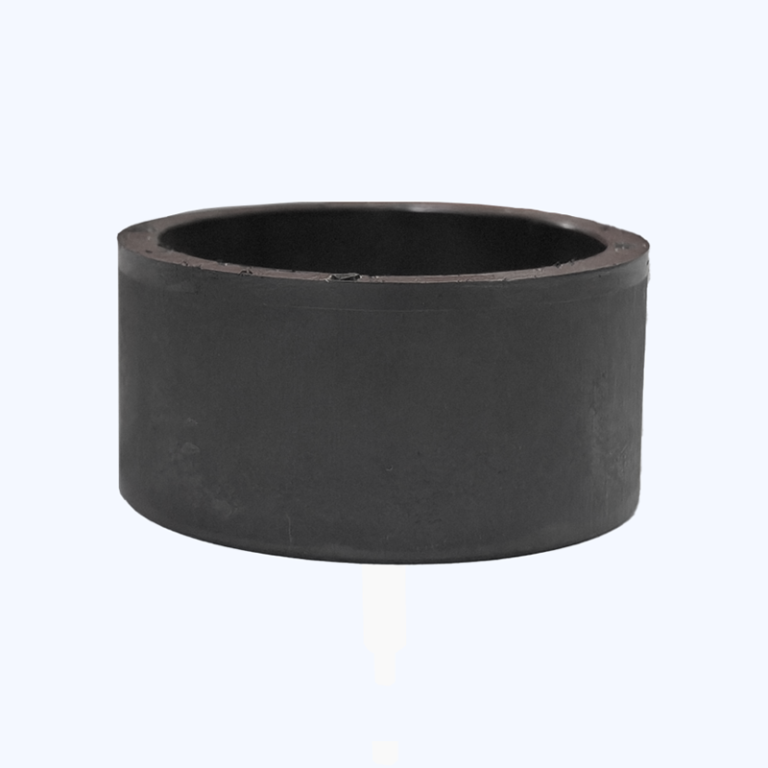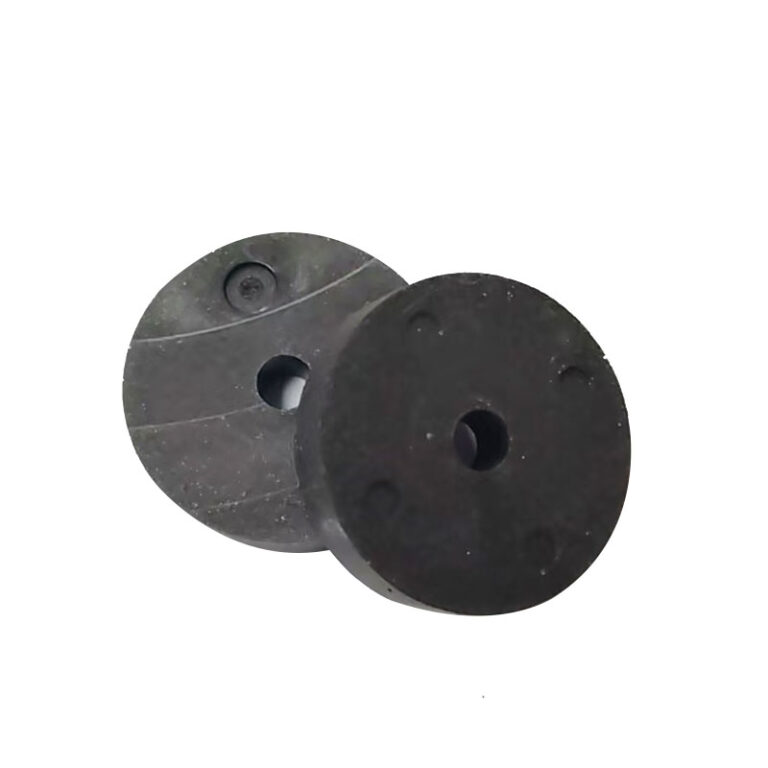
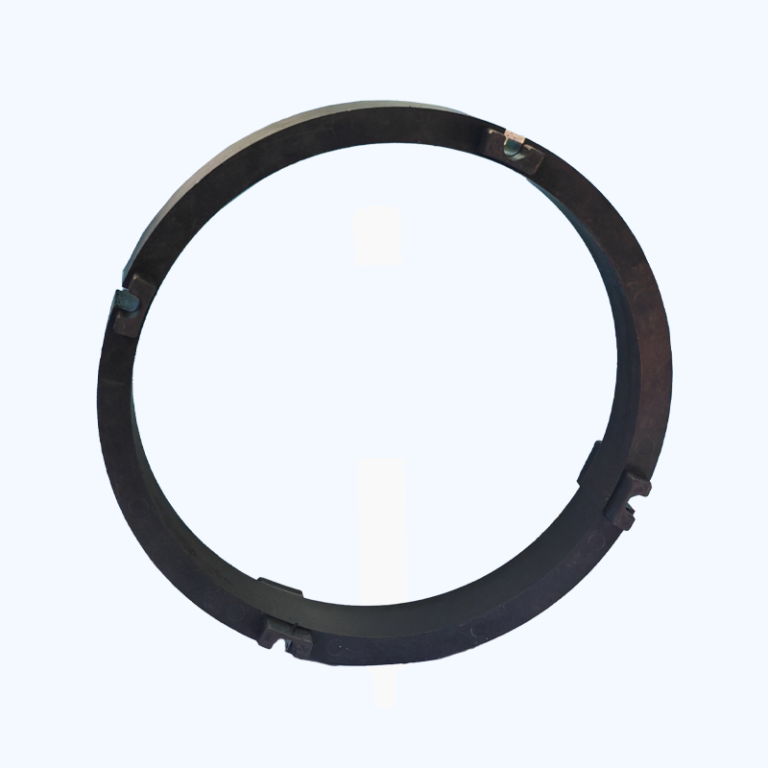
Injection Molded Magnets: Advantages, Manufacturing Process and Applications
Introduction Magnetic components are essential parts of modern motors, sensors and electronic devices. Although small in size, these components play a critical role in improving efficiency, reliability and performance across many industries. Among various permanent magnet technologies, injection molded magnets and bonded magnets are widely used because they provide greater design flexibility compared with traditional sintered magnets. Both technologies are based on combining magnetic powders with binding materials, but their manufacturing processes and application advantages are different. Bonded magnets represent a broader category of magnetic materials, while injection molded magnets are a specific type produced through injection molding technology. This article explains the differences, manufacturing process and key advantages of injection molded magnetic components. What Are Bonded Magnets? Bonded magnets are composite magnetic materials manufactured by combining magnetic powders with organic binders. The magnetic powders may include: Ferrite Neodymium iron boron (NdFeB) Samarium cobalt Other permanent magnetic materials The binder system allows magnetic powders to be processed using different forming technologies, including: Compression molding Extrusion molding Injection molding Compared with traditional sintered magnets, bonded magnetic materials were developed to overcome limitations related to brittleness, machining difficulty and complex shape production. Why Were Bonded Magnets Developed? Traditional sintered magnets provide excellent