
Introduction
As variable frequency motor systems become increasingly common in industrial automation, HVAC equipment, electric vehicles, and household appliances, electromagnetic compatibility (EMC) has become a key consideration in system design. While frequency converters improve motor efficiency and speed control, they also generate high-frequency electromagnetic interference (EMI) that can affect nearby electronic devices.
Ferrite Magnetic Rings are one of the most effective and economical solutions for reducing EMI. Installed on motor power cables, they suppress high-frequency noise, improve system stability, and help equipment meet EMC requirements.
This article explains how ferrite magnetic rings work, their applications in variable frequency motor systems, and how to select the right magnetic ring for demanding EMC environments.
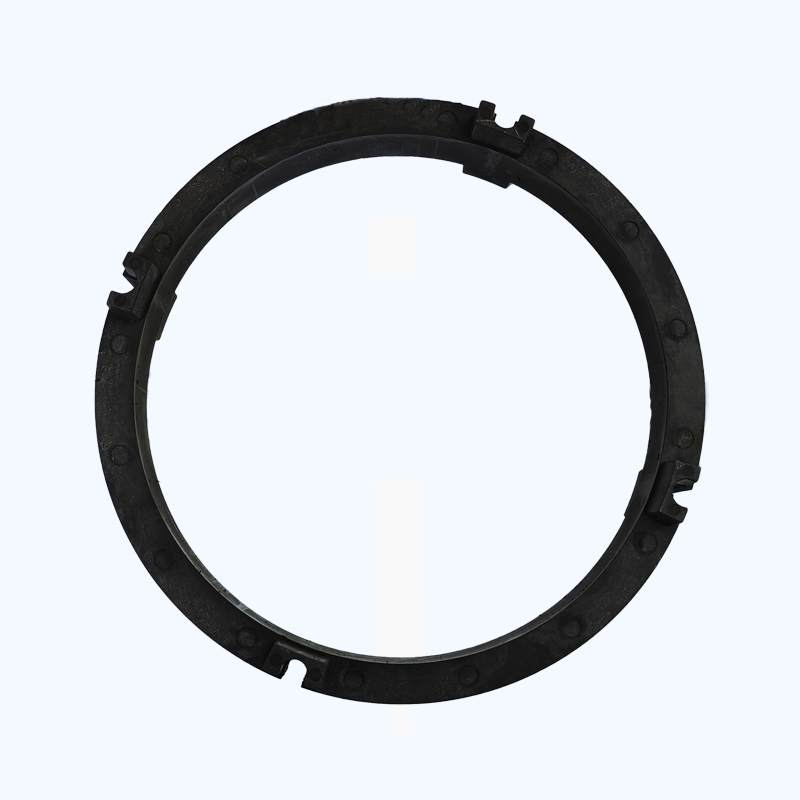
What Are Ferrite Magnetic Rings?
Ferrite magnetic rings are passive magnetic components designed to absorb and suppress high-frequency electromagnetic interference. Unlike permanent magnetic rings used inside motor rotors, ferrite magnetic rings are installed externally on power or signal cables to reduce conducted and radiated noise.
Because they require no external power source and are easy to install, ferrite magnetic rings are widely used in industrial automation, power electronics, communication equipment, and inverter-driven motor systems.
Two Different Applications of Magnetic Rings in Variable Frequency Motor Systems
Although they share the same name, magnetic rings have two completely different applications in variable frequency motor systems.
Ferrite Magnetic Rings for EMI Suppression
The first application is electromagnetic interference suppression. Ferrite magnetic rings are installed around the cables connecting the frequency converter and the motor. Their purpose is to absorb high-frequency common-mode currents and reduce electrical noise before it spreads throughout the system.
Permanent Magnetic Rings for Motor Rotors
The second application is inside permanent magnet motors. These magnetic rings become part of the rotor and generate the magnetic field required for motor operation. Instead of suppressing interference, they provide the excitation needed for torque generation.
Understanding the difference between these two applications helps engineers select the correct magnetic solution for their equipment.
Why Variable Frequency Drives Generate Electromagnetic Interference
Variable frequency drives (VFDs) regulate motor speed by switching power semiconductor devices at high frequencies. During this process, rapid voltage and current changes generate electromagnetic interference.
This high-frequency noise can travel along motor cables and may cause:
- Communication failures
- Sensor signal instability
- Controller malfunction
- Increased electromagnetic emissions
- Reduced system reliability
Without proper EMI suppression, nearby electronic equipment may experience performance issues or fail to meet EMC standards.
How Ferrite Magnetic Rings Suppress EMI
Ferrite magnetic rings provide high impedance to high-frequency common-mode currents while allowing normal power transmission to pass through the cable.
Instead of allowing interference to propagate, the ferrite material absorbs high-frequency energy and converts part of it into heat. This process reduces both conducted and radiated electromagnetic interference.
The main advantages include:
- Effective reduction of high-frequency noise
- Improved electromagnetic compatibility
- Protection for sensitive electronic equipment
- Increased system stability
- Simple installation without circuit redesign
Understanding Ferrite Magnetic Ring Temperature During Operation
The operating temperature of a ferrite magnetic ring provides useful information about its performance.
Slight Temperature Increase
A small increase in surface temperature indicates that the ferrite magnetic ring is working normally by absorbing interference energy.
Significant Temperature Increase
If the magnetic ring becomes noticeably hot, the interference level may be higher than expected or the selected ferrite magnetic ring may not have sufficient suppression capacity.
Possible solutions include:
- Installing additional ferrite magnetic rings
- Choosing a larger magnetic ring
- Increasing the magnetic cross-sectional area
- Optimizing cable routing
No Temperature Increase
If the ferrite magnetic ring remains completely cool, it may not be suppressing interference effectively.
Possible reasons include:
- Incorrect ferrite material selection
- Frequency mismatch
- Improper cable installation
- Incorrect wiring configuration
Checking both installation methods and magnetic material specifications can usually resolve the issue.
How to Select Ferrite Magnetic Rings for High-Performance EMC Applications
Choosing the correct ferrite magnetic ring requires evaluating more than cable size alone. Several design factors influence suppression performance.
Match the Cable Diameter
The inner diameter of the ferrite magnetic ring should closely match the outer diameter of the cable. A proper fit improves suppression efficiency while making installation easier.
Select the Appropriate Ring Size
The outer diameter and cross-sectional area affect the ring’s ability to absorb electromagnetic interference. Larger ferrite magnetic rings generally provide higher impedance over a wider frequency range.
Consider the Target Frequency
Different ferrite materials are designed for different frequency ranges. Selecting the appropriate material helps maximize suppression performance.
Verify Impedance Performance
For applications with strict EMC requirements, engineers should verify that the impedance characteristics of the ferrite magnetic ring meet the required attenuation across the target frequency band before mass production.
Typical Applications of Ferrite Magnetic Rings
Ferrite magnetic rings are widely used in many industries where electromagnetic interference must be controlled.
Variable Frequency Drives
Industrial motors and automation equipment commonly use ferrite magnetic rings to reduce inverter-generated electrical noise.
Electric Vehicle Systems
Electric drive systems, onboard chargers and high-voltage electronics rely on ferrite magnetic rings to improve EMC performance and protect sensitive control circuits.
Industrial Automation Equipment
Servo motors, PLC control systems and industrial communication equipment benefit from improved signal stability and reduced electromagnetic interference.
Household Appliances
Variable frequency air conditioners, washing machines, refrigerators and inverter-driven fans commonly use ferrite magnetic rings to improve reliability and reduce electrical noise.
Communication Equipment
Power supplies, communication devices and networking equipment also use ferrite magnetic rings to minimize conducted interference and ensure stable signal transmission.
Why Choose Highkos for Ferrite Magnetic Ring Solutions?
Highkos specializes in manufacturing customized magnetic components for industrial, automotive and consumer applications.
Our product range includes:
- Ferrite magnetic rings
- Injection molded magnetic components
- Permanent magnet rotor solutions
- Custom magnetic assemblies
- OEM and ODM manufacturing services
With advanced production technology and experienced engineering support, Highkos provides reliable magnetic solutions for customers worldwide.
Frequently Asked Questions
What are ferrite magnetic rings used for?
Ferrite magnetic rings are used to suppress high-frequency electromagnetic interference on power cables and signal cables in electronic and electrical systems.
Where should ferrite magnetic rings be installed?
They are typically installed on the cables between the frequency converter and the motor or on communication cables requiring EMI suppression.
Why does a ferrite magnetic ring become warm?
A slight temperature increase is normal because the ferrite material converts part of the interference energy into heat. Excessive heating may indicate stronger interference or an undersized magnetic ring.
How do I choose the correct ferrite magnetic ring?
Selection should consider cable diameter, magnetic ring dimensions, operating frequency, impedance characteristics and the required EMC performance of the application.