Injection Molded Magnets vs Bonded Magnets: Differences and Applications in Motor Design
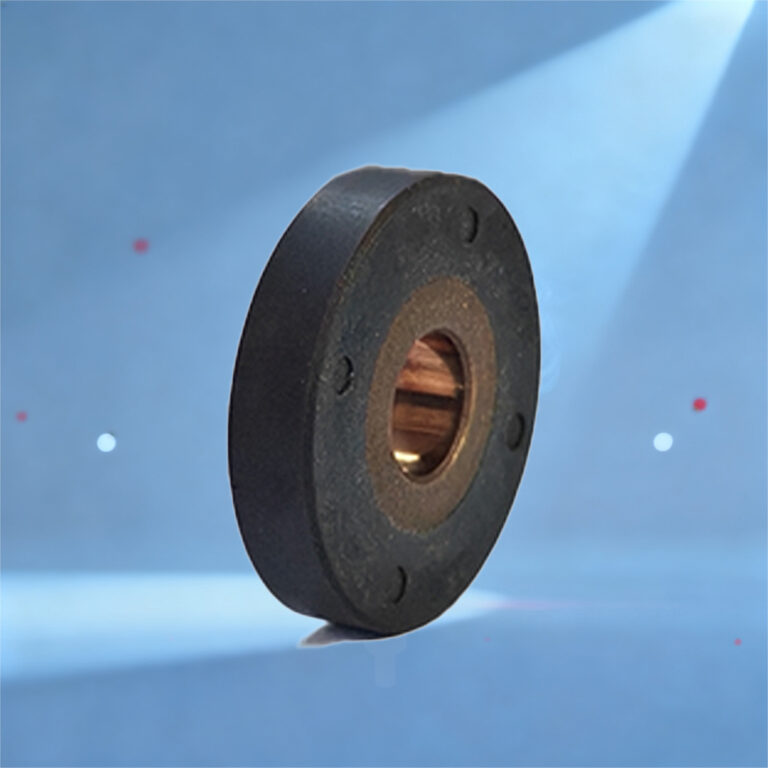
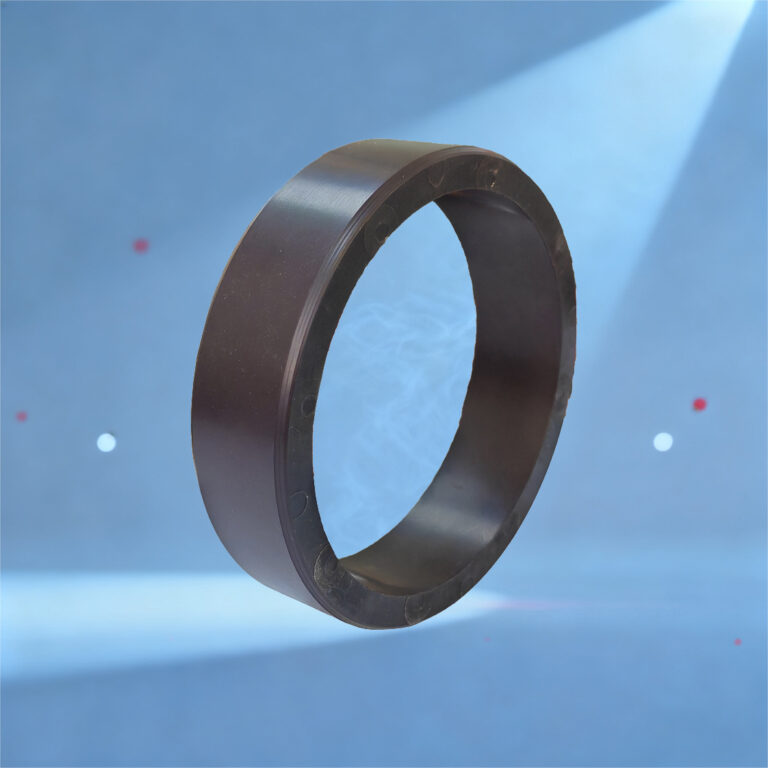
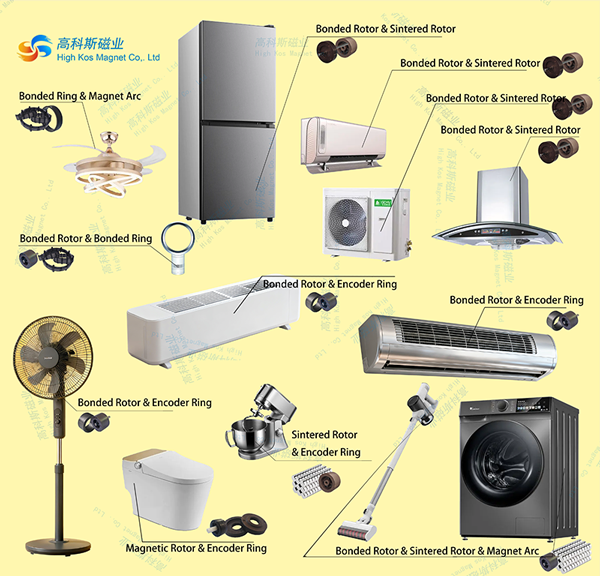
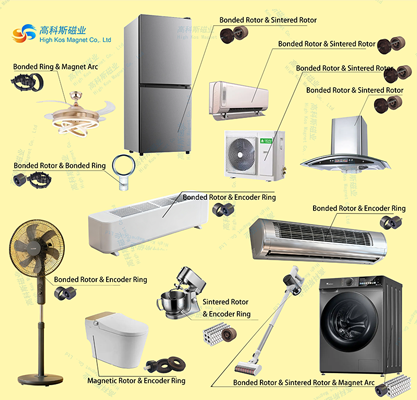
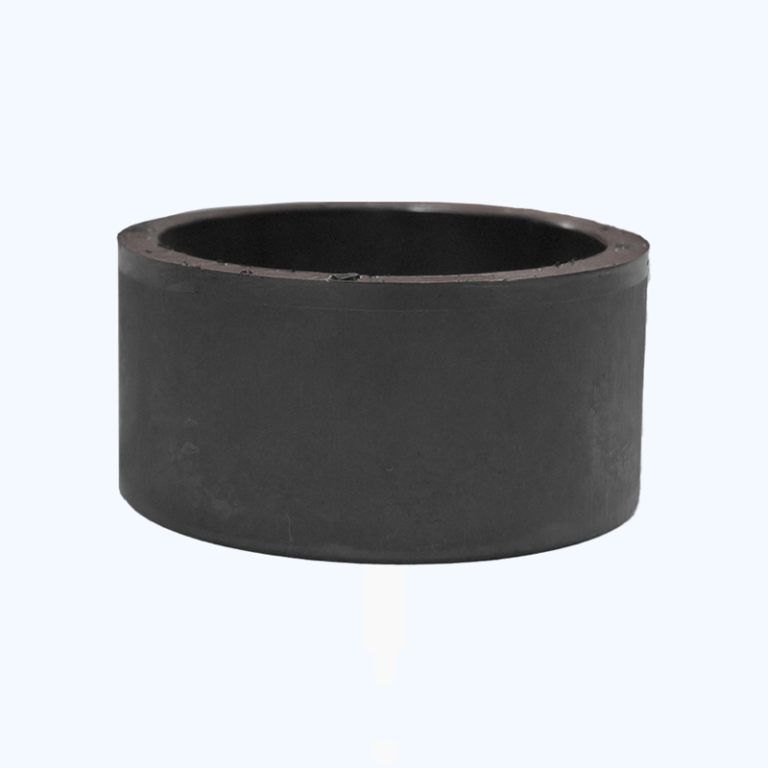
Introduction Permanent magnets are essential components in modern motor systems, directly affecting efficiency, torque output, reliability and operating performance. Among various bonded magnetic materials, injection molded magnets and compression bonded magnets are widely used in automotive, industrial equipment, household appliances and electronic applications. Although both solutions belong to the bonded magnet category, their manufacturing processes, material structures and design capabilities create significant differences in practical applications. Choosing the right magnetic material depends on factors such as required magnetic strength, structural complexity, production volume and overall cost efficiency. This article explains the differences between these two magnet technologies, including magnetic performance, manufacturing processes, structural integration capabilities and suitable motor applications. What Are Injection Molded Magnets? Injection molded magnets are composite permanent magnets produced through an injection molding process. During manufacturing, magnetic powders are combined with thermoplastic binders and processed under controlled heating conditions. The material is then injected into customized molds to create precise magnetic components with complex geometries. Unlike traditional manufacturing methods, this process allows magnets to be directly integrated with other parts, improving assembly efficiency and product consistency. Manufacturing Process of Injection Molded Magnets The production process generally includes: Preparation of magnetic powder materials Mixing magnetic powder with polymer