
Introduction
Magnetic components are essential parts of modern motors, sensors and electronic devices. Although small in size, these components play a critical role in improving efficiency, reliability and performance across many industries.
Among various permanent magnet technologies, injection molded magnets and bonded magnets are widely used because they provide greater design flexibility compared with traditional sintered magnets.
Both technologies are based on combining magnetic powders with binding materials, but their manufacturing processes and application advantages are different.
Bonded magnets represent a broader category of magnetic materials, while injection molded magnets are a specific type produced through injection molding technology.
This article explains the differences, manufacturing process and key advantages of injection molded magnetic components.
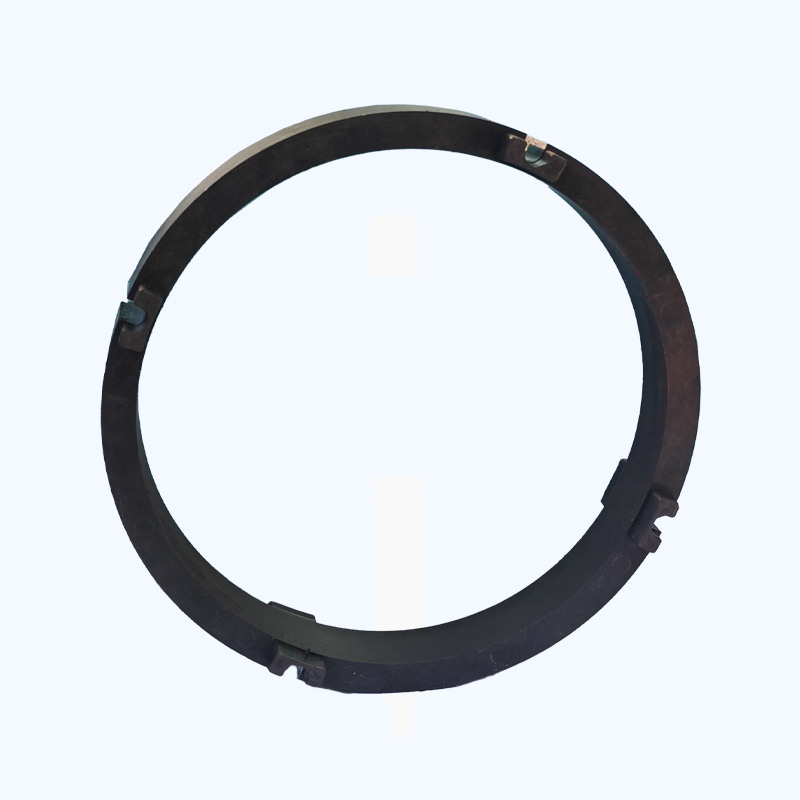
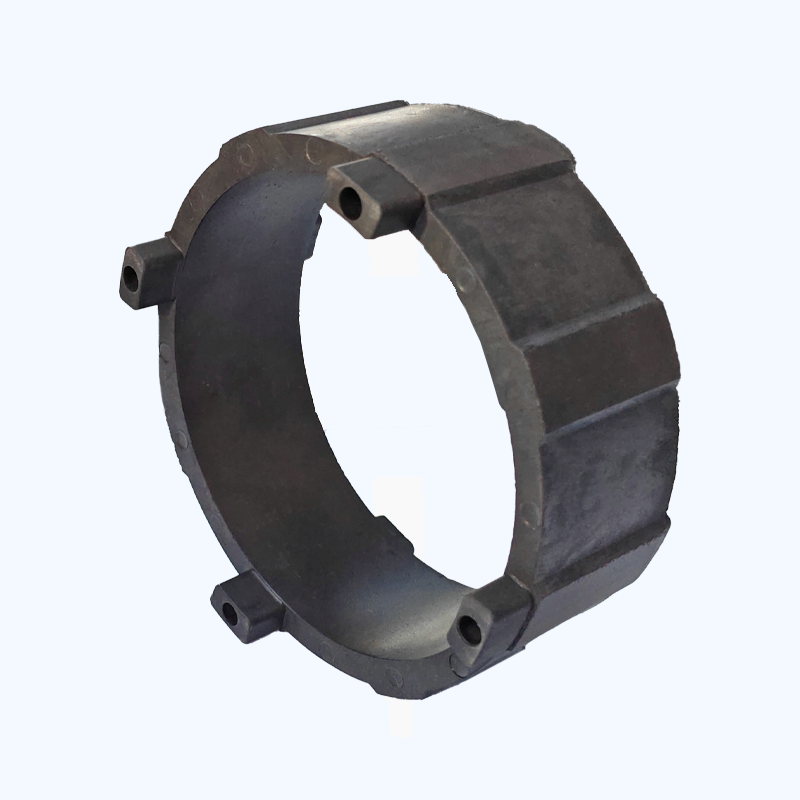
What Are Bonded Magnets?
Bonded magnets are composite magnetic materials manufactured by combining magnetic powders with organic binders.
The magnetic powders may include:
- Ferrite
- Neodymium iron boron (NdFeB)
- Samarium cobalt
- Other permanent magnetic materials
The binder system allows magnetic powders to be processed using different forming technologies, including:
- Compression molding
- Extrusion molding
- Injection molding
Compared with traditional sintered magnets, bonded magnetic materials were developed to overcome limitations related to brittleness, machining difficulty and complex shape production.
Why Were Bonded Magnets Developed?
Traditional sintered magnets provide excellent magnetic strength, but they also have several limitations.
Common challenges include:
- High brittleness
- Limited shape flexibility
- Difficult machining process
- Higher risk of cracking during processing
For applications requiring thin walls, complex structures or integrated components, these limitations can increase manufacturing difficulty.
Bonded magnets solve these problems by introducing polymer binders into magnetic materials.
The binder improves:
- Material flexibility
- Impact resistance
- Processing capability
- Design freedom
What Are Injection Molded Magnets?
Injection molded magnets are a specialized type of bonded magnetic material produced through an injection molding process.
During manufacturing, magnetic powder is mixed with thermoplastic resin and processed into pellets. These pellets are heated and melted inside an injection molding machine before being injected into customized molds.
The molding process creates precise magnetic components in a single production step.
Manufacturing Process of Injection Molded Magnets
The typical production process includes several stages:
Magnetic Material Preparation
Magnetic powders are selected according to required performance, including ferrite or rare earth magnetic materials.
The powder is then blended with polymer materials to achieve the desired flow characteristics.
Compounding and Pelletizing
The magnetic compound is processed into uniform pellets suitable for injection molding equipment.
This step ensures stable material performance during mass production.
Injection Molding
The heated material is injected into customized molds under controlled pressure.
This allows manufacturers to create:
- Magnetic rings
- Rotors
- Sensor components
- Complex magnetic assemblies
Quality Inspection
Finished components are tested for:
- Dimensional accuracy
- Magnetic performance
- Mechanical strength
- Surface quality
Key Advantages of Injection Molded Magnets
Precision Manufacturing for Complex Geometries
One of the biggest advantages of injection molding technology is its ability to produce complex magnetic structures that are difficult to achieve with traditional methods.
The process supports:
- Thin-wall magnetic rings
- Multi-pole magnet designs
- Customized rotor structures
- Integrated magnetic assemblies
In many applications, magnetic components can be directly molded with:
- Metal shafts
- Plastic frames
- Mechanical inserts
This eliminates additional assembly procedures and improves production efficiency.
High Dimensional Accuracy and Product Consistency
Injection molding provides excellent dimensional control during mass production.
Compared with traditional machining processes, it offers:
- Stable product dimensions
- Repeatable manufacturing quality
- Reduced production variation
For precision motors and sensor applications, accurate component dimensions are important for improving operational stability.
Better Mechanical Strength and Durability
The polymer matrix inside injection molded components improves mechanical toughness.
Compared with brittle sintered magnets, injection molded products provide:
- Better impact resistance
- Lower cracking risk
- Improved handling durability
These characteristics make them suitable for applications where mechanical reliability is important.
Applications of Injection Molded Magnets
Due to their flexibility and manufacturing advantages, injection molded magnetic components are widely used across multiple industries.
Motor Applications
Common motor applications include:
- BLDC motors
- Small electric motors
- Fan motors
- Water pump motors
- Automotive actuators
The ability to integrate magnetic components with rotor structures makes them especially valuable for compact motor designs.
Automotive Applications
Modern vehicles contain many small motors and sensors requiring reliable magnetic components.
Typical applications include:
- Window lift motors
- Seat adjustment motors
- Cooling fan motors
- Electric pumps
Injection molding helps automotive manufacturers achieve stable quality in high-volume production.
Home Appliance Applications
Household appliances also benefit from compact and efficient motor designs.
Applications include:
- Inverter air conditioners
- Washing machines
- Vacuum cleaners
- Kitchen appliances
The combination of precision molding and cost efficiency makes these materials suitable for large-scale consumer product manufacturing.
Injection Molded Magnets vs Traditional Sintered Magnets
Design Flexibility
Sintered magnets are often limited by their brittle characteristics.
Injection molded products allow:
- More complex shapes
- Integrated structures
- Customized designs
Manufacturing Efficiency
Injection molding reduces secondary processing requirements.
Advantages include:
- Fewer assembly steps
- Lower machining requirements
- Higher production efficiency
Mechanical Reliability
The polymer binder improves resistance against impact and mechanical stress.
This makes injection molded solutions suitable for applications involving vibration or frequent movement.
How to Select the Right Magnetic Solution?
Choosing the correct magnetic material depends on several factors:
Application Requirements
Consider:
- Required magnetic strength
- Operating environment
- Structural design
- Production volume
Manufacturing Considerations
Injection molded solutions are suitable when:
- Complex shapes are required
- Integrated assembly is preferred
- High-volume production is needed
Other bonded magnet technologies may be selected when higher magnetic output is the primary requirement.
Why Choose Highkos for Injection Molded Magnetic Components?
Highkos specializes in the development and manufacturing of customized magnetic components for motors, sensors and industrial applications.
Our capabilities include:
- Injection molded ferrite magnets
- Custom magnetic rings
- Motor magnetic components
- OEM and ODM manufacturing
- Precision molding solutions
With professional engineering support and production experience, Highkos helps customers develop reliable magnetic solutions for different applications.
Frequently Asked Questions
What are injection molded magnets used for?
They are widely used in motors, sensors, automotive components, household appliances and industrial equipment.
Are injection molded magnets stronger than sintered magnets?
Sintered magnets usually provide higher magnetic strength, while injection molded products offer better design flexibility, durability and manufacturing efficiency.
Can injection molded magnetic components be customized?
Yes. Shape, size, magnetic orientation and assembly structure can be customized according to application requirements.
What materials are used in injection molded magnets?
Common materials include ferrite magnetic powder, NdFeB magnetic powder and thermoplastic binders.