How to Reduce Demagnetization Risk in Permanent Magnets
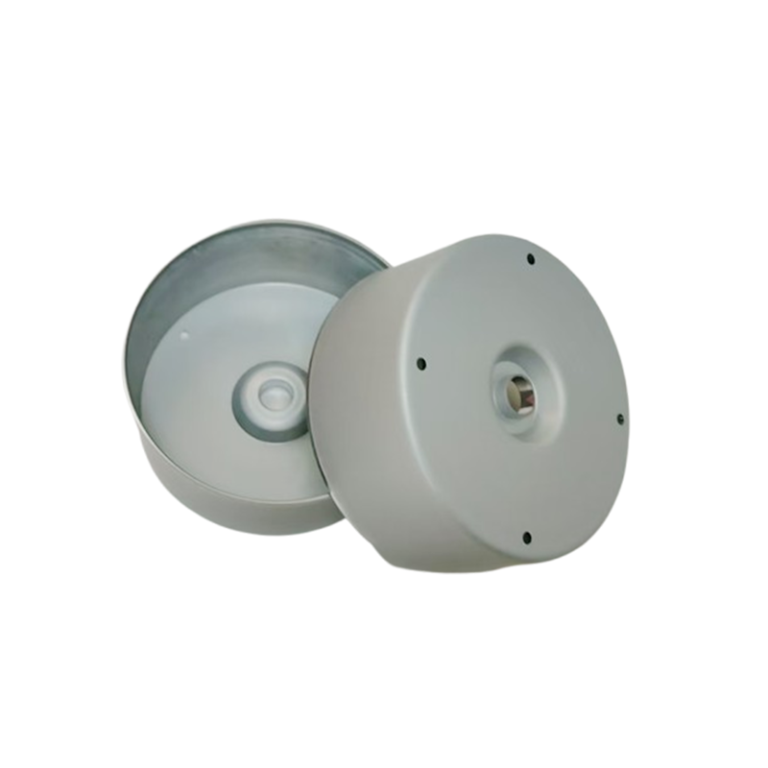
Permanent magnets are widely used in motors, sensors, and industrial systems where consistent magnetic performance is essential. One of the key engineering challenges is how to reduce demagnetization risk while maintaining efficiency and long-term reliability. When a magnet loses its strength, it can lead to reduced output, system instability, and increased maintenance costs. Understanding the factors that influence magnetic performance helps engineers design more stable and durable products. For more technical resources, visit https://www.highkos.com/ Reduce Demagnetization Risk by Optimizing Magnet Shape Magnet geometry has a direct impact on internal magnetic behavior. To reduce demagnetization risk, designers often choose shapes with a higher length-to-diameter ratio. Elongated magnets distribute magnetic flux more evenly, while short or flat shapes tend to concentrate magnetic poles, increasing internal reverse fields. By optimizing the structure, it is possible to improve performance without increasing material costs. Reduce Demagnetization Risk with Closed Magnetic Circuits Closed magnetic circuits are commonly used to improve magnetic efficiency and stability. This approach helps guide magnetic flux through soft magnetic materials, reducing leakage and minimizing exposure to external conditions. Such designs are widely applied in motors and sensors because they help maintain consistent output under varying loads. This is an effective way to