NEWS

how to make a fan spin with magnets

How to Make a Fan Spin with Magnets: Understanding the Basics

Understanding How to Make a Fan Spin with Magnets The concept of how to make a fan spin with magnets is based on the interaction between magnetic fields and electrical currents. This principle is widely used in modern brushless motors, where magnets and electromagnetic coils work together to generate rotational motion. Many engineers and hobbyists explore how to make a fan spin with magnets to create efficient, low-noise, and durable motor systems. This method eliminates the need for direct mechanical contact, improving both performance and lifespan. For more professional solutions, visit https://www.highkos.com/. Basic Principles Behind Magnet-Driven Fans Magnetic Field Interaction To understand how to make a fan spin with magnets, it is essential to learn how magnetic fields interact. When current flows through coils, it generates an electromagnetic field. This field interacts with permanent magnets, creating attraction and repulsion forces that produce torque. Role of Permanent Magnets Permanent magnets, such as ferrite or neodymium, are key components in this system. They provide a stable magnetic field that enables continuous rotation. Choosing the right material is important when learning how to make a fan spin with magnets, as it directly affects efficiency and performance. Brushless Motor Mechanism In brushless motors, electronic

ceiling fan magnets

Ceiling Fan Magnets: Key Components for Efficient Motor Performance

What Are Ceiling Fan Magnets Ceiling fan magnets are essential components used in modern fan motors, especially in DC brushless systems. These magnets are typically mounted in the rotor and interact with the stator’s electromagnetic field to generate motion. Their quality directly influences efficiency, noise level, and overall lifespan. With the increasing demand for energy-efficient appliances, these components are playing a more important role in both residential and commercial environments. They are widely applied in smart home systems, where consistent performance and reduced energy consumption are critical. For more advanced solutions, visit https://www.highkos.com/. How Ceiling Fan Magnets Work Magnetic Field Interaction These components generate a stable magnetic field that interacts with stator windings. This interaction produces torque, enabling the fan blades to rotate smoothly and efficiently. High-quality materials help maintain stable output, reduce vibration, and ensure long-term operational consistency. Role in Brushless DC Motors In brushless DC motors, ceiling fan magnets eliminate the need for mechanical brushes. This significantly reduces friction, lowers energy loss, and extends the motor’s service life. As a result, modern ceiling fans operate quietly and require less maintenance over time. Importance of Magnet Design The arrangement, size, and magnetic strength are carefully engineered to achieve optimal

multipole strip magnet

Hall Induction Magnetic Ring: The Intelligent Core of DC Brushless Fan Motors

Hall Induction Magnetic Ring: The Intelligent Core of DC Brushless Fan Motors In today’s smart homes, where quiet operation, energy efficiency, and long service life are essential, DC brushless fan motors have become the mainstream choice. The key to achieving these advantages lies in the Hall induction magnetic ring, which works in coordination with Hall sensors to enable precise control. This system replaces traditional mechanical brushes and gives modern fans intelligent sensing and control capabilities. For more information about magnetic components and manufacturing solutions, visit <a href=”https://www.highkos.com/” target=”_blank”>https://www.highkos.com/</a>. Magnetic Ring: The Source of a Stable Magnetic Field The rotor of a DC brushless fan motor is typically equipped with a multi-pole magnetic ring made from neodymium iron boron permanent magnet material. The magnetic ring is alternately magnetized with N poles and S poles and is mounted along the inner wall of the rotor housing. It rotates together with the fan blades during operation. The core function of the magnetic ring is to generate a stable magnetic field. This magnetic field interacts with the rotating magnetic field produced by the stator coils, creating electromagnetic force that drives the rotor to rotate continuously. Multi-pole magnetization is a key technical feature of the

magnetic ring

Magnetic Ring: The “Perpetual Heart” of a Brushless Motor

In modern DC brushless fans, the magnetic ring plays a fundamental role in ensuring stable, efficient, and long-lasting motor operation. Installed around the rotor, this key component is made from high-performance permanent magnet materials and features multiple alternating north (N) and south (S) poles. Its precise magnetic design directly determines the performance and efficiency of the entire motor system. How the Magnetic Ring Generates Driving Force The multi-pole magnetic ring interacts continuously with the rotating magnetic field generated by the stator coils. When the electromagnetic field shifts, it creates a controlled push-and-pull effect on the rotor. This interaction produces smooth rotational motion, which ultimately drives the fan blades to generate airflow. Because the magnetic ring is carefully engineered and uniformly magnetized, it ensures stable torque output, reduced vibration, and consistent performance even under long-term operation. This makes it an essential component in high-demand applications such as electronic cooling systems, industrial ventilation equipment, and precision motor assemblies. 👉 Learn more about advanced magnetic solutions here:https://www.highkos.com/ Enabling a True Brushless Motor Structure One of the most important advantages of the magnetic ring is that it enables a completely brushless design. In traditional brushed motors, carbon brushes physically contact the commutator, which leads

injection molded ferrite magnet

Injection Molded Ferrite Magnet: Efficient Solutions for Precision Components

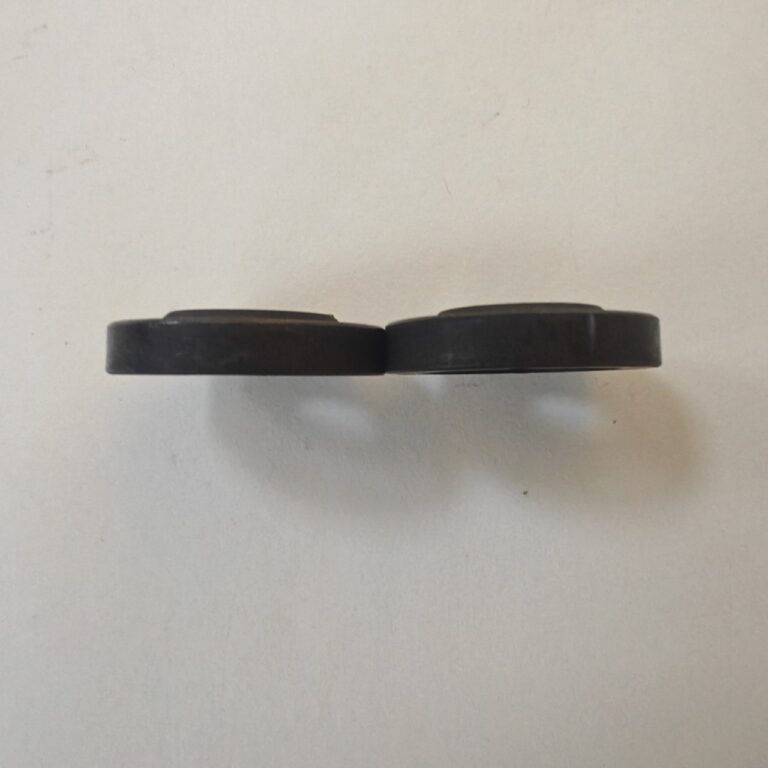
What Is an Injection Molded Ferrite Magnet An injection molded ferrite magnet is a magnetic component produced by blending ferrite powder with thermoplastic binders and forming it through injection molding. This process enables the creation of complex geometries with high precision while maintaining consistent magnetic performance. Compared with traditional sintered magnets, an injection molded ferrite magnet offers better design flexibility and improved production efficiency. It is widely used in industries such as electronics, automotive, and medical devices, where compact size and lightweight design are critical. In addition, this method supports modern engineering requirements for integrated and multifunctional components. Manufacturing Process of Injection Molded Ferrite Magnet Material Preparation The process begins with mixing ferrite powder and thermoplastic resins into a uniform compound. This step is essential to ensure stable magnetic properties and mechanical strength. Additives may be used to improve flow characteristics, reduce defects, and enhance bonding between materials. Injection Molding Stage The prepared compound is heated and injected into molds under controlled conditions. This stage allows manufacturers to produce intricate shapes that are difficult to achieve with conventional methods. It is especially suitable for high-volume production due to its repeatability and efficiency. For more information, visit our injection molding services.

injection molded ferrite magnets

Injection Molded Ferrite Magnets: Efficient Solutions for Complex Magnetic Parts

What Are Injection Molded Ferrite Magnets Injection molded ferrite magnets are magnetic components manufactured by combining ferrite powder with thermoplastic binders and forming them through injection molding. This advanced process enables the production of complex shapes with high precision and consistent performance. Compared with traditional sintered magnets, this manufacturing method offers greater flexibility in design and improved production efficiency. It is widely used in industries such as electronics, automotive, and medical devices, where compact and lightweight components are essential. In addition, this process supports modern product designs that require both functionality and reduced weight. Manufacturing Process of Injection Molded Ferrite Magnets Material Preparation The process begins by blending ferrite powder with thermoplastic resins to create a uniform mixture. This step is critical for ensuring stable magnetic properties and mechanical strength. Additives may also be included to improve flow behavior, enhance bonding, and reduce defects during molding. Careful material formulation also contributes to better thermal stability and long-term durability. Injection Molding Stage The prepared material is heated and injected into molds under controlled pressure and temperature. This stage allows manufacturers to create intricate geometries that are difficult to achieve with conventional production methods. The process is highly suitable for mass production

how to injection mold magnets

How to Injection Mold Magnets: A Comprehensive Guide

Understanding How to Injection Mold Magnets The question “how to injection mold magnets” refers to the process of embedding magnets into plastic components during injection molding. Many engineers and designers want to learn how to injection mold magnets to create functional assemblies efficiently while maintaining precise component geometry. This process is widely applied in industries such as electronics, automotive, and medical devices, where compact design, high precision, and durability are essential. Understanding how to injection mold magnets ensures reliable magnetic functionality without the need for secondary assembly or adhesives. In addition, this method supports lightweight product development, which is increasingly important in energy-efficient systems. Preparing Magnets for Injection Molding Before molding, magnets must be carefully coated or treated to withstand the high heat and pressure of injection molding. Common magnets include neodymium iron boron (NdFeB) and ferrite. Proper positioning in the mold is crucial to ensure accurate alignment and optimal performance after molding. Knowing how to injection mold magnets helps in selecting the right coatings, mold fixtures, and thermoplastic materials. It also ensures that the magnets maintain their magnetic properties throughout the molding process, which is critical for high-performance applications. Injection Molding Process Once magnets are placed in the mold,

can you injection mold around magnets

Can You Injection Mold Around Magnets: A Practical Guide

Understanding “Can You Injection Mold Around Magnets” The question “can you injection mold around magnets” refers to the process of embedding magnets directly into plastic components during injection molding. Many engineers and designers ask can you injection mold around magnets to integrate magnetic functionality while maintaining complex part geometry. This method allows manufacturers to combine magnets and plastics in one step, reducing assembly time and cost. Embedding magnets using injection molding is widely used in electronics, automotive, and medical devices, where precision, durability, and compact design are essential. Understanding can you injection mold around magnets is crucial for producing functional, reliable components efficiently. How You Can Injection Mold Around Magnets Preparing Magnets for Injection Molding Before molding, magnets must be carefully coated or treated to withstand the high temperatures and pressures involved in injection molding. Materials like neodymium iron boron (NdFeB) or ferrite magnets are commonly used. Proper magnet positioning is critical to ensure alignment and functionality after molding. By knowing can you injection mold around magnets, manufacturers can select appropriate coatings, fixturing, and mold designs to protect the magnets during production. Injection Molding Process Once magnets are secured in the mold, molten plastic is injected to encapsulate them. The

Magnet injection molding

Magnet Injection Molding: Efficient Manufacturing for Magnetic Components

What Is Magnet Injection Molding Magnet injection molding is a modern process that combines magnetic powders with thermoplastic binders to produce precise magnetic components. This technology allows manufacturers to create intricate shapes in a single step, improving production efficiency and consistency. Compared to traditional sintered magnets, this method offers greater design flexibility and shorter production cycles. It is commonly used in electronics, automotive, and medical devices, where compact size and performance reliability are essential. In addition, the process supports lightweight product design, which is increasingly important for energy-efficient systems. The Process of Magnet Injection Molding Material Preparation The process begins by blending magnetic powders, such as neodymium iron boron (NdFeB) or ferrite, with thermoplastic resins. Uniform mixing ensures stable magnetic properties and mechanical durability. Additives may be introduced to improve flow characteristics, reduce internal stress, and enhance molding stability. Careful formulation also helps improve thermal resistance and long-term performance under demanding conditions. Injection Stage The prepared material is heated and injected into molds under controlled conditions. This stage ensures high dimensional accuracy and allows the production of complex geometries that are difficult with other methods. It is particularly effective for producing small components that require tight tolerances and consistent quality

injection molded magnet

Injection Molded Magnet: Advanced Manufacturing for High-Performance Components

What Is an Injection Molded Magnet An injection molded magnet is a type of magnetic component produced by combining magnetic powders with thermoplastic binders and forming them through injection molding. This process enables manufacturers to create highly detailed and complex shapes that are difficult to achieve with traditional methods. Compared to conventional sintered magnets, this technology offers better design flexibility and improved production efficiency. It is widely used in electronics, automotive systems, and medical devices, where precision and consistency are critical. In addition, this process supports lightweight design, which is increasingly important in modern engineering applications. Manufacturing Process of Injection Molded Magnet Material Preparation The process begins with mixing magnetic powders such as neodymium iron boron (NdFeB) or ferrite with polymer resins. A uniform mixture ensures stable magnetic performance and mechanical strength. In some cases, additives are included to enhance flow characteristics and reduce molding defects. Proper material selection also plays a key role in determining thermal stability and long-term durability. Injection Molding The blended material is heated and injected into a mold cavity under controlled pressure. This stage allows manufacturers to produce intricate geometries with high repeatability. The method is especially suitable for small, lightweight, and complex parts that

magnetic platens injection molding

Magnetic Platens Injection Molding: Advanced Technique for High-Performance Components

What Is Magnetic Platens Injection Molding Magnetic platens injection molding is an innovative manufacturing process that combines magnetic powders with thermoplastic materials to produce precise and complex magnetic components. Unlike traditional sintered magnets, this technology uses magnetic platens during injection molding to improve the alignment of magnetic particles. The result is higher efficiency, better consistency, and improved magnetic performance in the final component. This technique is widely applied in electronics, automotive systems, and medical devices. It allows the production of intricate parts in one step, reduces post-processing, and enables cost-effective large-scale manufacturing. How Magnetic Platens Injection Molding Works Material Preparation The first step involves blending magnetic powders, such as neodymium iron boron (NdFeB) or ferrite, with thermoplastic resins. Uniform mixing ensures consistent magnetic properties and mechanical strength. Advanced formulations can also include additives to improve flowability and reduce defects during molding. See our magnetic materials solutions for detailed options. Injection Molding with Magnetic Platens Once the mixture is ready, it is heated and injected into molds equipped with magnetic platens. These platens generate a magnetic field that aligns the particles during the molding process, resulting in components with improved magnetic performance. This approach is particularly effective for miniaturized or complex

Single-Pole Absolute Encoder

How to Reduce Demagnetization Risk in Permanent Magnets

Permanent magnets are widely used in motors, sensors, and industrial systems where consistent magnetic performance is essential. One of the key engineering challenges is how to reduce demagnetization risk while maintaining efficiency and long-term reliability. When a magnet loses its strength, it can lead to reduced output, system instability, and increased maintenance costs. Understanding the factors that influence magnetic performance helps engineers design more stable and durable products. For more technical resources, visit https://www.highkos.com/ Reduce Demagnetization Risk by Optimizing Magnet Shape Magnet geometry has a direct impact on internal magnetic behavior. To reduce demagnetization risk, designers often choose shapes with a higher length-to-diameter ratio. Elongated magnets distribute magnetic flux more evenly, while short or flat shapes tend to concentrate magnetic poles, increasing internal reverse fields. By optimizing the structure, it is possible to improve performance without increasing material costs. Reduce Demagnetization Risk with Closed Magnetic Circuits Closed magnetic circuits are commonly used to improve magnetic efficiency and stability. This approach helps guide magnetic flux through soft magnetic materials, reducing leakage and minimizing exposure to external conditions. Such designs are widely applied in motors and sensors because they help maintain consistent output under varying loads. This is an effective way to

Scroll to Top