
What Is an Injection Molded Magnet
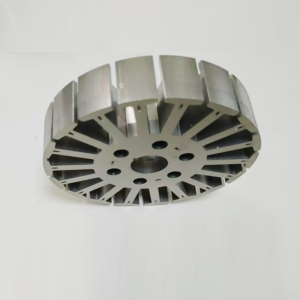
An injection molded magnet is a type of magnetic component produced by combining magnetic powders with thermoplastic binders and forming them through injection molding. This process enables manufacturers to create highly detailed and complex shapes that are difficult to achieve with traditional methods.
Compared to conventional sintered magnets, this technology offers better design flexibility and improved production efficiency. It is widely used in electronics, automotive systems, and medical devices, where precision and consistency are critical. In addition, this process supports lightweight design, which is increasingly important in modern engineering applications.
Manufacturing Process of Injection Molded Magnet
Material Preparation
The process begins with mixing magnetic powders such as neodymium iron boron (NdFeB) or ferrite with polymer resins. A uniform mixture ensures stable magnetic performance and mechanical strength. In some cases, additives are included to enhance flow characteristics and reduce molding defects. Proper material selection also plays a key role in determining thermal stability and long-term durability.
Injection Molding
The blended material is heated and injected into a mold cavity under controlled pressure. This stage allows manufacturers to produce intricate geometries with high repeatability. The method is especially suitable for small, lightweight, and complex parts that require tight tolerances.
For more details about advanced molding capabilities, visit our injection molding services.
Magnetization and Finishing
After molding, the parts are magnetized to achieve the required magnetic properties. Additional finishing processes such as coating, trimming, or machining may be applied depending on the application. You can explore more about material options on our magnetic materials page. These finishing steps ensure that the final components meet both functional and environmental requirements.
Advantages of Injection Molded Magnet
- Complex Design Capability: Enables the production of intricate shapes without additional machining
- High Efficiency: Suitable for large-scale manufacturing with consistent quality
- Material Optimization: Reduces waste compared to traditional processes
- Flexible Customization: Easy to modify molds for different product designs
Another important advantage is the ability to integrate multiple functions into a single component, which helps reduce assembly time and overall system complexity.
Key Applications
- Automotive Industry: Used in sensors, motors, and actuators for improved system performance
- Consumer Electronics: Ideal for compact devices such as headphones and wearable technology
- Medical Equipment: Suitable for precision instruments and diagnostic devices
As industries continue to demand smaller and more efficient components, this manufacturing method is becoming increasingly valuable. If you are looking for tailored solutions, check out our custom manufacturing services.
Challenges and Future Trends
Although this manufacturing method provides excellent design flexibility, its magnetic strength is typically lower than fully sintered alternatives. However, ongoing improvements in material science and processing technologies are continuously enhancing performance.
Future developments are expected to focus on high-performance materials, environmentally friendly formulations, and smart manufacturing integration to further improve efficiency and product quality. Automation and digital monitoring systems are also being introduced to ensure higher precision and consistency.
Conclusion
The injection molded magnet process offers a powerful combination of flexibility, efficiency, and precision. It is particularly valuable for producing complex shapes and supporting high-volume production. While there are still some limitations in magnetic strength, continuous innovation is making this technology increasingly competitive across industries.
FAQ: Injection Molded Magnet
1. What makes this process different from traditional magnet manufacturing?
It allows complex shapes to be formed in a single step, reducing machining and improving efficiency.
2. Are these magnets suitable for high-performance applications?
Yes, they meet the requirements of most electronic, automotive, and industrial uses.
3. What materials are commonly used?
NdFeB and ferrite powders combined with thermoplastic binders are the most common choices.
4. Is it cost-effective for mass production?
Absolutely. The process offers high consistency and reduced production costs.
5. How to choose a reliable supplier?
Select a manufacturer with strong technical expertise, modern equipment, and strict quality control.
Call to Action
Looking for reliable injection molded magnet solutions? Contact us today! Our team offers expert support and custom manufacturing services to help you achieve the best balance of performance and cost.