
Understanding How to Make a Fan Spin with Magnets
The concept of how to make a fan spin with magnets is based on the interaction between magnetic fields and electrical currents. This principle is widely used in modern brushless motors, where magnets and electromagnetic coils work together to generate rotational motion.
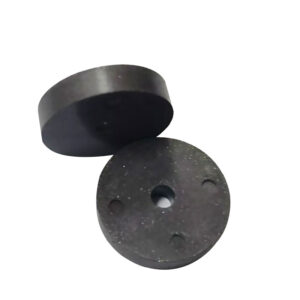
Many engineers and hobbyists explore how to make a fan spin with magnets to create efficient, low-noise, and durable motor systems. This method eliminates the need for direct mechanical contact, improving both performance and lifespan. For more professional solutions, visit https://www.highkos.com/.
Basic Principles Behind Magnet-Driven Fans
Magnetic Field Interaction
To understand how to make a fan spin with magnets, it is essential to learn how magnetic fields interact. When current flows through coils, it generates an electromagnetic field. This field interacts with permanent magnets, creating attraction and repulsion forces that produce torque.
Role of Permanent Magnets
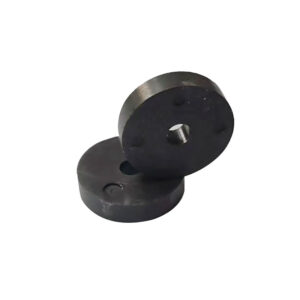
Permanent magnets, such as ferrite or neodymium, are key components in this system. They provide a stable magnetic field that enables continuous rotation. Choosing the right material is important when learning how to make a fan spin with magnets, as it directly affects efficiency and performance.
Brushless Motor Mechanism
In brushless motors, electronic control replaces traditional brushes. This allows precise timing of the magnetic field, ensuring smooth rotation. Understanding this mechanism is crucial when exploring how to make a fan spin with magnets in real-world applications.
Step-by-Step Guide: How to Make a Fan Spin with Magnets
- Select Suitable Magnets
Choose high-quality permanent magnets with stable magnetic strength. - Design the Rotor
Attach magnets evenly around the rotor to ensure balance and consistent rotation. - Build the Stator with Coils
Wind copper coils to create electromagnetic fields when powered. - Apply Electrical Input
Use controlled current to generate a rotating magnetic field. - Align Components Properly
Correct alignment is critical when implementing how to make a fan spin with magnets, as misalignment can reduce efficiency. - Test and Optimize
Adjust magnet positions and current timing to achieve smooth and stable operation.
For high-quality materials and technical support, explore https://www.highkos.com/.
Advantages of Using Magnets to Spin a Fan
- High Efficiency: Reduces energy loss compared to traditional systems
- Low Noise: Eliminates friction from mechanical brushes
- Long Lifespan: Fewer moving parts mean less wear
- Precise Control: Allows accurate speed and torque adjustments
By understanding how to make a fan spin with magnets, designers can create more advanced and energy-efficient systems.
Applications
- Ceiling Fans: Modern brushless designs for energy savings
- Cooling Systems: Used in computers and electronics
- Industrial Equipment: Reliable airflow systems with minimal maintenance
As technology advances, learning how to make a fan spin with magnets becomes increasingly valuable for both professionals and innovators.
Challenges and Optimization Tips
While the concept is efficient, challenges include heat management, magnet alignment, and maintaining stable rotation. Using high-quality materials and precise engineering helps overcome these issues.
Advanced control systems and improved magnet materials continue to enhance performance, making magnet-driven fans more reliable and efficient.
Conclusion
Understanding how to make a fan spin with magnets is essential for developing efficient and modern motor systems. By combining magnetic fields, proper design, and controlled electrical input, it is possible to create smooth, quiet, and durable fan operation. This technology plays a key role in energy-saving devices and future innovations.
FAQ: How to Make a Fan Spin with Magnets
1. Can magnets alone spin a fan?
Magnets need interaction with electromagnetic fields to generate continuous motion.
2. What type of magnets are best?
Ferrite and neodymium magnets are commonly used due to their stability and strength.
3. Is this method energy efficient?
Yes, it reduces friction and improves overall efficiency.
4. Can beginners try this?
Yes, simple setups can be created for educational purposes.
5. Where can I find quality magnets?
You can source them from https://www.highkos.com/.
Call to Action
Ready to explore how to make a fan spin with magnets for your project? Contact us today! Our team provides expert solutions and high-quality materials through https://www.highkos.com/ to help you achieve efficient and reliable designs.