NEWS

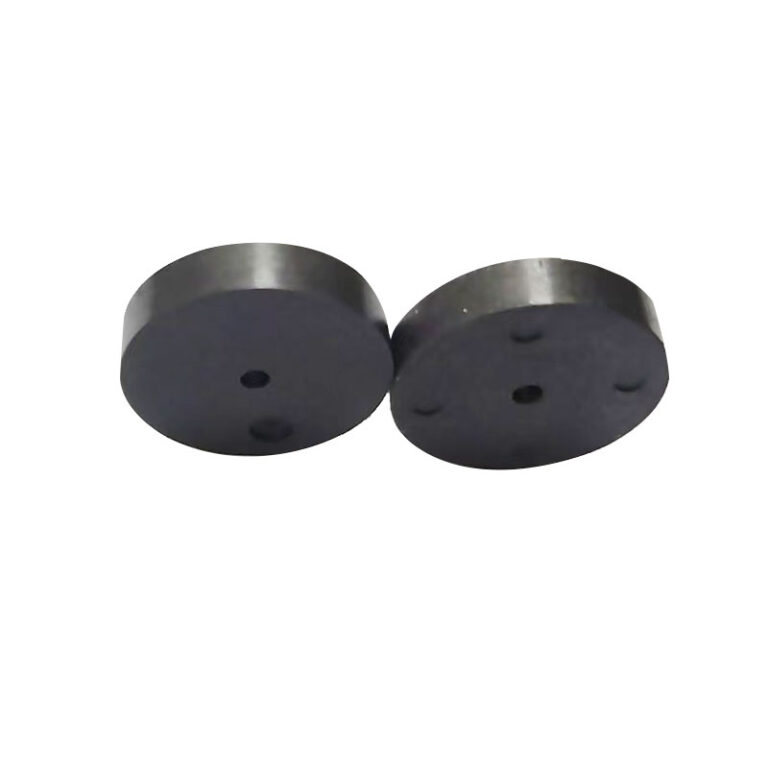
ferrite arc magnet

Ferrite Arc Magnet: Reliable and Efficient Curved Magnetic Solutions

In modern manufacturing and engineering, ferrite arc magnets play a key role in improving efficiency, precision, and durability. Ferrite arc magnets are widely used in motors, generators, and industrial machinery that require a curved magnetic structure. Choosing high-quality arc magnets ensures stable performance, long service life, and cost-effective production. Industries such as automotive, industrial automation, household appliances, and renewable energy rely on arc-shaped ferrite magnets to ensure optimal motor and generator performance. Bulk procurement of high-quality magnets can reduce production costs while maintaining consistent product quality. Applications of Arc-Shaped Ferrite Magnets Arc-shaped magnets are ideal for applications that require precise curved magnetic fields. Typical uses include: Rotor and stator assemblies in motors Generators and alternators Industrial automation equipment Household appliances Using arc magnets allows for uniform magnetic flux distribution, stable performance, and improved durability in high-volume production. Types of Arc Magnets Different applications require specific types of magnets. Common options include: 1. Hard Ferrite Arc Magnets Stable magnetic performance Resistant to demagnetization Suitable for motors, sensors, and industrial machinery 2. Bonded Ferrite Arc Magnets Ferrite powder combined with resin Allows precise shapes and tight tolerances Ideal for mass production of arc magnets 3. Sintered Ferrite Arc Magnets High-density magnets formed

injection molded magnet magnetization

Magnet Small: Compact Magnetic Solutions for Precision Applications

In modern engineering and manufacturing, compact components are essential for achieving efficiency and precision. One such critical component is the magnet small, widely used in electronics, sensors, motors, and miniature devices. Despite its size, this type of magnet plays a significant role in ensuring stable performance and accurate functionality. Industries such as consumer electronics, medical devices, automotive systems, and industrial automation increasingly rely on compact magnetic solutions. Choosing the right small magnet ensures better product performance, durability, and efficiency. The Role of Magnet Small in Modern Technology A magnet small is designed to deliver strong magnetic performance in a limited space. These magnets are commonly used where size constraints require compact yet powerful solutions. Key functions include: Enabling motion control in micro motors Supporting sensing and detection systems Holding or positioning small components Improving efficiency in compact devices Due to their size and versatility, small magnets are essential in applications where precision and space optimization are critical. Types of Magnet Small for Different Applications Different applications require specific types of small magnets. The most commonly used include: 1. Neodymium Small Magnets Extremely strong magnetic force for their size Ideal for precision electronics and micro motors Long-lasting and resistant to demagnetization

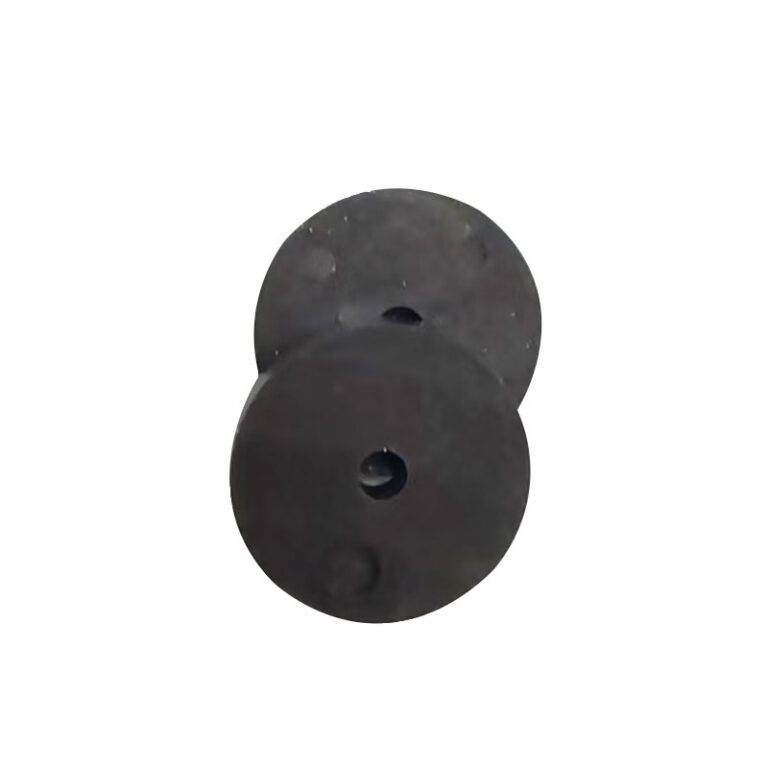
magnets bulk

Magnets Bulk: High-Quality Solutions for Industrial and Manufacturing Needs

In modern industrial and manufacturing processes, high-performance magnets play a crucial role in ensuring efficiency, precision, and reliability. Procuring magnets bulk allows businesses to maintain a consistent supply of essential components for motors, sensors, automation systems, and other machinery. From automotive production to electronics assembly and industrial machinery, manufacturers rely on high-quality magnets to meet production demands. Choosing the right bulk supplier ensures consistent performance, reduces downtime, and supports long-term operational success. The Importance of Magnets Bulk in Manufacturing Buying magnets bulk is essential for industries that require large quantities of magnetic components for assembly lines and machinery. These magnets are used in a variety of applications, such as: Electric motors and generators Sensors and actuators Robotics and automated systems Industrial automation equipment High-quality magnets purchased in bulk not only reduce production costs but also improve reliability and efficiency across the manufacturing process. Types of Magnets Available in Bulk Different applications require different types of magnets. When ordering magnets bulk, the main types include: 1. Neodymium (NdFeB) Magnets High magnetic strength for precision applications Durable and resistant to demagnetization Ideal for motors, sensors, and robotics 2. Ferrite Magnets Cost-effective solution for large-scale production Corrosion-resistant for humid or industrial environments Suitable

Magnetic Ring Sensor

Magnetic Ring Sensor: Improving Precision and Reliability in Modern Applications

In today’s rapidly evolving industrial and electronic landscape, precision sensing plays a crucial role in ensuring performance, safety, and efficiency. One of the most important components in motion detection and position control systems is the Magnetic Ring Sensor, which enables accurate signal feedback in a wide range of applications. From automotive systems to industrial automation and smart appliances, manufacturers rely on advanced sensing technologies to maintain stable and efficient operations. Choosing a high-quality sensing solution is essential for achieving consistent results and long-term reliability. The Role of Magnetic Ring Sensor in Detection Systems A Magnetic Ring Sensor works by detecting magnetic field variations generated by a rotating or stationary magnetic ring. These changes are converted into electrical signals, which are then used to determine position, speed, or direction. This type of sensing technology is widely used because of its: High accuracy and repeatability Non-contact measurement capability Resistance to wear and mechanical fatigue Stability under harsh environments These advantages make it an ideal solution for modern motion control systems. Types of Magnetic Ring Sensor Technologies Different sensing requirements call for different types of solutions. Common configurations include: 1. Hall-Based Sensors These sensors use the Hall effect principle to detect magnetic field

High-Temperature Hall Sensor

High-Temperature Hall Sensor: Enhancing Efficiency and Reliability in Industrial Applications

High-Temperature Hall Sensor: Enhancing Industrial Equipment Efficiency Modern industrial systems increasingly rely on precision sensors to optimize performance, ensure safety, and maintain long-term reliability. Among these components, the high-temperature Hall sensor plays a vital role in detecting magnetic fields and providing accurate measurements under extreme conditions. Industries ranging from automotive electronics to industrial automation and appliance manufacturing depend on high-quality magnetic sensors. Choosing the right type of sensor ensures reliable performance, even in high-temperature environments. Role of High-Temperature Hall Sensors in Industrial Applications These sensors detect changes in magnetic fields and convert them into electrical signals. Their accuracy, stability, and durability directly impact: Equipment performance and efficiency System stability and safety Measurement precision Lifespan of machinery High-quality sensors ensure smooth operation under extreme temperatures and vibration, while poorly designed ones can lead to errors and premature wear. Types of High-Temperature Hall Sensors Selecting the right sensor is essential for different applications: 1. Linear Sensors Provide continuous voltage output proportional to the magnetic field Suitable for precise position and current sensing Maintain accuracy under high temperatures 2. Digital Sensors On/off or pulse output for speed detection or position sensing Reliable under harsh industrial conditions 3. Programmable Sensors Configurable sensitivity and output

magnets for manufacturing

Magnets for Manufacturing: Enhancing Efficiency and Reliability in Industrial Applications

Modern manufacturing processes increasingly rely on high-performance magnetic components to improve efficiency, reduce energy consumption, and maintain equipment reliability. At the heart of many industrial machines are magnets for manufacturing, which play a critical role in generating force, stabilizing motion, and ensuring long-term operational performance. Industries ranging from automotive production to home appliance assembly and precision machinery depend on high-quality magnets for manufacturing. Selecting the right magnets and a trusted supplier is essential for achieving consistent results and maximizing productivity. The Role of Magnets for Manufacturing in Industrial Processes Magnets for manufacturing are used in various machines and equipment to control motion, hold components in place, and transfer energy efficiently. Their strength, alignment, and durability directly affect: Equipment efficiency Operational stability Energy consumption Noise and vibration levels Equipment lifespan High-quality magnets ensure that industrial processes run smoothly, even under heavy loads or continuous operation. Poor-quality magnets can lead to inconsistent results, higher energy usage, and faster wear of machinery components. Types of Magnets for Manufacturing Choosing the right type of magnets for manufacturing is crucial for specific applications. The most common materials include: 1. Neodymium (NdFeB) Magnets High energy density: Ideal for precision machinery requiring strong magnetic force. Efficient: Reduces

Ceiling Fan Motor Magnet

Ceiling Fan Motor Magnet: Enhancing Efficiency and Reliability in Modern Ceiling Fans

Modern ceiling fans have evolved from simple air circulation devices into highly efficient, energy-saving, and durable home and industrial solutions. The performance of these fans heavily depends on the quality of their internal motors. At the heart of these motors lies a critical component: the Ceiling Fan Motor Magnet. This component plays a key role in generating torque, ensuring stability, and maintaining energy-efficient performance over the motor’s lifespan. Manufacturers of ceiling fans, HVAC systems, and certain home appliances prioritize Ceiling Fan Motor Magnets because they directly influence energy consumption, noise levels, and mechanical reliability. Selecting the right magnet and supplier ensures that fans meet both performance and safety standards. The Critical Role of the Ceiling Fan Motor Magnet The Ceiling Fan Motor Magnet is typically mounted on the rotor and interacts with the stator to create rotational motion. Its magnetic strength, alignment, and long-term stability are critical factors that determine: Motor torque output Energy efficiency Vibration levels Operational noise Overall lifespan High-quality magnets ensure that the motor operates smoothly under varying loads, even when fans run continuously in commercial or industrial environments. By contrast, poorly manufactured magnets can result in uneven torque, higher energy consumption, and premature wear of the

Magnetic Ring for Motors

Magnetic Ring for Motors: Key Technology for Efficient Motor Performance

Modern motors rely heavily on precise magnetic components to achieve optimal efficiency and performance. One critical element in this system is the Magnetic Ring for Motors, which ensures smooth rotation, energy efficiency, and long-lasting reliability. Manufacturers in automotive systems, home appliances, and industrial automation use high-quality magnetic rings to enhance motor performance. Selecting the right magnetic component and a professional manufacturer is essential for stable and durable motor operation. Magnetic Ring for Motors and Its Role in Motor Performance A Magnetic Ring for Motors is installed inside the motor to interact with the rotor and stator magnetic fields. The quality, stability, and precise alignment of the magnetic ring directly affect the motor’s torque, efficiency, and vibration levels. High-quality magnetic rings provide several advantages: Uniform magnetic field distribution Increased torque density Improved energy efficiency Reduced vibration and operational noise These benefits make magnetic rings indispensable in electric vehicles, pumps, compressors, and household motors. Magnetic Ring for Motors Manufacturing Process Creating a reliable Magnetic Ring for Motors requires advanced materials and precise manufacturing techniques. Key steps include: Material Selection for Magnetic Ring for Motors Neodymium iron boron (NdFeB) and ferrite magnets are commonly used. NdFeB provides high magnetic strength for premium applications,

multipolar magnets sale​

BLDC Motor Rotor Magnet: Key Technology for Efficient Motor Performance

Brushless DC motors are widely used in modern industries because of their high efficiency, low noise, and long service life. At the heart of these motors lies a critical component: the BLDC Motor Rotor Magnet. This magnetic component directly influences torque output, motor efficiency, and long-term reliability. Manufacturers in industries such as automotive systems, home appliances, and industrial automation rely on high-precision rotor magnets to ensure stable performance. Choosing the right magnet design and manufacturing partner can significantly enhance the overall performance of a motor system. BLDC Motor Rotor Magnet and Its Role in Motor Performance A BLDC Motor Rotor Magnet is installed on the rotor of a brushless DC motor and interacts with the stator’s electromagnetic field to generate rotational motion. The magnetic strength, stability, and precision of the rotor magnet determine how efficiently the motor converts electrical energy into mechanical power. High-quality rotor magnets offer several advantages: Stable magnetic field distribution Higher torque density Improved energy efficiency Reduced vibration and noise These benefits are essential for applications such as electric fans, pumps, compressors, and electric vehicles. BLDC Motor Rotor Magnet Manufacturing Process Producing a reliable BLDC Motor Rotor Magnet requires advanced materials and precise manufacturing techniques. The process

Single-Pole Absolute Encoder

Gas Assisted Injection Molding: Innovative Solutions for High-Quality Plastic Components

Gas Assisted Injection Molding: Advanced Solutions for High-Precision Plastic Parts Introduction to Gas Assisted Injection Molding Gas Assisted Injection Molding (GAIM) is an advanced plastic molding technology designed to produce lightweight, high-strength, and complex plastic components efficiently. Unlike traditional injection molding, GAIM introduces inert gas, usually nitrogen, into the molten plastic during the molding process. This forms hollow sections inside the part, reduces material usage, minimizes warping, and improves surface quality. GAIM is widely adopted across multiple industries, including automotive, furniture, electronics, and consumer goods, for its ability to combine design flexibility with cost-effectiveness. Byintegrating this technology, manufacturers can reduce cycle times, save raw materials, and produce parts with excellent structural integrity. How Gas Assisted Injection Molding Works The process begins with partially filling the mold cavity with molten plastic. Once a pre-determined level is reached, Highkos GAIM technology injects nitrogen gas through strategically placed channels. The gas pushes the molten plastic to the mold walls, creating hollow sections within the part. Detailed Process Steps: Mold Design and PreparationMolds must be designed with gas inlets, vents, and channels to ensure uniform gas distribution. Precise engineering prevents defects like incomplete filling or uneven walls. Injection of Molten PlasticPlastic resin is injected

Single-Pole Absolute Encoder

HIGHKOSMagnet: Leading Global Intelligent Development with Magnetic Ring Solutions

Opportunities for Magnetic Ring Amid Global Digitalization and Carbon Neutrality With the acceleration of global digital transformation and carbon neutrality initiatives, the Magnetic Ring industry and related sensors, essential components in electronic circuits, are entering a historic growth phase. These components are seeing an expanding range of applications in new energy, industrial automation, and consumer electronics. Leveraging years of experience in magnetic material research, HIGHKOSMagnet has identified China, as the global manufacturing hub, providing a fertile growth environment for the sector. Driven by the cluster effects of emerging industries such as new energy vehicles, industrial automation, and green energy, China has become a central market for Magnetic Ring demand. HIGHKOSMagnet seizes this trend through continuous technological innovation and strict quality control, ensuring stable and reliable high-precision solutions for customers worldwide.   Key Applications of Magnetic Ring in New Energy Vehicles New energy vehicles (NEVs) have become the “primary engine” driving growth in Magnetic Ring demand. Compared with traditional fuel vehicles, modern intelligent electric cars require higher performance components. Magnetic Rings play a critical role in motor speed control, current detection in battery management systems (BMS), and precise positioning in advanced driver-assistance systems (ADAS). The high-precision Hall-effect Magnetic Rings produced by

multipole strip magnet

Optimized English Version with Internal Links: Hall-effect Magnetic Ring Driving Smart Technology

Hall-effect Magnetic Ring: Core Magnetic Technology Leading Intelligent Development In today’s era of rapid digitalization and carbon neutrality, Hall-effect Magnetic Rings are essential components in electronic circuits. Beyond traditional electronics, these magnetic rings are widely used in new energy vehicles (NEVs), industrial automation, renewable energy, and consumer electronics. With extensive experience in magnetic material research and manufacturing, HIGHKOSMagnet delivers high-precision, durable, and stable magnetic solutions, providing comprehensive support for industries worldwide. As NEV production continues to rise, each vehicle requires significantly more Hall-effect Magnetic Rings than conventional cars, driving innovation and production expansion across the industry. HIGHKOSMagnet is well-positioned as a leading provider of high-quality magnetic ring solutions for a wide range of applications. Key Applications of Hall-effect Magnetic Ring in New Energy Vehicles The NEV market is a primary driver of Hall-effect Magnetic Ring demand. Intelligent vehicles depend on these magnetic rings for precision and stability in power systems, safety features, and driver assistance technologies. Battery Management Systems (BMS): Magnetic rings monitor current and voltage in  real time for safe and efficient battery operation. Motor Speed Control: Hall-effect rings measure rotor positions accurately, ensuring efficient motor performance. Advanced Driver Assistance Systems (ADAS): Magnetic rings provide precise feedback for wheel

Scroll to Top