
Rotor position sensing is a fundamental technology used to determine the exact angular position of a motor’s rotor during operation. This information is critical for controlling motor speed, torque, and direction with high accuracy. By using rotor position sensing, motor controllers can continuously adjust electrical signals, ensuring smooth and efficient performance.
In modern motor systems, especially brushless DC (BLDC) motors and servo drives, rotor position sensing enables closed-loop control. This means the system constantly monitors feedback and makes real-time corrections. As a result, motors operate more efficiently, consume less energy, and experience reduced mechanical stress.
With the rapid growth of automation, electric vehicles, and smart devices, the demand for accurate position feedback continues to rise. Advanced sensing solutions not only improve performance but also contribute to energy savings and system reliability across a wide range of industries.
Core Technologies Behind Rotor Position Sensing
Hall-Effect Rotor Position Sensing
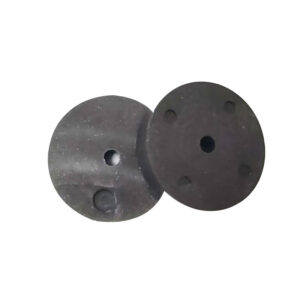
Hall-effect rotor position sensing is one of the most widely adopted methods. It works by detecting changes in magnetic fields generated by a rotating magnetic ring attached to the rotor. These signals are then converted into electrical outputs that indicate rotor position.
This method is highly valued for its simplicity, durability, and cost-effectiveness. It performs reliably in a variety of environments and is commonly used in automotive systems, household appliances, and industrial machinery. Because of its compact size and low cost, it remains a preferred choice for mass production applications.
Optical Rotor Position Sensing Methods
Optical sensing uses light-based detection to achieve high precision. A light source and sensor work together to detect interruptions or reflections from a rotating disk. This allows for extremely accurate position measurement.
Although optical solutions provide excellent resolution, they are sensitive to environmental factors such as dust, oil, and vibration. Therefore, they are typically used in controlled environments where cleanliness and stability can be maintained, such as laboratory equipment or precision manufacturing systems.
Magnetic Rotor Position Sensing Solutions
Magnetic sensing provides a robust alternative to optical methods. It detects changes in magnetic fields and is less affected by environmental conditions. This makes it suitable for harsh environments, including industrial automation, heavy machinery, and renewable energy systems.
Compared to optical systems, magnetic solutions offer a balance between accuracy and durability. They are widely used in applications where reliability is more important than ultra-high precision.
Key Benefits of Rotor Position Sensing
Enhanced Energy Efficiency
Rotor position sensing enables motors to operate at optimal timing and switching points. This reduces energy loss and improves overall efficiency. In applications such as electric vehicles, even small improvements in efficiency can lead to significant energy savings.
By ensuring that motors receive the correct input at the right moment, sensing technology helps reduce unnecessary power consumption and improves system performance.
Improved Reliability and Equipment Lifespan
Accurate position feedback allows systems to detect irregularities early, such as misalignment or overload conditions. This helps prevent damage to motor components and reduces the likelihood of unexpected failures.
As a result, equipment lifespan is extended, and maintenance costs are lowered. This is particularly important in industrial environments where downtime can be costly.
High Precision and Smooth Operation
Real-time feedback from rotor position sensing allows for precise control of motor movement. This results in smoother operation, reduced vibration, and improved accuracy.
In applications like robotics, CNC machinery, and automated production lines, precision is critical. Even minor deviations can affect product quality, making reliable sensing technology essential.
Applications Across Modern Industries
Rotor position sensing is widely used in a variety of industries due to its versatility and effectiveness.
Automotive Industry
In the automotive sector, rotor position sensing is essential for electric drive systems, power steering, and hybrid vehicles. It ensures smooth acceleration, efficient energy use, and reliable motor control.
Home Appliances
Household devices such as washing machines, air conditioners, and refrigerators rely on accurate motor control to improve performance and reduce energy consumption. Position detection helps these appliances operate more quietly and efficiently.
Industrial Automation
In industrial settings, rotor position sensing is used in robotics, conveyor systems, and automated manufacturing lines. It enables precise control and consistent performance, which are crucial for productivity and quality.
Renewable Energy Systems
Wind turbines and solar tracking systems depend on accurate position feedback to optimize energy generation. By ensuring correct alignment and movement, sensing technology helps maximize efficiency and output.
For more advanced and customized solutions, you can explore:
https://www.highkos.com/
Design Considerations for Rotor Position Sensing Systems
When implementing rotor position sensing, engineers must consider several important factors to ensure optimal performance.
Accuracy Requirements
Different applications require different levels of precision. High-end systems such as robotics demand extremely accurate position detection, while general applications may tolerate lower precision.
Environmental Conditions
Temperature, humidity, dust, and vibration can all impact sensor performance. Choosing the right sensing technology ensures reliable operation under specific environmental conditions.
Cost and Performance Balance
While high-precision solutions offer better performance, they often come at a higher cost. It is important to balance performance requirements with budget constraints.
Integration and Compatibility
The sensing system must be compatible with the motor controller and other components. Proper integration ensures smooth communication and efficient operation.
Future Trends in Rotor Position Sensing
As technology continues to evolve, rotor position sensing is becoming more advanced and intelligent. Innovations such as sensor fusion, AI-based control systems, and integrated smart sensors are shaping the future of motor control.
These advancements aim to improve accuracy, reduce system complexity, and enable predictive maintenance. In the future, sensing technology will play an even greater role in enabling smart factories and autonomous systems.
Conclusion
Rotor position sensing is a crucial component of modern motor systems. It enables efficient operation, precise control, and improved reliability across a wide range of applications. By adopting advanced sensing technologies, businesses can enhance performance, reduce energy consumption, and achieve long-term cost savings.
FAQ
Q1: What is rotor position sensing?
It is a technology used to detect the position of a motor’s rotor for precise control.
Q2: Why is rotor position sensing important?
Rotor position sensing ensures efficient, stable, and accurate motor operation.
Q3: Which sensing method is most commonly used?
Hall-effect solutions are widely used due to their reliability and cost efficiency.
Q4: Can rotor position sensing improve energy efficiency?
Yes, it helps optimize motor performance and reduce energy loss.
Q5: How do I choose the right sensing solution?
Consider accuracy, environment, cost, and system compatibility.
Contact Us
Looking for high-performance rotor position sensing solutions tailored to your application?
Contact us today for expert support, competitive pricing, and a complete product catalog. Let us help you improve efficiency, precision, and reliability in your motor systems.