
In modern engineering and manufacturing, compact components are essential for achieving efficiency and precision. One such critical component is the magnet small, widely used in electronics, sensors, motors, and miniature devices. Despite its size, this type of magnet plays a significant role in ensuring stable performance and accurate functionality.
Industries such as consumer electronics, medical devices, automotive systems, and industrial automation increasingly rely on compact magnetic solutions. Choosing the right small magnet ensures better product performance, durability, and efficiency.
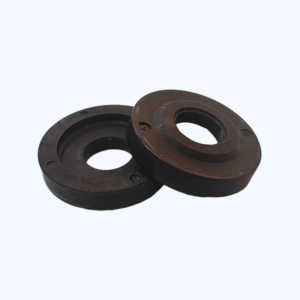
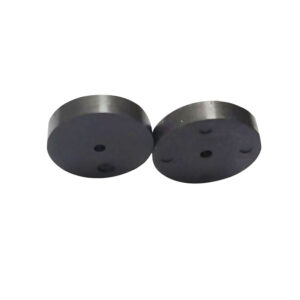
The Role of Magnet Small in Modern Technology
A magnet small is designed to deliver strong magnetic performance in a limited space. These magnets are commonly used where size constraints require compact yet powerful solutions.
Key functions include:
- Enabling motion control in micro motors
- Supporting sensing and detection systems
- Holding or positioning small components
- Improving efficiency in compact devices
Due to their size and versatility, small magnets are essential in applications where precision and space optimization are critical.
Types of Magnet Small for Different Applications
Different applications require specific types of small magnets. The most commonly used include:
1. Neodymium Small Magnets
- Extremely strong magnetic force for their size
- Ideal for precision electronics and micro motors
- Long-lasting and resistant to demagnetization
2. Ferrite Small Magnets
- Cost-effective for mass production
- Good resistance to corrosion
- Suitable for general applications
3. Samarium-Cobalt Small Magnets
- Excellent performance in high-temperature environments
- Strong resistance to corrosion
- Ideal for aerospace and industrial uses
Selecting the right magnet small depends on performance requirements, environmental conditions, and budget.
Manufacturing Process of Magnet Small
Producing high-quality small magnets requires advanced technology and precise control.
Material Preparation
Raw magnetic materials are carefully processed to ensure consistent composition and magnetic properties.
Shaping and Forming
Magnets are formed into small sizes using sintering or molding techniques, ensuring accuracy in dimensions.
Magnetization
Each magnet is magnetized under controlled conditions to achieve the desired magnetic strength and orientation.
Surface Coating
Protective coatings such as nickel, zinc, or epoxy are applied to improve durability and corrosion resistance.
Quality Testing
Each batch undergoes testing for:
- Magnetic strength
- Dimensional accuracy
- Thermal resistance
- Mechanical durability
Applications of Magnet Small Across Industries
The magnet small is widely used in a variety of industries:
Consumer Electronics
Used in smartphones, speakers, headphones, and wearable devices, enabling compact and efficient designs.
Automotive Systems
Applied in sensors, electric motors, and control systems for improved performance and precision.
Medical Devices
Used in imaging equipment, surgical tools, and diagnostic devices where accuracy is critical.
Industrial Equipment
Supports automation systems, robotics, and precision machinery requiring compact magnetic components.
Advantages of Using Magnet Small
- Compact size allows integration into small devices
- High efficiency despite limited space
- Versatility across multiple industries
- Customizability for specific applications
These advantages make small magnets indispensable in modern product design.
How to Choose the Right Supplier
When sourcing a magnet small, consider:
- Experience in precision magnet manufacturing
- High-quality raw materials
- Ability to produce custom sizes and shapes
- Strict quality control and testing
- Technical support for product integration
A reliable supplier ensures consistent quality and performance.
Case Example: Small Magnets in Electronics
An electronics manufacturer improved device performance by upgrading to high-quality compact magnets. Results included:
- Increased product efficiency
- Reduced component size
- Improved durability
- Lower failure rates
This demonstrates how selecting the right magnet small can enhance overall product quality.
Conclusion
The magnet small plays a vital role in modern technology by enabling compact, efficient, and reliable designs. From electronics to industrial systems, these magnets provide essential functionality in limited spaces. Choosing high-quality products and a trusted supplier ensures optimal performance and long-term reliability.
Take Action Today
Upgrade your products with high-performance compact magnets. Visit https://www.highkos.com/ to explore advanced solutions. Contact us today to get customized small magnet solutions for your application needs.
FAQ
What is a magnet small used for?
It is used in compact devices for motion control, sensing, positioning, and holding functions.
Which materials are used for small magnets?
Common materials include neodymium, ferrite, and samarium-cobalt.
Can small magnets be customized?
Yes, including size, shape, coating, and magnetic strength.
Which industries use small magnets most?
Electronics, automotive, medical devices, and industrial automation.
What are the benefits of using small magnets?
Compact size, strong performance, versatility, and adaptability to various applications.