
As modern equipment becomes more compact, efficient and integrated, magnetic components are expected to deliver more than basic magnetic force. Manufacturers increasingly need components with application-specific shapes, consistent dimensions, reliable magnetic properties and compatibility with automated assembly processes. Injection molding offers an effective manufacturing approach for meeting many of these requirements.
Injection Molded Magnets are produced by combining magnetic powders with polymer binders and forming the compound into designed shapes through an injection molding process. Unlike conventional magnets that are often manufactured as separate blocks, rings or arcs, molded magnetic materials can support more complex geometries and integrated structures.
These characteristics make them relevant to household appliances, automotive systems, new energy vehicles, water pumps, industrial automation, medical equipment, drones, power tools and electric motors. For OEM and ODM companies, understanding the material and process is essential before selecting a magnetic component for a new product.
High Kos Magnet provides magnetic product solutions covering injection-molded and sintered magnets, magnetic rings and motor-related components. This article explains how molded magnets are made, what affects their performance and how manufacturers can evaluate them for customized applications.
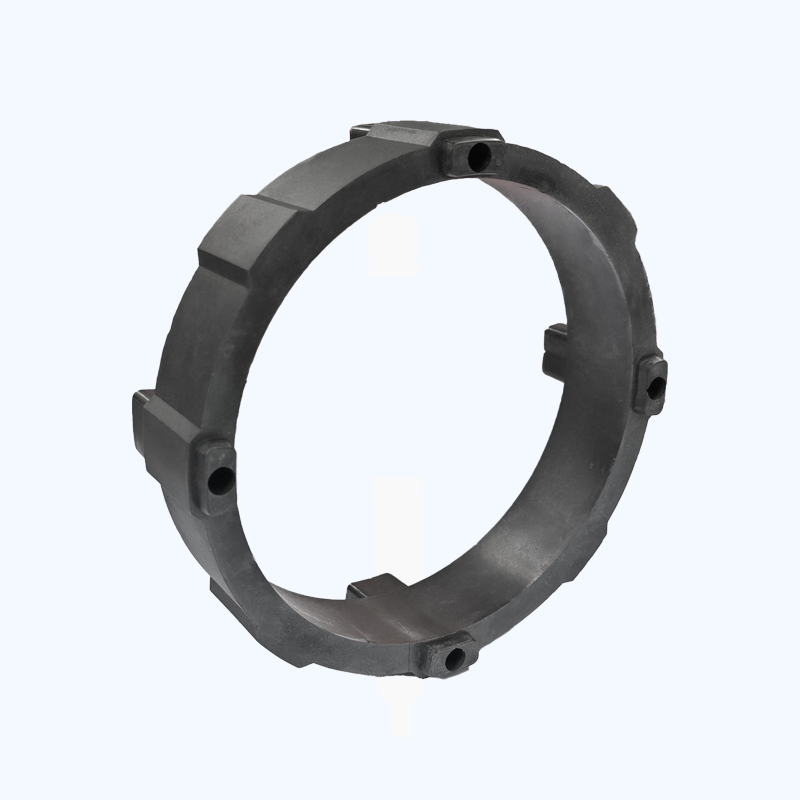
1. What Are Injection Molded Magnets?
Injection molded magnets are composite magnetic materials made by mixing magnetic powder with a suitable thermoplastic binder. The compound is heated, injected into a mold cavity and cooled to form a component with the required geometry.
The magnetic powder provides the magnetic properties, while the binder supports the molding process and helps hold the component together. Depending on the formulation, magnetic powder may include ferrite or NdFeB. The choice of material influences magnetic performance, density, mechanical characteristics, temperature behavior and cost.
One important feature of this technology is design flexibility. A molded magnetic component can be developed as a ring, arc, cylinder, rotor element or another application-specific shape. Some designs can also combine magnetic and structural features, potentially reducing the number of separate parts in an assembly.
However, injection molding does not automatically make every magnet stronger or more suitable than a sintered alternative. The correct solution depends on the motor design, available space, required magnetic properties and operating environment.
Injection Molded Magnets and Conventional Sintered Magnets
Sintered magnets are manufactured through powder preparation, pressing and high-temperature sintering. They are widely used when a particular level of magnetic performance is required and the component geometry is compatible with the process.
Molded magnets use a polymer binder and an injection process. This approach can provide greater freedom in shaping and integration, although the binder content and material formulation affect the final magnetic properties.
For product developers, the decision should not be based on manufacturing method alone. It should consider the complete component function, including magnetic requirements, dimensions, mechanical loading, temperature exposure and production cost.
2. Materials Used in Injection Molded Magnets
Material selection is one of the first decisions in a magnetic component project. Different magnetic powders offer different performance characteristics, and the binder also affects the final product.
Injection Molded Ferrite Magnets
Ferrite-based molded magnets combine ferrite powder with a polymer binder. They can be considered for applications where cost, corrosion-related considerations, geometry and magnetic requirements need to be balanced.
Injection-molded ferrite is used in selected motor components, magnetic rings, pump rotors and other equipment. Its suitability depends on the required magnetic properties and the component’s operating conditions.
For example, a compact household appliance motor may prioritize cost-effective production and dimensional consistency, while a water pump rotor may also require evaluation of fluid exposure, temperature and mechanical interfaces.
High Kos offers an injection-molded ferrite product range for different magnetic component applications.
Injection Molded NdFeB Magnets
NdFeB is a high-performance permanent magnet material. When used in a bonded or injection-molded formulation, it can support designs where magnetic output and component geometry need to be considered together.
The final magnetic performance depends on the magnetic powder, binder ratio, orientation, molding process and magnetization design. Buyers should not assume that an injection-molded NdFeB component has the same magnetic properties as a sintered NdFeB magnet.
For compact motor and sensing applications, engineers should compare the available material options against the actual magnetic circuit and installation space.
Binder Selection and Material Formulation
The polymer binder is an important part of the material system. It influences flow during molding, mechanical integrity, dimensional behavior and environmental compatibility.
The appropriate formulation depends on the intended application. A component operating near a motor or in an automotive environment may face different temperature and mechanical conditions from one used in office equipment or a small household appliance.
Therefore, material selection should be made together with the component design. A supplier should understand the operating environment before recommending a formulation.
3. How Injection Molded Magnets Are Manufactured
The manufacturing process involves several coordinated stages. Each stage can influence the final component’s dimensions, magnetic behavior and production consistency.
Step 1: Magnetic Material Preparation
Magnetic powder and polymer binder are prepared according to the selected formulation. Consistent mixing is important because uneven material distribution may affect the quality and performance of the finished component.
The formulation should be selected according to the required magnetic properties, mechanical characteristics and processing conditions.
Step 2: Injection Molding and Tooling
The prepared compound is heated and injected into a mold. The mold determines the component’s geometry, including its outer dimensions, internal features and structural details.
Tooling design is especially important for customized components. Gate position, material flow, cooling and mold structure can influence dimensional stability and repeatability.
For OEM projects, engineering teams should review the drawings and identify critical dimensions before tooling begins. This helps align the mold design with the actual assembly requirements.
Step 3: Cooling and Component Inspection
After injection, the molded component cools and is removed from the mold. Depending on the design, additional operations may be required before magnetization or final inspection.
Inspection may include dimensional measurement, visual checks and other tests defined by the customer’s specifications. The appropriate inspection plan depends on the component’s function and quality requirements.
Step 4: Magnetization
A molded component may require magnetization after molding. The magnetization fixture and process are selected according to the required pole arrangement and magnetic direction.
Some motor and sensor applications require multipole magnetization. The pole number, pole position and magnetic pattern must match the design of the motor or sensing system.
Step 5: Final Quality Verification
The finished component should be checked against agreed acceptance criteria. Depending on the project, this may involve dimensional inspection, magnetic testing, visual inspection and assembly verification.
For mass production, maintaining consistent process conditions and inspection methods is important. The customer and manufacturer should agree on relevant quality requirements before production approval.
4. Key Advantages of Injection Molded Magnets
The value of molded magnetic components comes from how the material and manufacturing process work together. Their advantages are most useful when they address specific design or production challenges.
Flexible Component Geometry
Injection molding can support shapes that may be difficult or less economical to produce through conventional magnet processing. Rings, curved segments, integrated structures and customized profiles can be evaluated according to the mold design.
This flexibility can help engineers optimize component layout and make better use of limited installation space.
Integration with Mechanical Structures
Certain designs allow magnetic material to be molded into or around other component structures. This may reduce separate assembly steps or help create a more integrated component.
Whether integration is practical depends on the material, tooling, design and required mechanical performance. It should be validated during product development.
Repeatable Production Dimensions
Once the mold and process are properly developed, injection molding can support repeatable production of components with defined geometries.
Dimensional consistency is important for motor assemblies, sensor systems and automated production lines. Buyers should still define critical tolerances and verify them through an agreed inspection process.
Support for Multipole Magnetization
Molded magnetic components can be designed for different magnetization patterns. This is useful in selected motors, encoders and sensing applications where the magnetic pole arrangement is part of the system design.
The magnetization pattern must be coordinated with the motor or sensor requirements rather than selected independently.
5. Applications of Injection Molded Magnets Across Industries
Molded magnetic components are used in a wide range of equipment. Their suitability depends on the specific material, component structure and operating conditions.
Household Appliances
Household appliances use motors and magnetic components in products such as washing machines, refrigeration equipment, fans, air-conditioning systems and other automated devices.
A molded magnetic ring or rotor component may help meet requirements for compact geometry and repeatable assembly. Manufacturers should consider motor performance, noise expectations, operating temperature and target production cost when selecting a solution.
Automotive and New Energy Vehicles
Automotive systems use magnetic components in selected motors, actuators, sensors and auxiliary equipment. New energy vehicles also rely on electric pumps and thermal management systems to support the operation of batteries, motors and power electronics.
For these applications, material selection should account for temperature, vibration, moisture exposure and customer-specific validation requirements. Automotive programs may also require additional documentation and traceability, which should be defined before production approval.
High Kos discusses related applications in its article on injection-molded ferrite magnetic components for thermal management systems.
Water Pumps and Fluid Equipment
Water pump systems may use molded magnetic rotors or magnetic rings as part of their motor assemblies. The component must be compatible with the pump structure and intended operating conditions.
Important considerations can include fluid exposure, sealing design, temperature, rotational requirements and dimensional interfaces. These details should be provided to the supplier during the initial technical review.
Industrial Automation and Robotics
Industrial automation equipment uses motors, sensors and motion-control systems to perform repetitive and precise operations. Magnetic rings and molded rotor components may be used in selected motor and sensing assemblies.
For these applications, engineers should focus on magnetic consistency, component dimensions, mechanical integration and operating stability.
Medical Equipment, Drones and Power Tools
Selected medical devices use compact motors, pumps or sensing mechanisms that require application-specific magnetic components. Drones and model aircraft may use compact motor systems where size and weight are important design considerations. Power tools also rely on motor assemblies designed for their intended load and operating conditions.
In each case, the component must be evaluated against the complete equipment specification. A material suitable for one application should not automatically be assumed suitable for another.
6. How to Select Injection Molded Magnets for an OEM Project
A successful magnetic component project begins with a clear technical brief. Instead of requesting a quotation based only on a product name, buyers should provide the information needed to evaluate the design.
1. Define the application. Explain the equipment type, component function and operating environment. Clarify whether the magnet will be used in a motor, pump, sensor or another assembly.
2. Provide drawings or samples. A 2D drawing, 3D model or physical sample helps the manufacturer understand geometry and assembly interfaces. Identify critical dimensions and tolerances.
3. Confirm magnetic requirements. Share the preferred material if known, magnetic strength requirements, pole number, magnetization direction and relevant test conditions.
4. Describe operating conditions. Include operating temperature, rotational speed, mechanical loading, moisture or fluid exposure and expected duty cycle where applicable.
5. Estimate production demand. Provide prototype quantities, expected annual volume, target launch schedule and packaging requirements. These details help the supplier evaluate tooling and production planning.
6. Agree on quality criteria. Define inspection methods, acceptance limits, documentation and sample approval procedures before mass production.
For additional background, read High Kos’s guide to injection-molded magnetic components for motors and sensing applications.
7. Working with High Kos for Injection Molded Magnets
Selecting a supplier is not only about finding a company that can produce a magnetic shape. The supplier should understand how the component interacts with the motor, sensor or mechanical assembly.
High Kos Magnet focuses on magnetic materials and customized magnetic components, with product categories covering injection-molded ferrite, magnetic rings, motor rotors, water pump rotors and other magnetic solutions. Its website also describes manufacturing processes that include mold development, injection molding, machining, assembly and magnetization.
For OEM and ODM customers, project discussions can begin with drawings, samples or application requirements. The engineering review should clarify material options, geometry, magnetization, critical dimensions and quality expectations.
You can explore the High Kos magnetic product range and its injection-bonded magnet solutions to learn more about related manufacturing technologies.
The final design should be confirmed through technical evaluation and appropriate validation. Material suitability, performance requirements and production commitments should be agreed upon for each specific project.
Conclusion: Develop the Right Injection Molded Magnets Solution
Injection molding offers manufacturers a flexible way to develop magnetic components with customized shapes, integrated structures and application-specific magnetization. Its value depends on selecting the right magnetic powder, binder, mold design and production controls for the intended equipment.
For household appliance manufacturers, automotive suppliers, pump producers, industrial automation companies and motor OEMs, the key is to evaluate the complete component rather than focusing on magnetic material alone.
High Kos Magnet provides magnetic component solutions for different industrial applications. If you are developing a new motor, pump, sensor or precision device, share your drawings, samples and technical requirements with the High Kos team.
Contact High Kos today to discuss your customized magnetic component project and find a suitable manufacturing solution for your application.
FAQ About Injection Molded Magnets
1. What are injection molded magnets made of?
They are generally made from magnetic powder combined with a polymer binder. Common material categories include ferrite-based and NdFeB-based compounds. The formulation depends on the required magnetic properties, geometry and operating conditions.
2. What is the difference between injection molded and sintered magnets?
Injection-molded magnets use a polymer binder and an injection molding process, which can support more complex shapes and integrated structures. Sintered magnets are made through powder pressing and sintering and may provide different magnetic performance. The best option depends on the application.
3. Can injection molded magnets be customized?
Yes. Depending on the material and tooling, customization may include component geometry, dimensions, magnetic pole arrangement, magnetization direction and integration with other structures. Drawings or samples help the manufacturer assess feasibility.
4. Are injection molded magnets suitable for electric motors?
They are used in selected motor applications, including magnetic rings and rotor components. Suitability depends on the motor’s magnetic circuit, operating temperature, rotational conditions and required performance.
5. Can injection molded magnets be used in water pumps?
Certain molded magnetic rotors and rings are designed for pump applications. The material and component structure should be evaluated for fluid exposure, temperature, sealing requirements and mechanical conditions.
6. What information is needed to request a quotation?
Provide drawings or samples, application details, material preferences if known, magnetic requirements, critical dimensions, operating conditions, estimated order volume and quality criteria. This information helps the manufacturer review the project.
7. How do I choose a reliable injection molded magnet supplier?
Evaluate the supplier’s material knowledge, tooling and molding capabilities, magnetization process, inspection methods, engineering communication and production planning. Confirm technical requirements and validation procedures before approving mass production.