
As electric motors, automotive systems, smart appliances, and industrial equipment continue to become more compact and integrated, magnetic components must meet increasingly specific design requirements. Injection molded magnets provide an option for producing customized magnetic shapes through a molding process that combines magnetic powder with a suitable polymer binder.
Unlike conventional magnet manufacturing methods that often rely on pressing, sintering, cutting, or additional assembly, injection molding allows magnetic materials to be formed into complex geometries according to the component design. This makes injection molded magnets useful for applications involving magnetic rings, motor rotors, pump components, and sensing elements.
For product designers and equipment manufacturers, the value of injection molded magnets is not limited to their shape. Material selection, mold design, magnetic orientation, dimensional consistency, and integration with mechanical structures all influence the final component.
This article explores how injection molded magnets are designed and manufactured, what process factors affect their quality, and how they can be developed for different industrial applications.
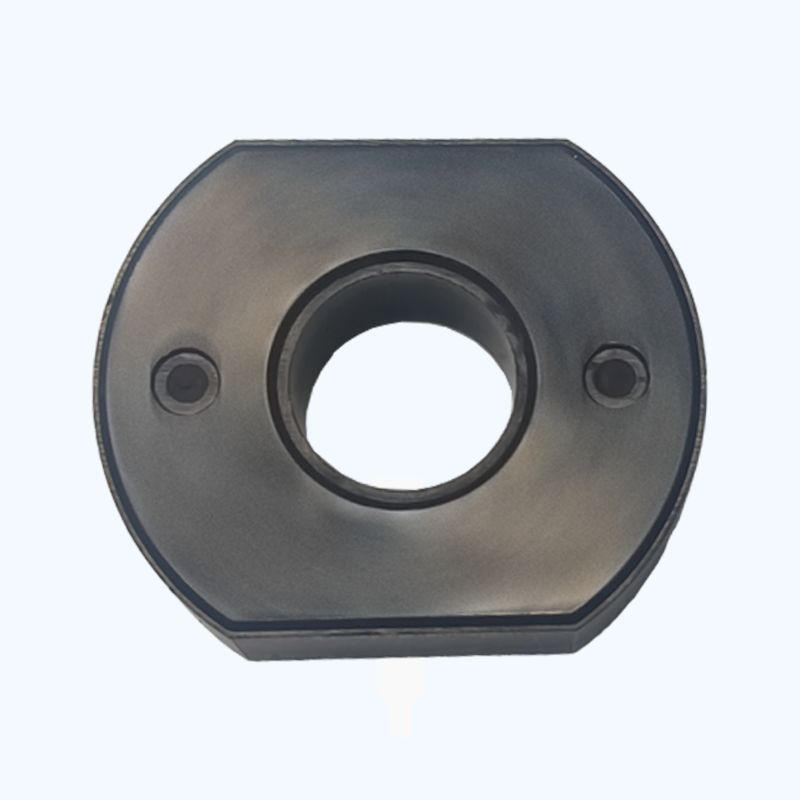
1. What Are Injection Molded Magnets?
Injection molded magnets are permanent magnetic components manufactured by mixing magnetic powder with a suitable polymer binder and forming the compound through an injection molding process.
The magnetic powder provides the magnetic properties, while the binder allows the material to flow into a mold and take the required shape. After molding, the component may undergo additional operations such as magnetization, dimensional inspection, trimming, or other finishing processes according to its design.
The resulting component can be produced in different forms, including:
- Magnetic rings
- Inner rotor magnetic components
- Outer rotor magnetic components
- Water pump rotors
- Multipole magnetic components
- Customized magnetic structures
The actual geometry and magnetic characteristics depend on the selected material system, mold design, processing conditions, and magnetization requirements.
How Are Injection Molded Magnets Different from Sintered Magnets?
The main difference is the manufacturing method.
Sintered magnets are generally produced by forming magnetic powder into a compact and processing it through a high-temperature sintering process. Injection molded magnets combine magnetic powder with a polymer binder and use injection molding to form the component.
| Comparison | Injection Molded Magnets | Sintered Magnets |
|---|---|---|
| Manufacturing process | Magnetic compound is injection molded | Magnetic powder is pressed and sintered |
| Shape flexibility | Suitable for complex molded geometries | Shape depends on pressing and subsequent processing |
| Structural integration | Can support integrated component designs | Often requires separate assembly for additional structures |
| Design considerations | Mold flow, binder, shrinkage and magnetization | Powder processing, sintering and machining |
| Typical applications | Magnetic rings, rotors and customized components | Motor magnets and other permanent magnet components |
Neither manufacturing method is universally better. The appropriate choice depends on the required magnetic performance, component geometry, operating conditions, and production objectives.
2. Main Material Types Used in Injection Molded Magnets
Material selection is one of the first decisions in developing injection molded magnets. Different magnetic powders provide different magnetic characteristics, while the polymer binder and formulation influence processing and mechanical properties.
2.1 Injection Molded Ferrite Magnets
Injection molded ferrite magnets combine ferrite magnetic powder with a suitable polymer binder. They are commonly considered when manufacturers need customized magnetic shapes and a practical balance between magnetic performance and production cost.
Potential applications include:
- Motor magnetic rings
- Brushless motor rotors
- Water pump rotor components
- Fan motor magnetic parts
- Household appliance components
One important advantage of injection molded ferrite is its ability to support complex component geometry. Depending on the mold design, mounting features and other structural details may be incorporated into the molded part.
High Kos offers an injection molded ferrite product range that includes magnetic rings, inner rotors, outer rotors, and water pump rotor components.
2.2 Injection Molded NdFeB Magnets
NdFeB, or neodymium iron boron, is known for its high magnetic performance. When combined with a suitable binder and processed through an injection molding method, it can be used to develop customized magnetic components.
Injection molded NdFeB may be considered when a design requires a particular magnetic output together with a complex shape or integrated structure.
However, material selection must also consider operating temperature, mechanical requirements, corrosion protection, and manufacturing cost. The appropriate material system should be evaluated against the complete application rather than selected based only on magnetic strength.
2.3 Choosing the Right Material
The best material depends on the intended function of the component.
For example, a magnetic ring used in a compact fan motor may have different requirements from a rotor used in a water pump or an automotive sensing component.
During development, engineers should consider:
- Required magnetic performance
- Operating temperature
- Component dimensions
- Mechanical loading
- Environmental exposure
- Manufacturing volume
- Target production cost
A suitable material choice helps ensure that the injection molded magnet can meet the application requirements without unnecessary complexity.
3. How Injection Molded Magnets Are Designed and Manufactured
The manufacturing process begins before the compound enters the molding machine. Product geometry, magnetic requirements, material selection, and mold design must be evaluated together.
3.1 Product Design and Technical Evaluation
The first step is to understand the function of the magnetic component within the final equipment.
For a motor rotor, engineers may need to consider the rotor diameter, installation position, magnetic pole arrangement, and interaction with the stator.
For a water pump rotor, additional considerations may include the surrounding fluid, encapsulation structure, rotating interface, and assembly requirements.
A technical drawing or sample can help the manufacturer evaluate whether the proposed geometry is suitable for injection molding.
3.2 Magnetic Compound Preparation
Magnetic powder is mixed with a suitable polymer binder to create a compound that can be processed through injection molding.
The material formulation affects both magnetic and processing characteristics. Uniform material preparation is important because inconsistent compound properties may lead to variations in the finished components.
The selected compound must be compatible with the product’s required magnetic properties, geometry, and operating environment.
3.3 Mold Design and Injection Molding
The prepared compound is heated and injected into a mold under controlled processing conditions.
Mold design is especially important for injection molded magnets because the material must flow through the mold cavity and form the intended geometry.
Engineers may need to evaluate:
- Mold cavity dimensions
- Gate location
- Material flow paths
- Wall thickness
- Cooling arrangement
- Part release structure
- Expected material shrinkage
These factors influence dimensional consistency and the repeatability of the finished product.
3.4 Magnetization
After molding, the component may require magnetization to create the magnetic field pattern needed for its application.
Depending on the design, the magnet may use different pole numbers and magnetization directions.
For example, a magnetic ring used in a brushless motor may require multiple alternating magnetic poles. A sensing ring may require a specific magnetic pattern to generate the intended signal.
Magnetization requirements should be defined during the product development stage, rather than treated as an afterthought.
3.5 Inspection and Finishing
After molding and magnetization, the component should be checked against the agreed technical requirements.
Inspection items may include:
- Outer diameter and inner diameter
- Axial dimensions
- Surface condition
- Magnetic polarity
- Pole number
- Magnetic field consistency
- Assembly compatibility
Additional finishing or machining may be required depending on the product design.
For customized injection molded magnets, sample approval provides an important reference for subsequent production.
4. Key Design Factors That Affect Injection Molded Magnets
A successful molded magnetic component requires coordination between product geometry, magnetic design, and manufacturing feasibility.
4.1 Geometry and Structural Integration
One of the main reasons to consider injection molded magnets is their ability to support customized shapes.
Depending on the mold design, the magnetic component may incorporate features that help with installation or integration into a larger assembly.
For example, a rotor design may require a particular internal profile or external geometry to fit the motor structure. A sensing ring may need specific dimensions and positioning features.
However, complex geometry should still be evaluated for moldability. Thin sections, uneven wall thickness, and complicated material flow paths may create manufacturing challenges.
4.2 Magnetic Pole Configuration
Magnetic pole configuration determines how the component interacts with other magnetic or electromagnetic elements.
For injection molded magnets used in motors, the number of poles and magnetization direction should correspond to the motor’s design.
The manufacturer and motor designer should clarify the required pole arrangement and inspection method before production.
High Kos also provides information about magnetization technology for magnetic rings, including considerations related to pole patterns and magnetic applications.
4.3 Dimensional Accuracy
Dimensional accuracy is essential when the magnetic component must fit into a compact motor or precision mechanical assembly.
Important dimensions may include:
- Outer diameter
- Inner diameter
- Axial length
- Wall thickness
- Mounting features
- Concentricity and runout
Material shrinkage and mold conditions should be considered during product development. Critical dimensions should be identified in the drawing and verified during inspection.
4.4 Mechanical and Environmental Requirements
The operating environment can influence the selection of the magnetic material and binder system.
For example, a pump rotor may be exposed to a fluid environment, while an automotive motor component may experience temperature changes and vibration.
Engineers should communicate the actual working conditions, including temperature, moisture, fluid composition, and mechanical loading.
The selected material and structure must be evaluated against these conditions.
5. Applications of Injection Molded Magnets
Injection molded magnets are used in a variety of products where customized magnetic geometry and integration are important.
5.1 Brushless Motors and Fan Motors
Brushless motors use permanent magnets to interact with the stator’s magnetic field. Magnetic rings and rotor components are important parts of the motor structure.
Injection molded magnets can be considered for fan motors, small BLDC motors, and other compact drive systems.
The design may require a specific magnetic pole arrangement, rotor dimensions, and mechanical interface.
Explore High Kos’s motor outer rotor product range for examples of magnetic components used in motor structures.
5.2 Water Pumps and Fluid Equipment
Water pumps and fluid circulation systems may use injection molded magnetic rotors to drive the impeller or other fluid-moving components.
In some wet-rotor designs, the magnetic component is integrated into a molded structure that helps isolate the magnet from the surrounding fluid.
Relevant applications may include household circulation pumps, water heater pumps, aquarium pumps, and compact fluid equipment.
High Kos also provides a Water Pump Rotor product category, which includes rotor components for pump-related applications.
5.3 Automotive and New Energy Vehicle Components
Automotive systems use magnetic components in selected motors, actuators, sensors, and auxiliary equipment.
Injection molded magnets may be considered where customized geometry, compact installation, or integration with other component structures is required.
For automotive applications, material compatibility, operating temperature, vibration, and customer-specific validation requirements should be evaluated carefully.
Read more about automotive ferrite magnets and their potential uses in vehicle systems.
5.4 Sensors and Intelligent Equipment
Magnetic rings and multipole magnetic components can be used in sensing systems where magnetic position or rotation information is required.
The magnetic pattern, pole spacing, and dimensional accuracy may influence the signal received by the sensing element.
For these applications, the magnetic component should be designed according to the sensor’s detection principle and installation requirements.
5.5 Household Appliances and Industrial Equipment
Household appliances and industrial equipment use magnetic components in motors, rotating mechanisms, and control systems.
Injection molded magnets may help manufacturers develop customized magnetic shapes that fit specific equipment layouts.
The final component should be evaluated according to its operating conditions, assembly requirements, and production volume.
6. Injection Molded Magnets for Customized Product Development
Standard magnetic components may not meet every product design. When a motor or equipment manufacturer requires a special shape, magnetic pattern, or integrated structure, customized development may be necessary.
A structured development process can help reduce manufacturing risks.
Step 1: Define the application
Explain the equipment type, component function, working environment, and expected operating conditions.
Step 2: Provide drawings or samples
Share product drawings, dimensional requirements, existing samples, or available assembly information.
Step 3: Confirm material and magnetic requirements
Discuss whether ferrite or NdFeB-based materials are suitable. Clarify magnetic output, pole number, and magnetization direction.
Step 4: Evaluate mold design
Review the component geometry, material flow, wall thickness, tooling requirements, and production feasibility.
Step 5: Produce and inspect samples
Check the molded component against the agreed dimensional, magnetic, and assembly requirements.
Step 6: Confirm mass production
After sample approval, establish production specifications, inspection criteria, packaging, and delivery arrangements.
This process helps ensure that injection molded magnets are developed according to the actual product requirements rather than relying on a generic component specification.
7. How to Evaluate an Injection Molded Magnet Supplier
Choosing a suitable supplier is important for both product development and long-term production.
When evaluating a magnetic component manufacturer, consider the following factors:
- Material knowledge: The supplier should understand ferrite and NdFeB-based magnetic materials and their processing differences.
- Mold development: Review whether the manufacturer can evaluate component geometry and tooling feasibility.
- Magnetization capability: Confirm whether the required pole configuration and magnetic pattern can be produced.
- Quality inspection: Discuss dimensional measurement, magnetic inspection, and sample validation.
- Customization communication: The supplier should be able to review drawings and clarify technical requirements.
- Production planning: Confirm tooling schedules, sample approval, order quantities, and delivery arrangements.
High Kos focuses on magnetic materials and customized magnetic components, including injection molded and sintered magnet products.
Its product portfolio includes magnetic rings, motor inner rotors, motor outer rotors, and water pump rotor components. You can explore the High Kos official website to review its product categories and contact the team about specific requirements.
Conclusion
Injection molded magnets provide a flexible manufacturing option for magnetic components that require customized geometry, structural integration, and application-specific magnetization.
From magnetic rings and motor rotors to pump components and sensing elements, these products can support different industrial applications. However, successful development depends on more than the injection molding process itself. Material formulation, mold design, magnetic pole configuration, dimensional accuracy, and environmental requirements must all be considered.
For manufacturers developing motors, pumps, automotive components, and intelligent equipment, the right injection molded magnet should be selected according to the complete application.
High Kos provides magnetic component solutions for different industrial requirements. Contact the team to discuss your product drawings, material options, magnetic specifications, and customized injection molded magnet project.
Frequently Asked Questions About Injection Molded Magnets
1. What are injection molded magnets made of?
Injection molded magnets generally combine magnetic powder with a suitable polymer binder. Ferrite and NdFeB-based magnetic materials may be used depending on the product design and required magnetic performance.
2. What are the main advantages of injection molded magnets?
They can support customized geometries, complex profiles, and integrated component designs. The actual benefits depend on the material, mold design, and application requirements.
3. Are injection molded magnets suitable for motor rotors?
Yes. They may be used in magnetic rings, inner rotors, outer rotors, and other motor components. Pole configuration, dimensions, magnetic characteristics, and mechanical requirements must match the motor design.
4. Can injection molded magnets be produced with multiple magnetic poles?
Yes. Depending on the material and magnetization process, components can be designed with specific magnetic pole arrangements. The required pole number and magnetization direction should be confirmed during development.
5. What is the difference between injection molded ferrite and injection molded NdFeB?
They use different magnetic materials and have different magnetic characteristics. Ferrite may be suitable for applications where its magnetic performance and cost meet the design requirements, while NdFeB may be considered when stronger magnetic output is needed. The final choice depends on the application.
6. What information is needed for a customized injection molded magnet?
Useful information includes product drawings, dimensions, material preference, magnetic requirements, operating temperature, environmental conditions, estimated order quantity, and inspection criteria.
7. How can I evaluate the quality of injection molded magnets?
Evaluate dimensional accuracy, magnetic polarity, pole configuration, surface condition, assembly compatibility, and production consistency. Inspection criteria should be established according to the intended application.
Contact High Kos for Customized Injection Molded Magnets
Are you developing a magnetic ring, motor rotor, water pump rotor, or customized magnetic component?
Contact High Kos to discuss your product design, material selection, magnetization requirements, and manufacturing needs.
Visit www.highkos.com to explore magnetic products and discuss your next injection molded magnets project.