
Introduction to Computer Fan Magnets
Computer fan magnets are key components used in cooling fan motors across desktops, laptops, gaming PCs, servers, and industrial electronic systems. These magnetic parts are responsible for generating the electromagnetic force required to drive rotor movement in brushless DC motors.
In modern electronics, heat generation has become a major challenge due to higher processing power and compact device design. Efficient thermal management depends heavily on stable and reliable cooling systems. High-quality computer fan magnets help ensure smooth motor operation, stable airflow, and improved heat dissipation.
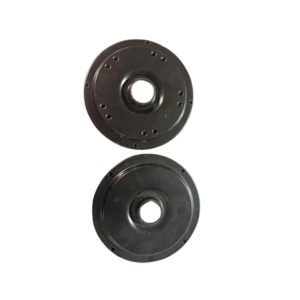
Because of their importance, computer fan magnets are widely used in consumer electronics, data centers, automotive systems, and industrial cooling equipment. They help improve energy efficiency, reduce vibration, and extend fan lifespan.
For professional magnetic solutions and customization services, visit Highkos.
Working Principle of Computer Fan Magnets
How Computer Fan Magnets Drive Cooling Fans
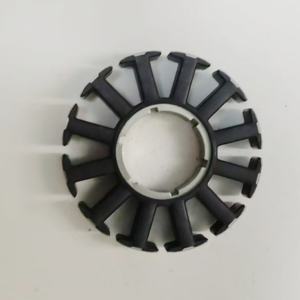
In brushless DC cooling fans, computer fan magnets are mounted on the rotor while electromagnetic coils are placed on the stator. When current flows through the coils, a magnetic field is generated, which interacts with the magnets to produce rotational torque.
This non-contact operation reduces mechanical wear and improves overall efficiency. Compared to traditional brushed motors, systems using computer fan magnets offer quieter operation, higher reliability, and longer service life.
Importance of Magnetic Stability
The performance of computer fan magnets directly influences fan speed, airflow consistency, and energy consumption. Strong and precisely manufactured magnets help maintain stable cooling performance even under heavy workloads.
This is especially important in high-performance systems such as gaming computers, AI servers, and industrial control equipment.
Types of Computer Fan Magnets
Ferrite-Based Computer Fan Magnets
Ferrite materials are widely used in standard cooling fans due to their stable performance and low production cost. These magnets are suitable for general-purpose electronic cooling applications.
Advantages include:
- Cost-effective manufacturing
- Stable magnetic performance
- Good resistance to corrosion
- Suitable for mass production
NdFeB Computer Fan Magnets
NdFeB (neodymium) magnets provide significantly stronger magnetic force and higher energy density compared to ferrite materials. They are widely used in high-performance cooling systems.
Advantages include:
- High magnetic strength
- Compact motor design
- Improved energy efficiency
- Reduced operational noise
- Better rotational stability
Learn more about advanced magnetic solutions at Highkos Magnetic Solutions.
Advantages of High-Quality Computer Fan Magnets
Improved Cooling Efficiency
High-performance magnetic components help cooling fans maintain stable airflow, improving heat dissipation for CPUs, GPUs, and power systems.
Reduced Noise and Vibration
Balanced magnetic systems reduce mechanical vibration, allowing cooling fans to operate more quietly in sensitive environments.
Longer Service Life
Stable magnetic performance reduces motor stress and wear, extending the overall lifespan of cooling fan systems.
Energy Efficiency
Efficient magnetic design allows fans to deliver higher airflow with lower power consumption, supporting energy-saving electronic designs.
Compact Design Capability
Stronger magnetic materials enable smaller and lighter fan motors without compromising cooling performance.
Manufacturing Process of Computer Fan Magnets
Material Selection
Manufacturing begins with selecting suitable magnetic materials based on required performance, temperature resistance, and durability.
Forming and Magnetization
Magnets are produced through injection molding, compression molding, or sintering. After forming, they are magnetized to create alternating poles required for motor operation.
Quality Control
Strict inspection ensures dimensional accuracy, magnetic strength consistency, and long-term stability. This is critical for ensuring reliable cooling performance in electronic devices.
Professional manufacturing support is available at Highkos Magnet Manufacturer.
Applications of Computer Fan Magnets
Computer fan magnets are used in a wide range of electronic cooling systems, including:
- Desktop PC cooling fans
- Laptop thermal systems
- Gaming PC cooling modules
- GPU cooling systems
- Server and data center cooling
- Power supply cooling units
- Automotive electronics
- Industrial ventilation systems
- Telecommunications equipment
- Smart home devices
As electronic performance continues to increase, demand for efficient cooling technology continues to grow.
Future Trends of Computer Fan Magnets
The development of cooling technology is driving innovation in magnetic materials. Future trends include:
- Higher magnetic efficiency
- Lower energy consumption
- Reduced acoustic noise
- Improved heat resistance
- Smaller and lighter motor designs
These improvements support the growing demand for AI computing, cloud infrastructure, and high-performance consumer electronics.
Conclusion
Computer fan magnets play a critical role in modern cooling systems by ensuring stable airflow, efficient energy use, and reliable motor operation. High-quality magnetic components improve cooling performance, reduce noise, and extend device lifespan.
As electronic systems continue to evolve, the importance of efficient and durable cooling solutions will continue to grow. Choosing the right magnetic materials is essential for long-term performance and reliability.
If you are looking for customized computer fan magnets with stable quality and professional engineering support, contact Highkos Official Website today to discuss your project requirements and get tailored magnetic solutions.
FAQ
What are computer fan magnets used for?
They are used in brushless cooling fan motors to generate rotational force and maintain stable airflow for heat dissipation.
What materials are commonly used for computer fan magnets?
Ferrite and NdFeB materials are the most common, depending on performance and cost requirements.
Why are magnets important in cooling fans?
They determine motor efficiency, airflow stability, noise level, and overall cooling performance.
Which magnet type is better for performance?
NdFeB magnets offer higher performance, while ferrite magnets are more cost-effective.
Where are cooling fan magnets commonly used?
They are widely used in computers, servers, gaming systems, automotive electronics, and industrial cooling equipment.