
Modern ceiling fans have evolved from simple air circulation devices into highly efficient, energy-saving, and durable home and industrial solutions. The performance of these fans heavily depends on the quality of their internal motors. At the heart of these motors lies a critical component: the Ceiling Fan Motor Magnet. This component plays a key role in generating torque, ensuring stability, and maintaining energy-efficient performance over the motor’s lifespan.
Manufacturers of ceiling fans, HVAC systems, and certain home appliances prioritize Ceiling Fan Motor Magnets because they directly influence energy consumption, noise levels, and mechanical reliability. Selecting the right magnet and supplier ensures that fans meet both performance and safety standards.
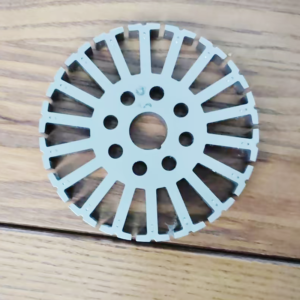
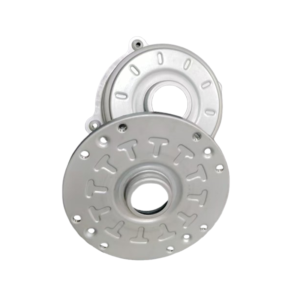
The Critical Role of the Ceiling Fan Motor Magnet
The Ceiling Fan Motor Magnet is typically mounted on the rotor and interacts with the stator to create rotational motion. Its magnetic strength, alignment, and long-term stability are critical factors that determine:
-
Motor torque output
-
Energy efficiency
-
Vibration levels
-
Operational noise
-
Overall lifespan
High-quality magnets ensure that the motor operates smoothly under varying loads, even when fans run continuously in commercial or industrial environments. By contrast, poorly manufactured magnets can result in uneven torque, higher energy consumption, and premature wear of the motor components.
Types of Materials Used in Ceiling Fan Motor Magnets
Selecting the right material for a Ceiling Fan Motor Magnet is essential for achieving optimal performance. The two most common materials are:
1. Neodymium (NdFeB) Magnets
-
High magnetic energy density: NdFeB magnets provide strong torque for compact motors.
-
Excellent efficiency: Ideal for premium ceiling fans requiring low energy consumption.
-
Durable: Resistant to demagnetization under high temperature and continuous operation.
2. Ferrite Magnets
-
Cost-effective: Suitable for budget-friendly fan models.
-
Moderate performance: Provides adequate torque for general applications.
-
High corrosion resistance: Useful in environments with humidity or exposure to air moisture.
Advanced ceiling fan motors sometimes combine different magnetic materials to balance cost, efficiency, and performance requirements.
Manufacturing Process of Ceiling Fan Motor Magnets
The production of high-performance Ceiling Fan Motor Magnets involves precise processes to ensure consistency and reliability.
1. Design and Simulation
Before manufacturing, engineers design the magnet using CAD software. Finite Element Analysis (FEA) simulates the magnetic field interaction with the rotor and stator, ensuring optimal torque and minimal vibration.
2. Material Preparation
The raw magnetic powders are carefully mixed and pressed into the desired shape. Strict quality control ensures uniform density and magnetic properties across all produced magnets.
3. Sintering or Injection Molding
Depending on the design, magnets undergo either:
-
Sintering: Suitable for NdFeB magnets; provides high-density and stable magnetic properties.
-
Injection Molding: Common for ferrite magnets; allows complex shapes and cost-effective mass production.
4. Magnetization and Testing
Magnets are magnetized using controlled magnetic fields and then tested for:
-
Magnetic strength
-
Polarity accuracy
-
Dimensional tolerances
-
Thermal stability
Only magnets that meet stringent specifications become part of high-performance ceiling fan motors.
5. Surface Protection
Magnets are coated to protect against corrosion and wear. Common coatings include nickel, epoxy, or zinc layers, which enhance durability and ensure long-term stability.
Applications of Ceiling Fan Motor Magnets Across Industries
The Ceiling Fan Motor Magnet is widely used in residential, commercial, and industrial environments.
1. Residential Ceiling Fans
High-quality magnets ensure:
-
Quiet operation for bedrooms and living spaces
-
Energy efficiency, reducing electricity bills
-
Long-lasting performance for continuous use
2. Commercial Ceiling Fans
Offices, restaurants, and public facilities benefit from fans with precise magnets that maintain stable airflow and reduce maintenance costs.
3. Industrial Ventilation Systems
In factories, warehouses, and HVAC systems, Ceiling Fan Motor Magnets must handle high loads and continuous operation. Precise magnetic components reduce vibration and enhance motor life, even under challenging conditions.
4. Home Appliances
Some appliances, such as air purifiers, small ventilation units, and cooling devices, also use ceiling fan motors. High-quality magnets improve energy efficiency and ensure quiet operation.
Choosing the Right Ceiling Fan Motor Magnet Supplier
Selecting a professional supplier is critical to achieving consistent quality. Key factors include:
-
Manufacturing expertise – Experience in producing high-performance magnetic components.
-
Material quality – Use of premium NdFeB or ferrite powders.
-
Customization ability – Tailoring magnet shapes, sizes, and pole configurations to specific motor designs.
-
Testing and Quality Assurance – Rigorous inspection ensures magnets meet thermal, mechanical, and magnetic standards.
-
Technical support – Suppliers should assist with motor design optimization and performance testing.
Partnering with a reliable supplier ensures your Ceiling Fan Motor Magnets enhance motor efficiency, reduce noise, and extend lifespan.
Advantages of High-Quality Ceiling Fan Motor Magnets
-
Energy Efficiency: Reduce electrical consumption without compromising performance.
-
Quiet Operation: Stable magnetic fields minimize vibrations and noise.
-
Durability: Magnets maintain performance over thousands of operating hours.
-
Customizability: Magnet shapes and magnetization patterns can be tailored to motor designs.
High-quality magnets not only improve fan performance but also reduce maintenance costs and increase customer satisfaction.
Case Study: Improving Fan Motor Efficiency
A commercial fan manufacturer partnered with a professional magnet supplier to replace standard magnets with precision-engineered Ceiling Fan Motor Magnets. Results included:
-
15% reduction in energy consumption
-
25% quieter operation
-
30% longer motor lifespan
-
Reduced warranty claims by 20%
This demonstrates how quality magnets directly impact fan performance and operational costs.
Conclusion
The Ceiling Fan Motor Magnet is a vital component in modern ceiling fan motors, determining efficiency, stability, and durability. High-quality magnets are essential across residential, commercial, and industrial applications. By partnering with a trusted manufacturer, fans can achieve optimal performance, energy savings, and extended lifespan.
Take Action Today
Developing high-performance ceiling fan motors requires precision Ceiling Fan Motor Magnets. Explore our magnetic solutions to enhance your fan performance. Contact Highkos today to discuss your project and receive a custom solution for your ceiling fan motors.
FAQ
What is a Ceiling Fan Motor Magnet used for?
It generates a uniform magnetic field that interacts with the rotor and stator, enabling smooth, quiet, and energy-efficient fan operation.
Which materials are used?
NdFeB magnets for high performance, ferrite for cost-effective applications, and sometimes hybrid combinations.
Can Ceiling Fan Motor Magnets be customized?
Yes. Shape, pole configuration, magnetization pattern, and protective coatings can all be tailored.
What types of fans use these magnets?
Residential ceiling fans, commercial ventilation fans, industrial fans, and some home appliances.
How does magnet quality affect motor performance?
High-quality magnets reduce vibration, noise, energy consumption, and extend the motor’s operational lifespan.