
Modern ceiling fans rely on advanced motor technology to deliver quiet operation, stable airflow, and improved energy efficiency. One of the most important elements behind this performance is the ceiling fan magnetic field. By using permanent magnets and electromagnetic interaction, today’s ceiling fans can achieve smoother rotation, lower power consumption, and longer service life compared with traditional fan systems.
As smart home appliances continue to evolve, understanding the role of the ceiling fan magnetic field helps manufacturers and consumers appreciate how modern fan motors achieve high efficiency and reliable operation.
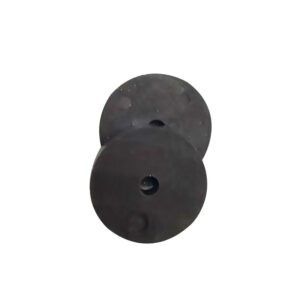
What Is a Ceiling Fan Magnetic Field?
A ceiling fan magnetic field refers to the magnetic force generated inside the fan motor during operation. This magnetic field is created through the interaction between permanent magnets and electromagnetic coils.
In modern brushless DC motors and high-efficiency fan systems, the ceiling fan magnetic field controls rotor movement without direct mechanical contact. This design improves operational stability while reducing friction and wear.
The magnetic field continuously changes direction as electricity flows through the motor coils, causing the rotor to rotate smoothly and generate airflow.
How the Ceiling Fan Magnetic Field Works
Interaction Between Magnets and Coils
Inside the motor, permanent magnets are mounted on the rotor while copper coils are installed on the stator. When electric current passes through the coils, a changing magnetic field is generated.
The ceiling fan magnetic field attracts and repels the permanent magnets in sequence, creating continuous rotational movement. This electromagnetic interaction allows the fan blades to spin efficiently and quietly.
Magnetic Field Control in Brushless Motors
Many modern ceiling fans use brushless DC motors because they provide better control over the ceiling fan magnetic field. Electronic controllers precisely regulate current flow, allowing smoother speed adjustment and lower energy consumption.
Compared with traditional brushed motors, brushless systems generate less noise and require less maintenance because there are no carbon brushes wearing out during operation.
Advantages of Ceiling Fan Magnetic Field Technology
Quiet Operation
One major benefit of advanced ceiling fan magnetic field systems is reduced operational noise. Because the motor relies on magnetic interaction rather than direct mechanical contact, vibration and friction are minimized.
This makes modern ceiling fans ideal for bedrooms, offices, libraries, and other quiet indoor environments.
Higher Energy Efficiency
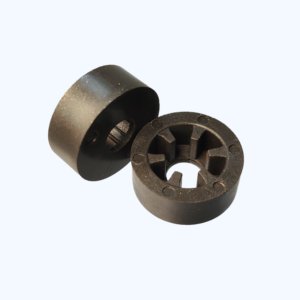
Efficient magnetic field design helps reduce energy loss inside the motor. Strong NdFeB magnets can generate powerful magnetic force while consuming less electricity.
As a result, ceiling fans using optimized ceiling fan magnetic field technology often consume significantly less power than older AC fan systems.
Longer Service Life
Since magnetic drive systems reduce physical wear, components inside the motor experience less mechanical stress. This improves durability and extends the operational lifespan of the fan.
Many high-quality ceiling fans can operate for years with minimal maintenance.
Smooth Speed Regulation
Modern electronic controllers can accurately manage the ceiling fan magnetic field to provide stable speed control. Users can enjoy multiple wind settings, stepless speed adjustment, and smart automation functions.
This technology is commonly used in smart home ceiling fans with remote control and IoT connectivity.
Types of Magnets Used in Ceiling Fans
NdFeB Magnets
NdFeB magnets are widely used in modern ceiling fan motors because of their strong magnetic performance and compact size. These magnets help create a stable ceiling fan magnetic field while keeping the motor lightweight and energy efficient.
Ferrite Magnets
Some standard fan motors still use ferrite magnets due to their lower cost. Although ferrite magnets provide weaker magnetic force than NdFeB magnets, they remain suitable for basic fan applications.
Ceiling Fan Magnetic Field in Smart Home Systems
Smart ceiling fans increasingly rely on advanced magnetic sensing and motor control technologies. Hall sensors are often combined with the ceiling fan magnetic field to monitor rotor position and optimize motor efficiency.
This allows features such as:
- Intelligent speed adjustment
- Quiet nighttime operation
- Energy-saving modes
- Voice control integration
- Remote smartphone operation
As smart appliances become more popular, magnetic field technology continues to play an important role in improving fan performance and user experience.
Factors Affecting Ceiling Fan Magnetic Field Performance
Several factors influence the effectiveness of a ceiling fan magnetic field, including:
- Magnet material quality
- Coil winding precision
- Motor controller design
- Rotor balance
- Air gap distance
- Thermal management
Proper engineering optimization helps manufacturers achieve better airflow, lower noise, and higher motor efficiency.
Future Trends in Ceiling Fan Magnetic Field Technology
The future of ceiling fan magnetic field design focuses on:
- Higher energy efficiency
- Smaller and lighter motors
- Smarter electronic control systems
- Improved magnetic materials
- Lower operational noise
- Enhanced IoT integration
As technology advances, magnetic motor systems will continue to improve the performance of residential, commercial, and industrial ceiling fans.
Conclusion
The ceiling fan magnetic field is the core driving force behind modern fan motor performance. By combining permanent magnets, electromagnetic coils, and intelligent motor control systems, manufacturers can create ceiling fans that are quieter, more energy-efficient, and more durable.
From brushless DC motors to smart home integration, magnetic field technology continues to transform the ceiling fan industry. High-performance magnetic materials such as NdFeB magnets play a critical role in achieving efficient airflow and reliable long-term operation.
For advanced magnetic solutions used in ceiling fan motors and smart appliance applications, visit Highkos to explore professional magnetic component technologies.
FAQ
What is a ceiling fan magnetic field?
A ceiling fan magnetic field is the magnetic force generated inside the motor through the interaction of permanent magnets and electromagnetic coils.
Why is magnetic field technology important in ceiling fans?
It improves motor efficiency, reduces noise, lowers energy consumption, and extends fan lifespan.
What magnets are commonly used in ceiling fan motors?
NdFeB magnets and ferrite magnets are commonly used in ceiling fan motor systems.
Are brushless ceiling fans more efficient?
Yes. Brushless ceiling fans provide better energy efficiency, quieter operation, and lower maintenance requirements.
How do Hall sensors help ceiling fans?
Hall sensors monitor rotor position and help control the motor’s magnetic field for smoother and more efficient operation.