
Author | High Kos Magnet
Updated | December 2025
Introduction: Why Choosing the Right Rotor Magnet Matters More Than Ever
As electric motors continue to evolve in 2025, manufacturers are facing a dual challenge: achieving higher efficiency and performance while simultaneously controlling cost and ensuring long-term reliability. Against this background, the importance of selecting the right rotor magnet has never been greater.
The magnetic rotor element is not just a functional component—it is a core performance driver. Its magnetic strength, thermal stability, mechanical integrity, and dimensional accuracy directly influence motor torque, speed control, energy consumption, noise level, and overall lifespan. In many cases, motor failures or performance issues can be traced back to an unsuitable rotor magnet choice rather than motor design itself.
With growing demand in industries such as electric vehicles, industrial automation, household appliances, and energy-efficient fan motors, engineers and procurement teams must rethink how they evaluate magnetic rotor element solutions. This article provides a practical, future-oriented guide on how to choose the right rotor magnet for electric motors in 2025, helping decision-makers balance performance, reliability, and cost with confidence.
What Is a Rotor Magnet and Its Role in Electric Motors
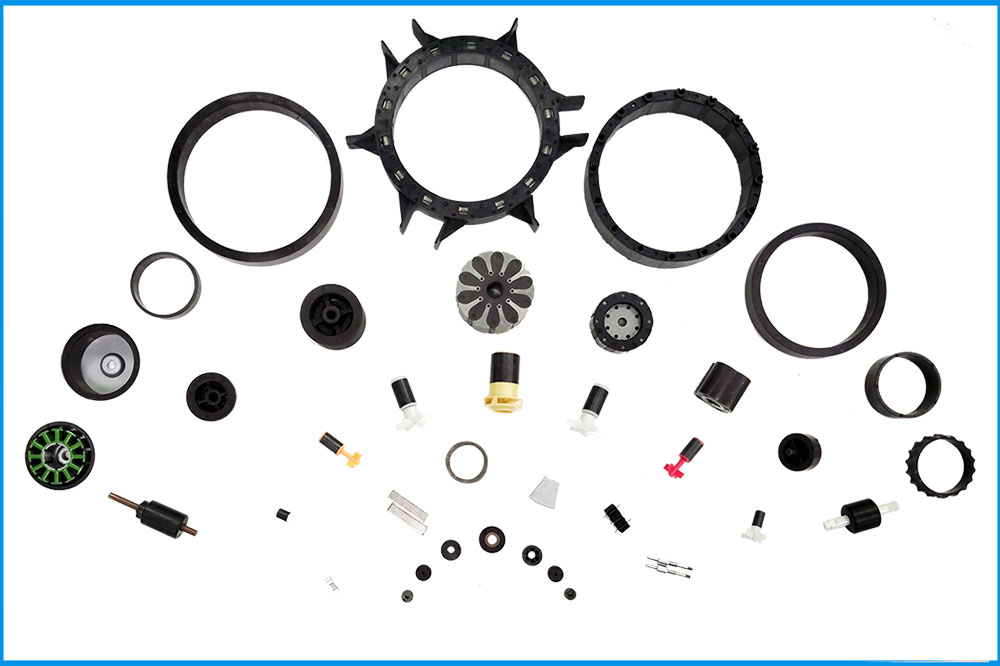
A magnetic rotor element is a permanent magnet mounted on or integrated into the rotating part of an electric motor. It interacts with the stator’s electromagnetic field to generate continuous rotational motion, forming the core mechanism that converts electrical energy into mechanical output. While the basic concept of a rotor magnet may appear straightforward, the actual engineering requirements behind its performance have become far more complex in recent years.
Modern electric motors demand magnetic rotor elements that can operate reliably under higher rotational speeds, elevated operating temperatures, and increasingly compact mechanical structures. As motor designs pursue higher power density and improved energy efficiency, magnetic rotor elements are exposed to stronger centrifugal forces, greater thermal stress, and tighter dimensional tolerances. Even small variations in magnetic properties or physical dimensions can lead to performance instability, increased vibration, or efficiency loss.
As motors continue to shrink in size while delivering greater output, the margin for error in magnetic rotor element selection has become extremely narrow. This shift means that rotor magnets can no longer be treated as standardized components. Instead, they must be carefully selected and engineered to match specific motor designs, operating conditions, and performance expectations, ensuring long-term stability and reliable motor operation.
Core Functions of a Rotor Magnet
A well-designed magnetic rotor element is responsible for:
-
Generating a stable and uniform magnetic field
-
Converting electromagnetic energy into mechanical torque
-
Supporting smooth and quiet motor operation
-
Maintaining magnetic performance over long service life
In advanced motor types such as BLDC motors, servo motors, and EV drive motors, the magnetic rotor element is no longer a passive part. Instead, it is a precisely engineered component that directly affects system efficiency, dynamic response, and reliability.
Key Factors to Consider When Choosing a Rotor Magnet in 2025
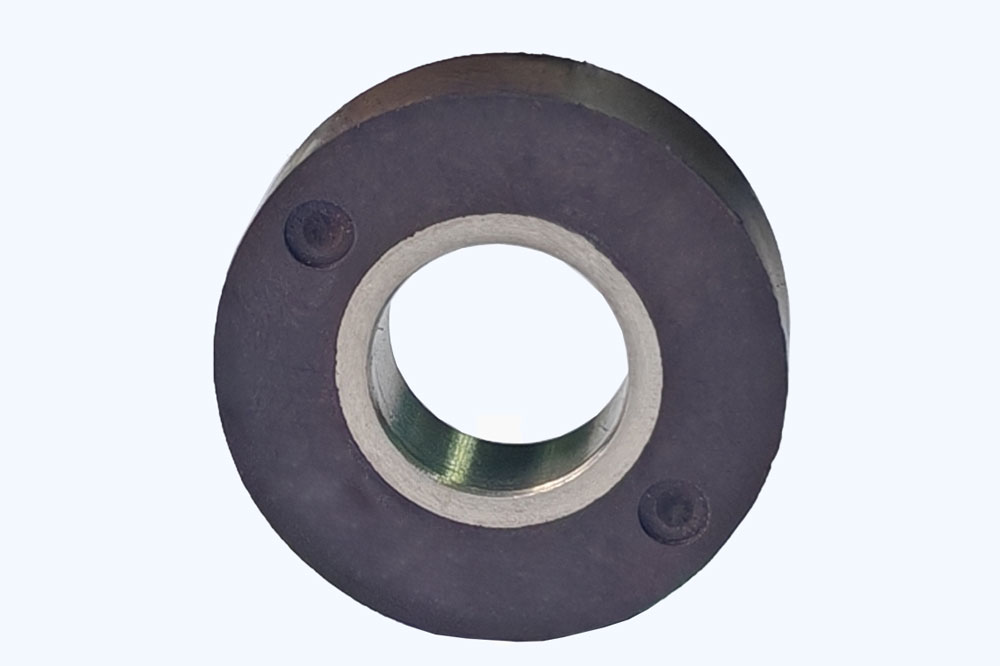
Choosing a rotor magnet in 2025 requires a holistic evaluation that goes far beyond basic magnet strength. While magnetic force remains an important parameter, it is no longer sufficient as a single decision factor in modern motor design. Manufacturers must carefully assess how the magnetic rotor element interacts with the electrical, thermal, and mechanical characteristics of the entire motor system.
From an electrical perspective, the magnetic rotor element influences torque generation, efficiency, and current consumption under different load conditions. Thermally, the magnet must maintain stable magnetic performance as operating temperatures fluctuate during continuous or high-duty operation. Inadequate thermal matching can lead to gradual demagnetization, reduced output, and long-term reliability issues.
Mechanically, the magnetic rotor element must withstand centrifugal force, vibration, and repeated start-stop cycles without cracking, shifting, or losing balance. These mechanical factors become especially critical as motors operate at higher speeds and are designed with more compact structures. As a result, successful rotor magnet selection in 2025 depends on understanding the interaction between magnetic properties, operating environment, and motor structure, ensuring that the magnet performs consistently throughout the motor’s entire service life.
Magnetic Performance Requirements of Rotor Magnet
Magnetic performance remains the foundation of magnetic rotor element selection and serves as the starting point for all subsequent design decisions. Among the most critical parameters are residual flux density (Br), coercivity (Hcj), and maximum energy product (BHmax). Together, these values define the magnetic strength, stability, and overall energy efficiency of a rotor magnet. They directly influence how much torque the motor can generate, how efficiently magnetic energy is utilized, and how well the rotor magnet can resist demagnetization when exposed to electrical load, temperature rise, or external magnetic fields.
In high-performance motors, such as servo motors or traction motors, magnetic rotor elements with high magnetic energy density are often required to achieve compact size and high torque output. However, in cost-sensitive or long-duty applications, maximum magnetic strength may not be the primary goal. Instead, consistent magnetic performance, thermal stability, and long-term reliability become more important considerations.
Selecting the correct balance between magnetic strength and stability helps manufacturers avoid overdesign, which can unnecessarily increase material costs and production complexity. A well-matched rotor magnet ensures efficient motor operation, reduces energy loss, and supports reliable performance throughout the motor’s service life.
Operating Temperature and Thermal Stability of Rotor Magnet
Temperature is one of the most underestimated factors in magnetic rotor element selection. During continuous operation, motors generate heat that can significantly affect magnetic performance.
NdFeB magnetic rotor elements deliver excellent magnetic strength but must be carefully graded to withstand elevated temperatures. Ferrite rotor magnets, on the other hand, provide outstanding thermal stability and are less susceptible to irreversible demagnetization. Injection molded magnetic rotor elements offer additional advantages in environments with frequent temperature fluctuations due to their material uniformity.
Matching the rotor magnet to the motor’s thermal profile is essential for ensuring long-term reliability.
Mechanical Strength and Structural Integrity of Rotor Magnet
Rotor magnets must endure substantial mechanical stress during operation, including centrifugal forces at high rotational speeds and continuous vibration. Brittle or poorly bonded magnets can crack or shift, leading to catastrophic motor failure.
Injection molded rotor magnets provide superior mechanical integrity by combining magnetic powder with polymer binders. This structure improves impact resistance and dimensional stability, making them ideal for high-speed and compact motor designs where safety and durability are critical.
Rotor Magnet Material Comparison for Electric Motors
NdFeB Rotor Magnet – High Performance Choice
NdFeB magnetic rotor elements remain the preferred choice for motor applications that demand high torque output and compact structural design. Thanks to their exceptionally high magnetic energy density, NdFeB rotor magnets enable motor designers to achieve greater power density while reducing overall motor size and weight. This advantage is particularly valuable in applications where space is limited or where lightweight design contributes directly to system efficiency and performance.
By using NdFeB rotor magnets, manufacturers can optimize motor geometry, shorten magnetic paths, and improve torque response without compromising output capability. As a result, these magnets are widely applied in advanced motor systems such as BLDC motors, servo motors, and electric vehicle drive motors, where performance requirements are especially demanding.
However, NdFeB rotor magnets are inherently sensitive to operating temperature and environmental conditions, particularly corrosion. Improper grade selection or inadequate surface protection can lead to magnetic degradation over time. This makes factors such as magnet grade, coating selection, and supplier engineering capability especially critical. When properly engineered and matched to the application environment, NdFeB rotor magnets deliver outstanding efficiency, high power density, and stable long-term performance even in challenging operating conditions.
Ferrite Rotor Magnet – Cost-Effective and Stable
Ferrite rotor magnets are highly valued for their cost stability, strong corrosion resistance, and reliable performance in high-temperature operating environments. Unlike rare-earth magnets, ferrite materials are less affected by raw material price fluctuations, making them a stable and predictable choice for large-scale motor production. Their inherent resistance to corrosion also reduces the need for complex surface coatings, which helps simplify manufacturing and long-term maintenance.
Although the magnetic strength of ferrite rotor magnets is lower than that of NdFeB, continuous advances in motor design and electromagnetic optimization have significantly narrowed the performance gap. Through improved stator design, optimized air-gap geometry, and efficient magnetic circuit layout, ferrite rotor magnets can meet many torque and efficiency requirements effectively.
As a result, ferrite rotor magnets are widely used in fan motors, pumps, and household appliances where reliability, low acoustic noise, and long service life are more critical than achieving maximum torque density. In these applications, ferrite rotor magnets offer a balanced solution that delivers consistent performance, thermal stability, and cost efficiency over extended operating periods.
Injection Molded Rotor Magnet vs Sintered Rotor Magnet
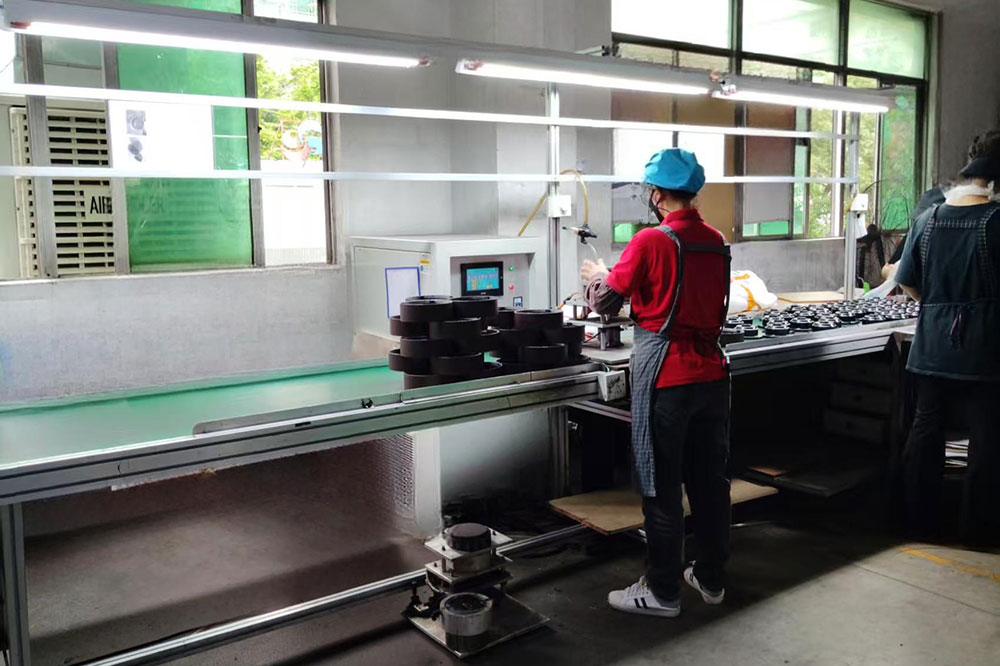
Injection molded rotor magnets are increasingly adopted across the motor industry due to their exceptional design flexibility and high production efficiency. This manufacturing technology allows engineers to create complex geometries, thin-wall structures, and integrated functional features—such as hubs, shafts, or mounting elements—that are difficult or impossible to achieve with traditional sintered magnets. In addition, injection molded rotor magnets offer excellent dimensional consistency, making them well suited for automated assembly and high-volume production.
The uniform material structure of injection molded rotor magnets also contributes to improved mechanical strength and impact resistance. This is especially important in high-speed or compact motor designs, where magnets are exposed to significant centrifugal force and vibration. Consistent tolerances help reduce imbalance, lower noise levels, and improve overall motor reliability.
Sintered rotor magnets, while still essential in certain high-flux-density applications, are generally more brittle and limited in achievable shapes. They often require additional machining or assembly steps, which can increase production complexity. As a result, the choice between injection molded and sintered rotor magnet technologies ultimately depends on specific application requirements, targeted production volume, and the desired level of manufacturing automation.
Rotor Magnet Design Considerations for Modern Motors
Rotor Magnet Geometry and Magnetization Pattern
Advanced rotor magnet designs focus on optimizing magnetic field distribution. Multi-pole and segmented magnetization patterns reduce torque ripple, improve efficiency, and enhance motor smoothness.
Proper magnetization design ensures that the rotor magnet delivers consistent performance across the motor’s entire operating range.
Rotor Magnet Balance and Assembly Precision
Rotor magnet imbalance can lead to vibration, increased noise, and premature bearing wear. High-precision manufacturing and strict quality control are essential to ensure stable operation, especially in high-speed motors.
Injection molded rotor magnets offer excellent balance consistency, reducing assembly complexity and improving production yield.
Application-Specific Rotor Magnet Selection
Rotor Magnet for BLDC Motors
BLDC motors demand rotor magnets with high coercivity and precise dimensional control. Injection molded NdFeB rotor magnets are often preferred for their balance of magnetic performance and mechanical reliability.
Rotor Magnet for Fan Motors and Home Appliances
In fan motors, cost efficiency, noise reduction, and durability are key considerations. Ferrite and injection molded ferrite rotor magnets provide reliable performance while maintaining competitive cost structures.
Rotor Magnet for EV and High-Efficiency Motors
EV motors operate under extreme conditions, requiring rotor magnets with high energy density, thermal resistance, and long-term stability. Advanced NdFeB rotor magnets with optimized coatings are essential to meet these demands.
Common Mistakes When Choosing a Rotor Magnet
Many manufacturers underestimate the importance of matching rotor magnet properties to real operating conditions, relying instead on theoretical specifications or overly conservative design assumptions. Over-specification is a common result of this approach. Selecting rotor magnets with unnecessarily high grades or magnetic strength can significantly increase material and production costs without delivering proportional performance benefits. In large-scale production, this cost increase is often multiplied across thousands or millions of units.
On the other hand, under-specification presents an even greater risk. Choosing a rotor magnet that cannot withstand actual operating temperatures, load conditions, or mechanical stress often leads to reduced torque, efficiency loss, or gradual demagnetization over time. These issues may not be immediately visible during initial testing but can surface later in the product lifecycle, resulting in customer complaints, higher warranty costs, and damage to brand reputation.
Another common mistake is selecting suppliers without sufficient motor application experience. Reliable magnetic rotor element selection requires not only material expertise but also a system-level understanding of motor design, operating environment, and production processes. Suppliers with deep application knowledge can help identify risks early and provide optimized solutions that ensure stable, long-term motor performance.
How Rotor Magnet Selection Impacts Total Motor Lifecycle Cost
Rotor magnet selection directly influences energy efficiency, maintenance cost, and overall product reliability throughout the motor’s lifecycle. A well-matched magnetic rotor element ensures stable magnetic performance under real operating conditions, which helps reduce electrical losses and improve energy conversion efficiency. When the magnetic field remains consistent, the motor operates more smoothly, draws less current, and generates less excess heat, all of which contribute to lower operating costs.
In addition, selecting the appropriate magnetic rotor element minimizes the risk of premature failure caused by demagnetization, mechanical imbalance, or thermal stress. This leads to reduced maintenance frequency, fewer unexpected breakdowns, and shorter downtime, which is especially important in industrial and high-duty applications where reliability directly affects productivity.
Injection molded magnetic rotor elements, in particular, provide high consistency in both magnetic properties and dimensional accuracy. This consistency helps reduce rejection rates during motor assembly and testing, improving overall production yield. Over the long term, such stability supports better cost control in mass production by lowering scrap rates, simplifying quality management, and ensuring predictable motor performance across large production batches.
Why Choose High Kos Magnet as Your Rotor Magnet Partner
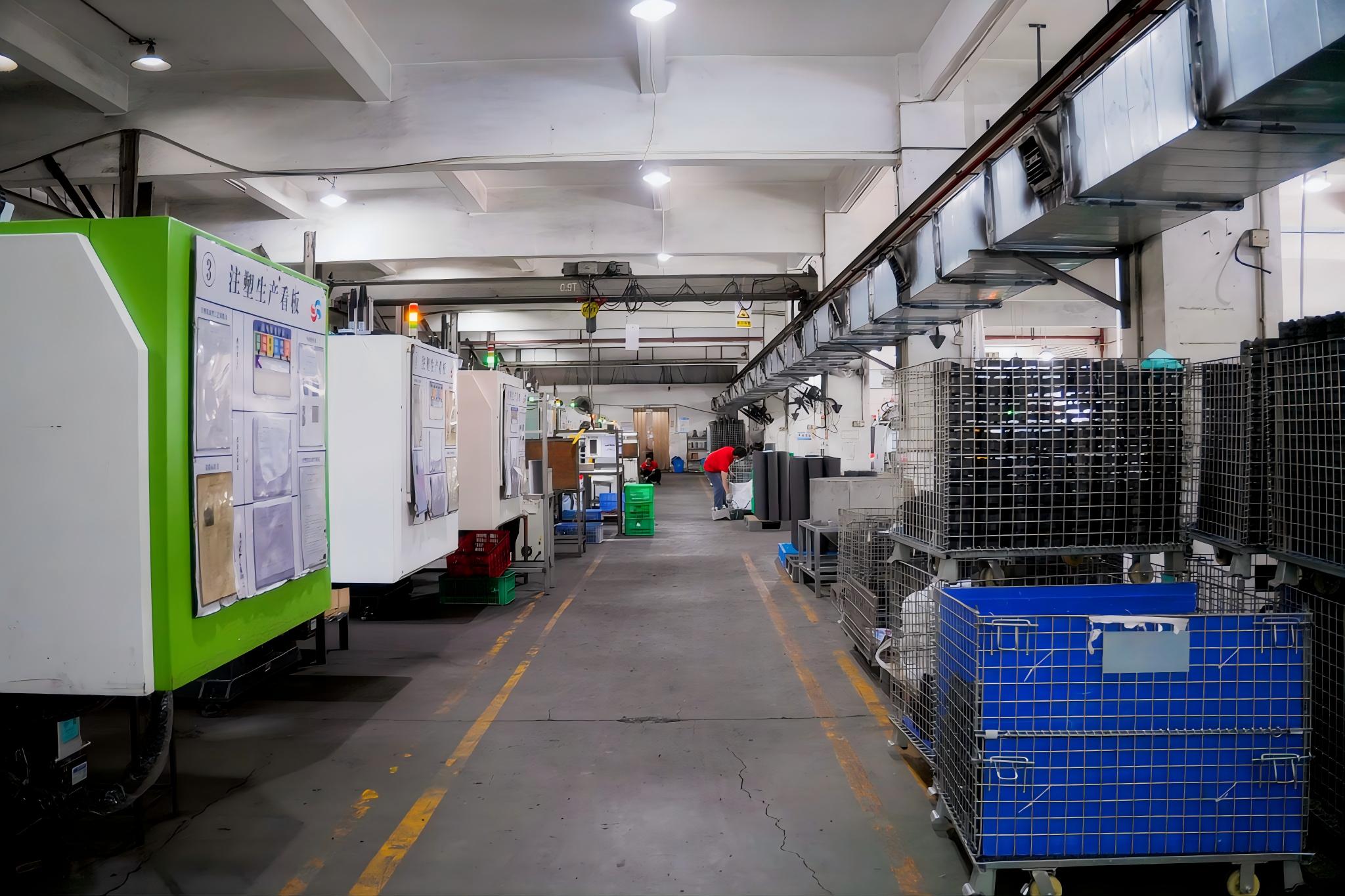
Zhongshan High Kos Electronics Technology Co., Ltd. specializes in injection molded and sintered magnetic rotor element solutions designed for a wide range of electric motor applications. Backed by strong in-house R&D capabilities and advanced manufacturing equipment, High Kos Magnet is able to support customers throughout the entire project lifecycle, from early-stage design optimization and material selection to stable mass production and long-term supply.
The company works closely with motor manufacturers to understand specific performance requirements, operating environments, and cost targets. Through this collaborative approach, High Kos Magnet provides tailored magnetic rotor element solutions that align precisely with real-world application needs. Advanced production processes and strict quality control systems ensure consistent magnetic performance, dimensional accuracy, and reliable product quality across large production volumes.
By focusing on quality consistency, customization, and application-driven solutions, High Kos Magnet helps motor manufacturers improve efficiency, reduce production risk, and control total ownership cost. This commitment makes High Kos Magnet a reliable long-term partner for customers seeking stable performance and sustainable competitiveness in the global motor market.
Rotor Magnet FAQ – Answers Buyers Care About
The FAQ section further addresses common technical and sourcing concerns that engineers and procurement teams frequently encounter during magnetic rotor element selection. By providing clear and practical answers to these questions, this section helps readers better understand critical topics such as material selection, performance trade-offs, manufacturing tolerances, and application-specific considerations. Instead of relying on fragmented information from multiple sources, decision-makers can quickly access reliable guidance in one structured format.
For engineers, the FAQ content helps clarify technical uncertainties related to magnetic properties, operating temperature limits, mechanical reliability, and long-term performance stability. For procurement teams, it offers valuable insight into supplier qualification, quality consistency, and cost-control considerations. This combination ensures that both technical and commercial perspectives are addressed simultaneously.
By bridging the gap between engineering requirements and purchasing decisions, the FAQ section enables teams to evaluate magnetic rotor element solutions more efficiently. As a result, engineers and buyers can make informed decisions with greater confidence, reduce project risk, and move forward with solutions that are better aligned with real application needs and long-term business objectives
Conclusion – Choosing the Right Rotor Magnet Is a Strategic Decision
In 2025, selecting the right magnetic rotor element is a strategic investment. By carefully evaluating material, design, and supplier capability, manufacturers can enhance performance, reduce risk, and strengthen competitiveness.
Call to Action
If you are looking for a reliable magnetic rotor element manufacturer with deep motor application expertise, contact High Kos Magnet today to discuss your project and receive a customized magnetic rotor element solution.