
Author | High Kos Magnet
Updated | December 2025
In 2025, global manufacturing and product innovation are being reshaped by rising expectations for energy efficiency, compact system design, and long-term operational reliability. As industries continue to evolve toward smarter, lighter, and more sustainable solutions, the role of high-performance magnetic materials has become increasingly critical. Across key sectors such as electric vehicles, renewable energy systems, industrial automation, medical equipment, and consumer electronics, ndfeb magnets have emerged as one of the most indispensable functional materials. Their outstanding magnetic strength enables engineers to deliver powerful and stable performance while significantly reducing component size, overall weight, and energy consumption. This combination of strength and efficiency supports modern design trends, including miniaturization, system integration, and improved energy utilization.
At the same time, selecting the right ndfeb magnets has become far more complex than in the past. Fluctuations in rare-earth raw material prices, stricter global environmental regulations, and growing customer expectations for longer product lifespans mean that magnet selection can no longer rely on a single factor such as grade or unit price. Instead, engineers and procurement teams must take a holistic approach, carefully evaluating the operating environment, thermal conditions, mechanical stress, manufacturing processes, and long-term performance stability.
This article provides a comprehensive and structured guide on how to choose the right ndfeb magnets for your project in 2025, helping decision-makers reduce technical and commercial risk, optimize cost efficiency, and achieve consistent, reliable results from initial prototypes through large-scale production.
Understanding NdFeB Magnets and Their Importance in 2025
What Are NdFeB Magnets?
NdFeB magnets, also known as neodymium iron boron magnets, are rare-earth permanent magnets composed primarily of neodymium, iron, and boron. They are widely recognized for having the highest magnetic energy density among all commercially available permanent magnet materials. This unique property allows ndfeb magnets to generate extremely strong and stable magnetic fields while occupying minimal physical space, making them especially suitable for modern applications that demand compact size, lightweight structures, and high performance. As product designs continue to move toward miniaturization and integration, the value of ndfeb magnets becomes even more pronounced.
In 2025, the importance of ndfeb magnets is closely linked to global technological and industrial transformation. The rapid electrification of transportation systems is driving strong demand for high-efficiency motors and generators used in electric vehicles, hybrid powertrains, rail systems, and industrial equipment. At the same time, renewable energy technologies—particularly wind power—rely on powerful and stable permanent magnets to improve energy conversion efficiency, reduce mechanical losses, and lower long-term maintenance costs. In parallel, the growth of automation, robotics, and smart manufacturing is increasing the need for precise motion control, accurate sensing, and fast response in increasingly compact and complex systems.
Compared with traditional magnetic materials such as ferrite, Alnico, or SmCo, ndfeb magnets provide significantly higher magnetic strength per unit volume, allowing engineers to reduce material usage while maintaining or even enhancing performance. This advantage supports sustainability goals by lowering raw material consumption, improving energy efficiency, and enabling lighter system designs. As global regulations become stricter and performance standards continue to rise, NdFeB magnets have evolved from a premium solution into a core material that underpins the development of next-generation technologies.
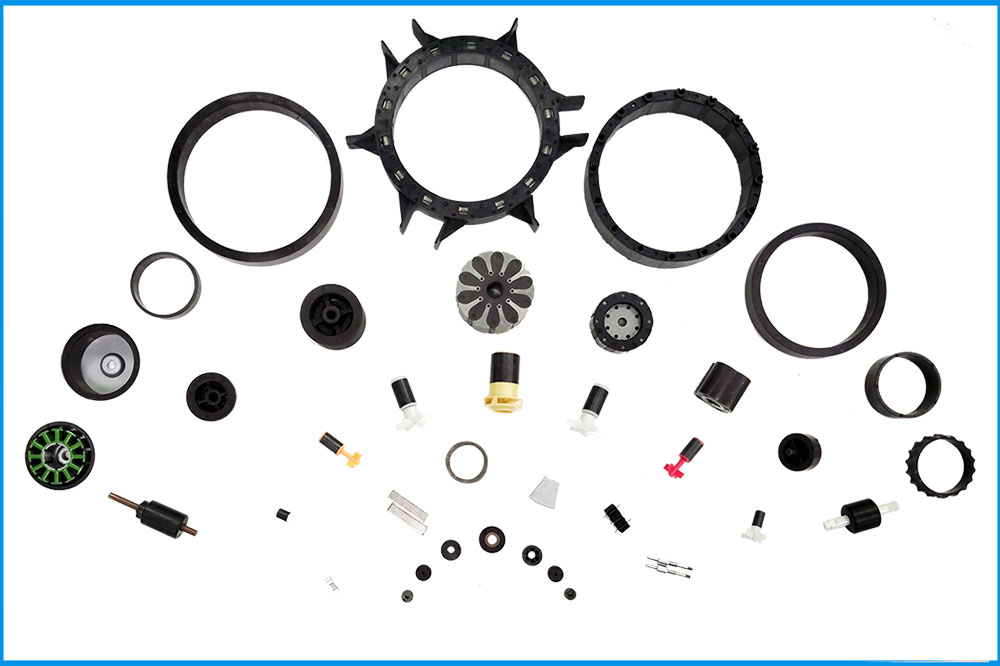
Why Choosing the Right NdFeB Magnets Matters
Choosing ndfeb magnets is a decision that affects far more than magnetic performance alone. In real-world applications, magnets are continuously exposed to a combination of challenging conditions, including thermal stress, vibration, humidity, mechanical shock, and electromagnetic interference. These factors interact over time and can significantly influence magnetic stability and structural integrity. If they are not fully considered during the early design and material selection stages, even high-quality ndfeb magnets may experience gradual demagnetization, surface corrosion, or mechanical damage, ultimately compromising the overall system performance.
In 2025, the cost of such failures is considerably higher than in previous years. Products are expected to operate reliably for longer service lifetimes, often in demanding environments, while global supply chains have become less tolerant of redesigns, delays, or recalls. A magnet that slowly loses magnetic strength may reduce motor torque, lower system efficiency, increase energy consumption, or lead to unstable operation. These issues typically emerge only after products have been deployed in the field, making troubleshooting, replacement, or redesign both expensive and disruptive to business operations.
Conversely, selecting the right ndfeb magnets from the outset delivers long-term value. Proper magnet selection enhances system reliability, reduces maintenance frequency, and lowers total cost of ownership over the product lifecycle. It ensures stable magnetic performance across wide temperature ranges, consistent behavior over extended operating periods, and predictable results in large-scale production. For OEMs and system integrators, magnet selection is therefore not a simple component choice, but a strategic engineering decision that directly influences product quality, customer satisfaction, brand reputation, and long-term market competitiveness.
Key Factors to Consider When Choosing NdFeB Magnets
NdFeB Magnets Grades and Magnetic Strength
Magnet grade is often the first parameter considered when evaluating ndfeb magnets, yet it is also one of the most frequently misunderstood. Grades such as N35, N42, N48, or N52 represent the maximum energy product (BHmax), which indicates the theoretical magnetic energy the magnet can deliver under ideal laboratory conditions. While this value is useful for comparison, it does not fully reflect how the magnet will perform in real-world applications, where operating conditions are far more complex than controlled test environments.
In practice, higher-grade ndfeb magnets are not always the optimal choice. Although they offer stronger magnetic force, they also require higher rare-earth content, which increases material costs and can expose projects to price volatility and supply risk. In addition, higher grades often exhibit reduced thermal stability, making them more sensitive to temperature fluctuations and potential demagnetization. In many applications, selecting the highest available grade does not result in better overall system performance and may even introduce unnecessary design and reliability risks.
Effective grade selection therefore requires a system-level perspective. Engineers must carefully evaluate air gaps, magnetic circuit efficiency, load conditions, operating temperatures, and the interaction between the magnet and surrounding materials. In well-optimized designs, mid-grade ndfeb magnets can achieve excellent performance while offering better thermal margins, improved stability, and lower overall cost. Matching magnet grade to actual functional requirements—rather than theoretical maximum values—is essential for creating balanced, reliable, and cost-effective designs in 2025.
Temperature Resistance of NdFeB Magnets
Temperature performance is one of the most critical factors affecting ndfeb magnets, as magnetic properties are inherently sensitive to heat. As operating temperature increases, magnetic strength decreases in a predictable and largely reversible manner. However, when a magnet is exposed to temperatures beyond its rated limit, irreversible demagnetization can occur. Once this happens, the loss in magnetic performance cannot be recovered, even after the temperature returns to normal, which can severely impact the functionality of the entire system.
In 2025, many applications operate under increasingly challenging thermal conditions. Electric motors, automotive powertrains, industrial drives, compressors, and power electronics all generate significant heat during normal operation, especially under high load or continuous-duty cycles. To address these demands, NdFeB magnets are available in a range of temperature grades, including standard N grades and high-temperature grades such as H, SH, UH, EH, and AH. Each grade is engineered to withstand specific maximum operating temperatures and provide different levels of resistance to demagnetization.
Selecting the appropriate temperature grade requires careful and realistic analysis. Engineers must consider not only continuous operating temperatures, but also short-term thermal spikes, frequent thermal cycling, ambient conditions, and the effectiveness of cooling systems. Designing with adequate safety margins is essential to ensure stable magnetic performance throughout the product’s lifetime. Choosing the right temperature-resistant ndfeb magnets is therefore one of the most effective strategies to prevent unexpected performance degradation, improve reliability, and significantly extend product lifespan.
Shape and Size Design of NdFeB Magnets
The geometry of ndfeb magnets has a direct and significant influence on overall magnetic performance and system efficiency. Magnet shape determines how magnetic flux is generated, guided, and distributed within the magnetic circuit, as well as how effectively it interacts with surrounding components such as steel parts, coils, and air gaps. In many practical applications, carefully optimizing magnet geometry can deliver greater performance improvements than simply increasing magnet grade, while also helping to control material cost and improve thermal stability.
Common magnet shapes include discs, rings, blocks, arcs, and a wide range of custom geometries tailored to specific application requirements. Custom-shaped ndfeb magnets enable engineers to maximize flux utilization, minimize magnetic leakage, and reduce unnecessary material usage. They can also simplify assembly processes by integrating directly into mechanical structures or reducing the number of components required. In rotating systems such as electric motors and generators, arc-shaped magnets help create a more uniform magnetic field, improving torque output, efficiency, and reducing noise and vibration. In compact electronic devices, thin, multi-pole, or integrated magnet designs make it possible to meet strict space constraints without sacrificing performance.
In modern product development, magnet geometry is treated as an integral part of the overall mechanical and electromagnetic design process rather than an afterthought. Early collaboration with an experienced magnet supplier allows design teams to align shape, size, material selection, and manufacturability from the very beginning. This approach reduces development risk, shortens design cycles, and ensures that the final ndfeb magnet solution delivers optimal performance in real-world applications.
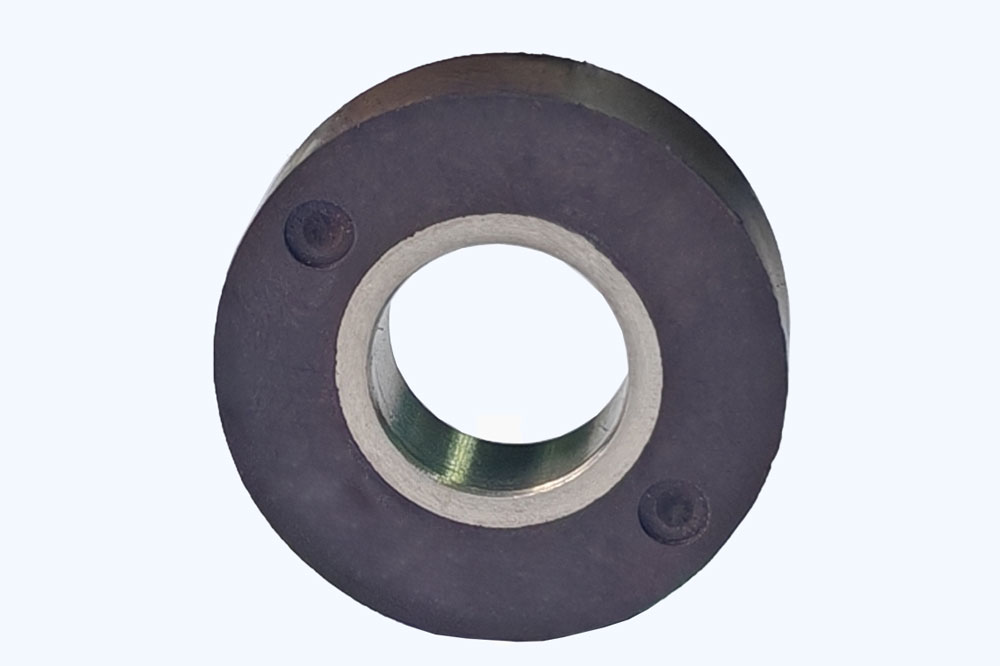
Choosing the Right Coating for NdFeB Magnets
Why Coating Matters for NdFeB Magnets
Injection-Molded vs Sintered NdFeB Magnets
Understanding the Difference Between NdFeB Magnet Types
Application-Specific Considerations for NdFeB Magnets
NdFeB Magnets for Motors and Automotive Systems
Motors remain the largest application segment for ndfeb magnets in 2025. Performance requirements are extremely demanding, with strict expectations for efficiency, thermal stability, and consistency. Even small variations in magnet properties can affect torque, noise levels, and energy efficiency.
Key considerations include high coercivity to resist demagnetization, stable performance under thermal cycling, and precise dimensional tolerances. Proper magnet selection directly influences motor efficiency, lifespan, and reliability, making it a critical design decision in automotive and industrial applications.
NdFeB Magnets for Electronics and Consumer Products
In electronics and consumer products, ndfeb magnets enable miniaturization while maintaining functional performance. Applications such as sensors, actuators, smart devices, and precision connectors rely on compact and consistent magnetic behavior.
Injection-molded ndfeb magnets are particularly suitable for automated assembly and high-volume production. Their ability to integrate directly into plastic components reduces assembly steps and improves repeatability, which is essential in competitive consumer markets.
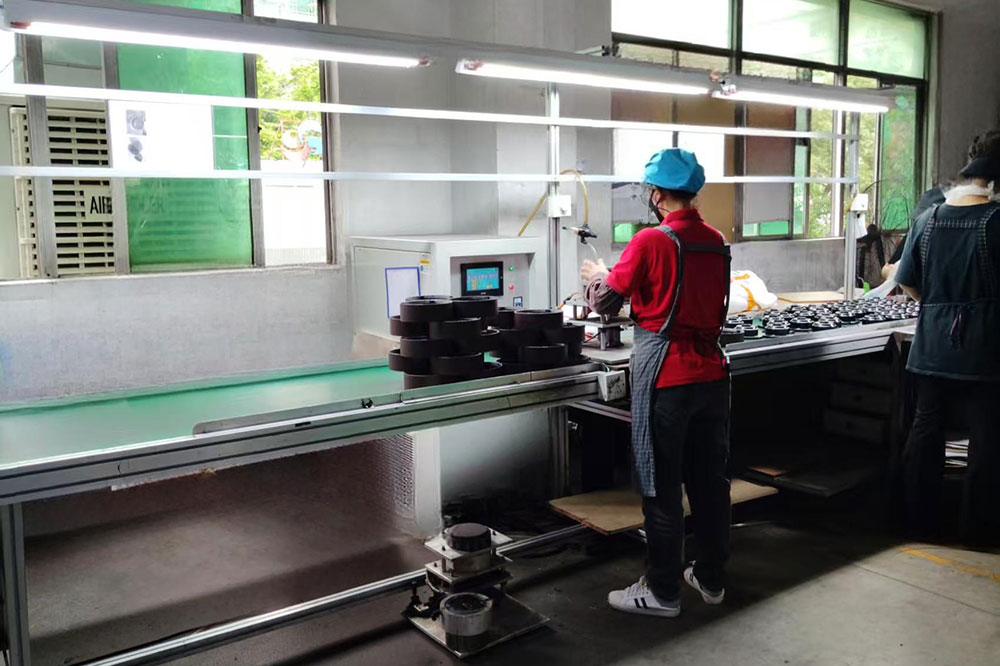
Quality Control Standards for NdFeB Magnets
How to Ensure Consistent Quality in NdFeB Magnets
In 2025, quality control is a fundamental requirement when sourcing ndfeb magnets. Reliable suppliers implement comprehensive testing throughout the production process, including magnetic property measurement, dimensional inspection, coating evaluation, and environmental testing.
ISO-certified quality management systems, strict process control, and full batch traceability ensure consistent performance across large production volumes. Strong quality control reduces risk, minimizes variation, and builds long-term trust between manufacturers and customers.
Why Choose High Kos Magnet for NdFeB Magnets
A Trusted NdFeB Magnet Manufacturer and Solution Provider
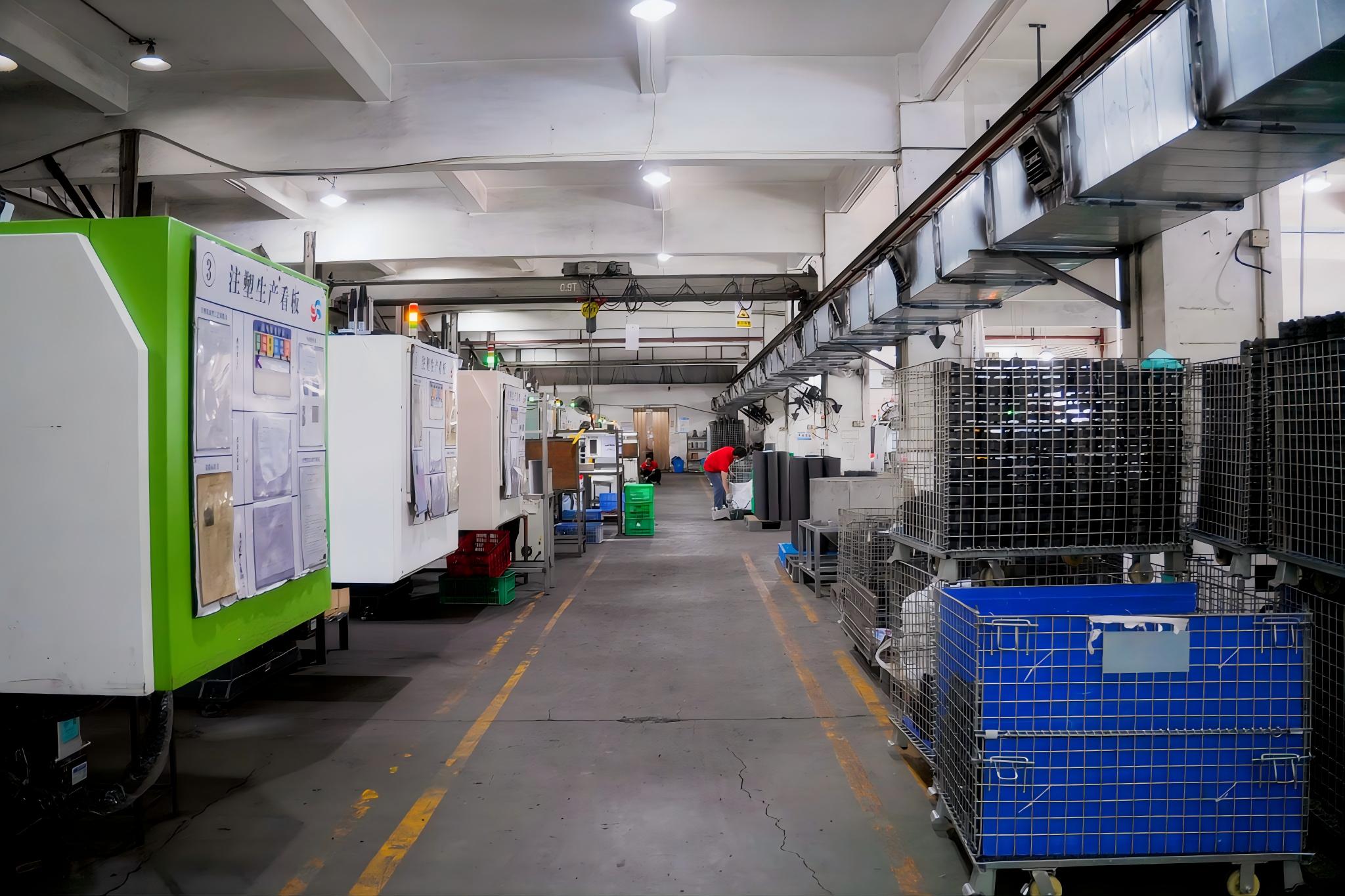
Zhongshan High Kos Electronic Technology Co., Ltd. (High Kos Magnet) is a high-tech enterprise specializing in the research, development, production, and sales of magnetic products. The company focuses on injection-molded magnets, including injection-molded ferrite magnets and injection-molded NdFeB magnets, as well as sintered magnets.
With strong R&D capabilities, customized magnetic solutions, and one-stop supporting services, High Kos Magnet supports customers from concept design to mass production. Stable quality control and extensive experience serving international B2B customers make High Kos Magnet a reliable partner for projects requiring high-performance ndfeb magnets in 2025 and beyond.
FAQ: NdFeB Magnets Selection Questions Answered
What grade of NdFeB magnets should I choose?
The correct grade depends on required magnetic force, operating temperature, and cost targets rather than maximum strength alone.
Are NdFeB magnets suitable for high-temperature environments?
Yes, when appropriate high-temperature grades such as H, SH, or UH are selected.
How long do NdFeB magnets last?
With proper design, coating, and operating conditions, ndfeb magnets can maintain stable performance for decades.
Can High Kos Magnet provide custom NdFeB magnets?
Yes. High Kos Magnet offers customized sintered and injection-molded ndfeb magnets based on customer specifications.
What are injection-molded NdFeB magnets best used for?
They are ideal for complex shapes, integrated assemblies, and high-volume production environments.
Conclusion: Make the Right NdFeB Magnet Choice in 2025
Choosing the right ndfeb magnets in 2025 requires a holistic understanding of materials, operating environments, and manufacturing technologies. By carefully evaluating grade, temperature resistance, geometry, coating, and quality standards, companies can achieve optimal performance, reliability, and cost efficiency.
Partnering with an experienced manufacturer such as High Kos Magnet ensures access to professional expertise, stable quality, and customized magnetic solutions that support long-term success.
Ready to Optimize Your Project with NdFeB Magnets?
Contact High Kos Magnet today to discuss your application requirements.
Our experienced engineering team is ready to help you select or customize the right ndfeb magnets to power your products with confidence in 2025 and beyond.