
Medical equipment increasingly depends on compact, precise and reliable electric motors. From laboratory instruments and diagnostic equipment to medical pumps, powered adjustment systems and automated devices, motor performance directly affects the operation of the complete system. At the center of many of these motors is a carefully designed magnetic component.
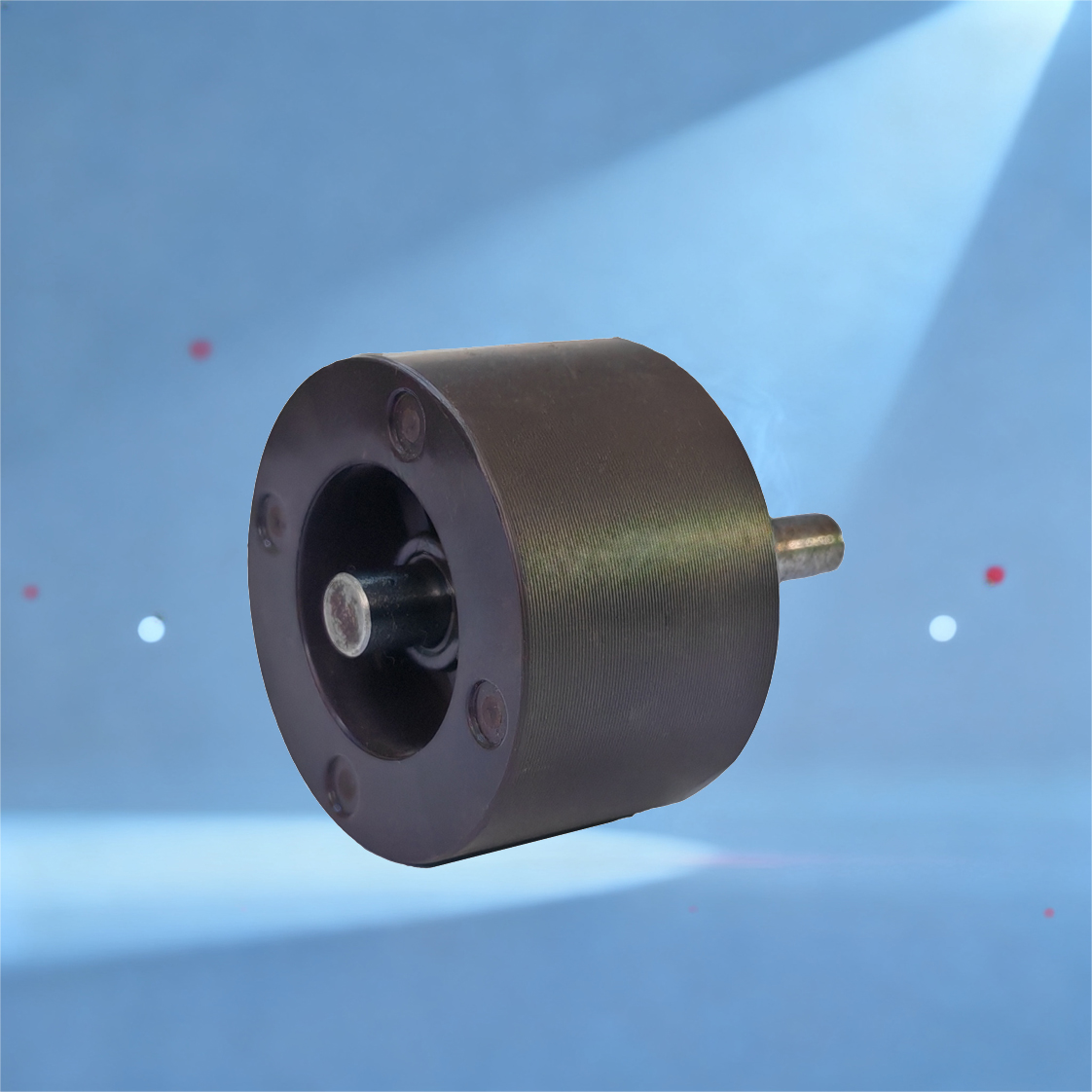
Selecting the right Magnet for Medical Device Motor applications requires more than comparing magnetic strength. Engineers must consider motor structure, operating temperature, dimensional accuracy, magnetic consistency, noise, vibration and long-term operating conditions. The selected magnet must also be compatible with the equipment’s mechanical design and manufacturing process.
As medical equipment becomes smaller and more integrated, motor manufacturers are looking for magnetic components that can fit compact spaces while maintaining stable performance. Injection-molded magnets, sintered ferrite magnets and NdFeB magnets provide different options for these requirements.
High Kos focuses on the development and production of injection-molded and sintered magnetic components, including magnetic rings and motor rotor components. Its website presents injection-molded magnetic rotor solutions for applications that include medical tools, household appliances, automotive systems and water pumps. The appropriate component still needs to be evaluated against the actual motor design and operating requirements.
This article explains how to select a suitable Magnet for Medical Device Motor applications, what technical factors matter during development, and how customized magnetic components can support medical equipment manufacturers.
1. Why Magnets Matter in Medical Device Motors
Electric motors convert electrical energy into mechanical movement. Permanent magnets can provide the magnetic field required for motor operation, helping create torque and rotational movement when interacting with the stator’s magnetic field.
In medical equipment, motors may be required to operate within compact assemblies and perform controlled movement. Their magnetic components therefore influence several aspects of motor design.
Stable Magnetic Performance
A motor needs a magnetic field that matches its electrical and mechanical design. Variations in magnetic properties can affect torque output, speed characteristics and operating consistency.
A properly selected Magnet for Medical Device Motor should meet the motor’s required magnetic flux and operating conditions. Engineers should evaluate the complete magnetic circuit rather than choosing a material based only on its maximum magnetic energy product.
Compact Motor Structure
Medical equipment designers often work with limited installation space. Motors may need to fit inside portable devices, precision instruments or integrated mechanical assemblies.
Magnetic rings and integrated rotor magnets can help manufacturers develop compact motor structures. Injection molding is particularly worth evaluating when a component requires a complex geometry or needs to be integrated with other structural elements.
Low Noise and Vibration Requirements
Noise and vibration can influence the user experience and operation of certain medical devices. Although motor noise depends on the entire system, magnetic design is one of the factors that engineers should evaluate.
Magnetization accuracy, rotor concentricity, dimensional consistency and dynamic balance can all influence motor behavior. The magnet should therefore be designed together with the rotor, stator, shaft and bearing arrangement.
2. Common Medical Equipment Applications
The required magnetic component depends on the motor type and the function of the medical equipment. A single magnet design cannot serve every application.
Diagnostic and Laboratory Equipment
Diagnostic instruments and laboratory equipment may use small motors for sample handling, positioning, movement and other automated operations.
These applications can require compact magnetic rotors, magnetic rings or other permanent-magnet components. Dimensional accuracy and repeatable magnetic performance are important when the motor must operate consistently across multiple production units.
Medical Pumps and Fluid Handling Equipment
Certain medical and laboratory systems use motor-driven pumps to move liquids or control fluid circulation. The motor and magnetic component must be selected according to the pump structure, operating environment and required output.
For these applications, engineers should evaluate the relationship between the magnetic rotor, mechanical assembly, fluid-handling structure and operating temperature. The suitability of a magnet depends on the complete equipment design.
Powered Medical Equipment
Adjustable beds, powered chairs and other electrically operated medical equipment may incorporate motors for controlled mechanical movement.
Depending on the motor architecture, permanent magnets can be used in rotor assemblies to generate the required magnetic field. The selection process should consider torque requirements, operating cycles, installation space and production cost.
Portable and Compact Medical Devices
Portable medical equipment places additional emphasis on component size and integration. A compact motor may require a magnetic ring or rotor with a customized shape and pole arrangement.
For these designs, a suitable Magnet for Medical Device Motor should be developed around the available space, magnetic circuit and mechanical interface rather than selected as an isolated standard part.
3. Types of Magnets Used in Medical Device Motors
Different magnetic materials and manufacturing processes offer different advantages. The best option depends on the motor’s magnetic requirements, geometry, temperature and cost target.
Sintered Ferrite Magnets
Sintered ferrite magnets are widely used in motor applications where cost management and suitable magnetic performance are important.
They can be considered for motor designs that do not require the magnetic strength of high-performance rare-earth materials. Sintered ferrite components are available in different shapes and can be incorporated into rotor structures according to the motor design.
For a medical device motor, engineers should check the required magnetic flux, available installation space and operating temperature before selecting ferrite.
Explore High Kos’s Sintered Ferrite Magnet Products for relevant product categories.
Injection-Molded Ferrite Magnets
Injection-molded ferrite magnets combine ferrite magnetic powder with a polymer binder and are formed through an injection molding process.
One important advantage is design flexibility. The process can support complex shapes and integrated structures that may be difficult to manufacture using conventional magnet-forming methods.
For a Magnet for Medical Device Motor project, injection-molded ferrite may be worth evaluating when the design requires a customized magnetic ring, rotor geometry or integrated component.
High Kos offers an Injection Molded Ferrite product range that includes motor inner rotors, motor outer rotors, induction magnetic rings and water pump rotors.
NdFeB and Bonded NdFeB Magnets
Neodymium iron boron (NdFeB) magnets are considered when a motor requires higher magnetic performance within a limited space.
Bonded NdFeB combines magnetic powder with a polymer binder. It can support more flexible component geometries than some conventional sintered magnet designs, depending on the manufacturing process and application.
For compact medical equipment motors, NdFeB may be evaluated when the required magnetic output cannot be achieved within the available space using ferrite. However, material selection must also consider temperature characteristics, demagnetization resistance, mechanical design and cost.
Learn more about Injection-Bonded Magnets and their manufacturing and application considerations.
4. Key Factors When Selecting a Magnet for Medical Device Motor
Choosing a suitable magnetic component requires a clear understanding of the motor’s operating conditions. The following factors should be considered during product development.
Magnetic Flux and Motor Output
Magnetic flux affects the electromagnetic behavior of a permanent-magnet motor. The required magnetic output depends on motor dimensions, winding design, air gap, rotor structure and target operating performance.
Engineers should define the required magnetic properties before selecting a material. A magnet with higher magnetic strength is not automatically the best option if it does not match the motor’s magnetic circuit.
Dimensional Accuracy
Small deviations in magnet dimensions can affect assembly clearance, air gap and rotor positioning. This is particularly important in compact motors where available space is limited.
A customized Magnet for Medical Device Motor should be evaluated for dimensional tolerances, concentricity and compatibility with adjacent components.
Magnetization Direction and Pole Configuration
Permanent magnets can be magnetized in different directions and pole arrangements according to the motor structure.
Common configurations include radial, axial and multipole magnetization. The appropriate arrangement depends on the rotor design and the magnetic field required by the motor.
For multipole magnetic rings, pole number, pole spacing and magnetization consistency should be confirmed during development. These parameters influence how the magnetic field interacts with the stator.
Operating Temperature
Temperature affects the magnetic properties of permanent magnets. The selected material must maintain suitable performance within the motor’s actual operating temperature range.
Engineers should consider normal operating temperature, temperature fluctuations and possible heat generated by nearby electrical or mechanical components.
Material specifications should be checked against the real application conditions rather than relying on general material descriptions.
Mechanical Strength and Assembly
The magnet must remain compatible with the rotor structure and assembly process throughout operation.
Depending on the design, engineers may need to consider bonding, insert molding, mechanical retention or other integration methods. The magnet’s geometry and material should be evaluated together with the rotor’s mechanical requirements.
5. Injection-Molded Magnetic Components for Compact Medical Motors
Injection molding is a useful manufacturing option when a motor requires a customized magnetic shape or integrated component structure.
Compared with assembling multiple individual magnetic pieces, an integrated molded component may simplify certain assembly processes. The actual benefit depends on the product design, mold structure and manufacturing requirements.
Integrated Rotor Design
An injection-molded magnetic rotor can combine magnetic material with a supporting structural component. This can help create a compact assembly and reduce the number of separate parts in suitable designs.
For medical equipment motors, the rotor design should be developed around the shaft, bearing arrangement, stator and required magnetic circuit.
Customized Magnetic Rings
Magnetic rings are used in different motor and sensing applications. Their dimensions, pole arrangement and magnetization pattern should correspond to the intended function.
When developing a Magnet for Medical Device Motor, a customized magnetic ring may be considered if the motor requires a specific inner diameter, outer diameter, thickness or pole configuration.
Consistent Production
Medical equipment manufacturers need components that can be produced consistently across batches. Dimensional variation and magnetic performance differences should be controlled through appropriate process management and inspection.
Injection molding, machining where required, and precision magnetization should be coordinated to meet the component drawing and agreed technical specifications.
For more information, read High Kos’s article on Injection Molded Magnetic Components for Precision Motor and Sensing Applications.
6. Quality Considerations for Medical Motor Magnets
A magnetic component used in medical equipment should be assessed according to the requirements of the finished device and its intended operating environment.
It is important to distinguish between the quality of a magnetic component and the regulatory or safety compliance of a complete medical device. A magnet supplier should not be assumed to provide medical-device certification unless the relevant documentation has been verified.
Material Verification
The magnetic material should be confirmed against the agreed technical specification. Relevant properties may include magnetic performance, temperature characteristics and mechanical compatibility.
Dimensional Inspection
Critical dimensions should be measured according to the product drawing. Depending on the design, inspection may include inner diameter, outer diameter, thickness, concentricity and other assembly-related dimensions.
Magnetic Performance Testing
Magnetic testing can help verify flux characteristics and magnetization consistency. For multipole components, the pole distribution and magnetic field pattern should be checked against the agreed requirements.
Sample Validation
Before mass production, sample components should be evaluated in the intended motor assembly whenever possible. This helps confirm whether the magnet performs as expected under actual operating conditions.
Testing should cover the relevant operating range and equipment requirements. A component that meets an isolated magnetic specification may still need further validation in the complete motor.
7. How to Work with a Custom Magnet Manufacturer
For motor manufacturers and medical equipment developers, early technical communication can reduce design changes and improve component compatibility.
When discussing a Magnet for Medical Device Motor project with a manufacturer, it is useful to prepare the following information:
- Motor drawings: Provide available rotor, stator and magnet drawings, including critical dimensions.
- Magnetic requirements: Specify the required magnetic material, flux characteristics and magnetization pattern where known.
- Operating conditions: Explain the working temperature, operating cycle and relevant environmental conditions.
- Mechanical requirements: Share assembly methods, mounting interfaces and any space limitations.
- Production expectations: Clarify prototype quantities, expected annual demand and mass-production requirements.
- Inspection criteria: Define the dimensional and magnetic properties that must be checked before acceptance.
A capable manufacturer should be able to discuss material options, component geometry, mold development, magnetization and inspection requirements.
High Kos’s product portfolio includes injection-molded and sintered magnetic components for motor applications. Its Motor Outer Rotor Product Range provides another reference for evaluating rotor-related magnetic structures.
8. Why Customized Magnet Design Matters
Standard magnets may not match the dimensions or magnetic requirements of every medical equipment motor. Customized development allows the component to be designed around the actual motor architecture.
Customization may involve:
- Magnetic material selection
- Inner and outer diameter
- Component thickness and geometry
- Magnetic pole number and arrangement
- Magnetization direction
- Rotor integration and insert structure
- Magnetic performance requirements
- Inspection and sample validation criteria
The most suitable Magnet for Medical Device Motor is therefore the one that meets the complete application requirements, not simply the one with the highest magnetic strength.
Early collaboration between the motor design team and magnetic component manufacturer can help identify suitable materials and manufacturing processes before the design enters mass production.
Conclusion
Selecting the right Magnet for Medical Device Motor applications is an important part of developing compact, stable and reliable medical equipment motors. Magnetic performance, material properties, dimensional accuracy, magnetization, temperature and mechanical integration all influence the suitability of a component.
Sintered ferrite, injection-molded ferrite and bonded NdFeB magnets each offer different design possibilities. Ferrite can be considered for cost-conscious motor designs, injection-molded magnets can support complex geometries and integrated structures, while NdFeB materials may be evaluated when stronger magnetic output is required within limited space.
High Kos provides injection-molded and sintered magnetic components, including magnetic rings and motor rotor products. For manufacturers developing medical equipment motors, sharing drawings, operating conditions and magnetic requirements is a practical starting point for evaluating a customized solution.
Contact High Kos to discuss your Magnet for Medical Device Motor requirements, including material selection, component dimensions, magnetization design and customized magnetic rotor development.
Frequently Asked Questions
1. What type of magnet is suitable for a medical device motor?
The suitable magnet depends on the motor’s magnetic output, dimensions, operating temperature and mechanical design. Sintered ferrite, injection-molded ferrite and bonded NdFeB may all be considered for different applications.
2. Why are injection-molded magnets used in compact medical motors?
Injection-molded magnets can support complex geometries and integrated component structures. They may be useful when a motor requires a customized magnetic ring or rotor that must fit a compact assembly.
3. Can a magnetic ring be customized for a medical device motor?
Yes. Depending on the design and manufacturing process, a magnetic ring may be customized in dimensions, material, pole configuration and magnetization direction. The final design should be validated in the intended motor.
4. What should engineers consider when selecting a magnet for a medical device motor?
Important considerations include magnetic flux, material characteristics, operating temperature, dimensional accuracy, pole configuration, mechanical integration and production consistency.
5. Does a magnet for medical device motor applications need medical certification?
Requirements depend on the finished medical device, its intended use and applicable regulations. Do not assume that an individual magnet has medical-device certification. Manufacturers should verify the specific documentation and compliance requirements relevant to their application.
6. Can High Kos provide customized magnetic components for medical equipment motors?
High Kos’s website presents injection-molded magnetic rotor solutions for applications including medical tools, as well as magnetic rings and other motor-related components. Specific designs and technical requirements should be discussed and confirmed with the company.
7. What information should be provided when requesting a custom motor magnet?
Useful information includes product drawings, magnet dimensions, material preferences, magnetic requirements, operating temperature, motor structure, sample requirements and expected production volume.
Contact High Kos
If you are developing a compact motor for medical equipment and need a customized magnetic component, contact High Kos with your drawings and technical requirements. The team can discuss suitable magnetic materials, rotor structures and manufacturing options for your project.