
Introduction to Ferrite Magnetic Rings for EMI Suppression
Modern electronic devices rely heavily on switching power supplies, variable-frequency motors, digital control circuits and high-speed communication systems. While these technologies improve efficiency and functionality, they can also generate unwanted high-frequency electromagnetic noise.
If electromagnetic interference is not properly controlled, the noise may travel along power lines or signal cables. This can interfere with nearby electronic equipment, affect sensitive control circuits and reduce the stability of wireless communication systems.
Ferrite Magnetic Rings for EMI Suppression provide a practical and widely used solution for controlling high-frequency interference. Installed around power cables or signal lines, these magnetic components help reduce unwanted noise without significantly affecting normal low-frequency current transmission.
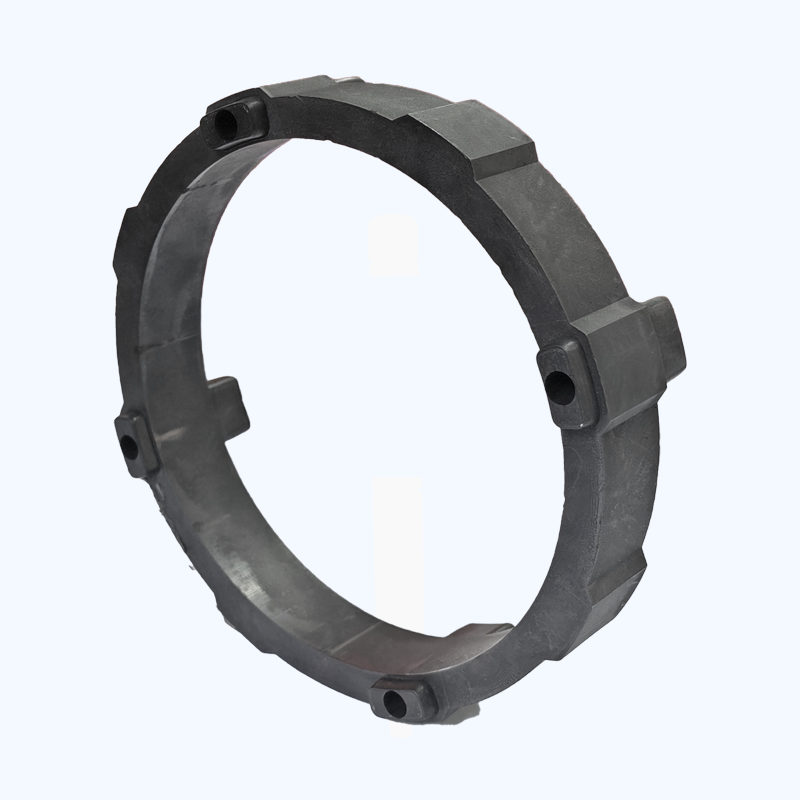
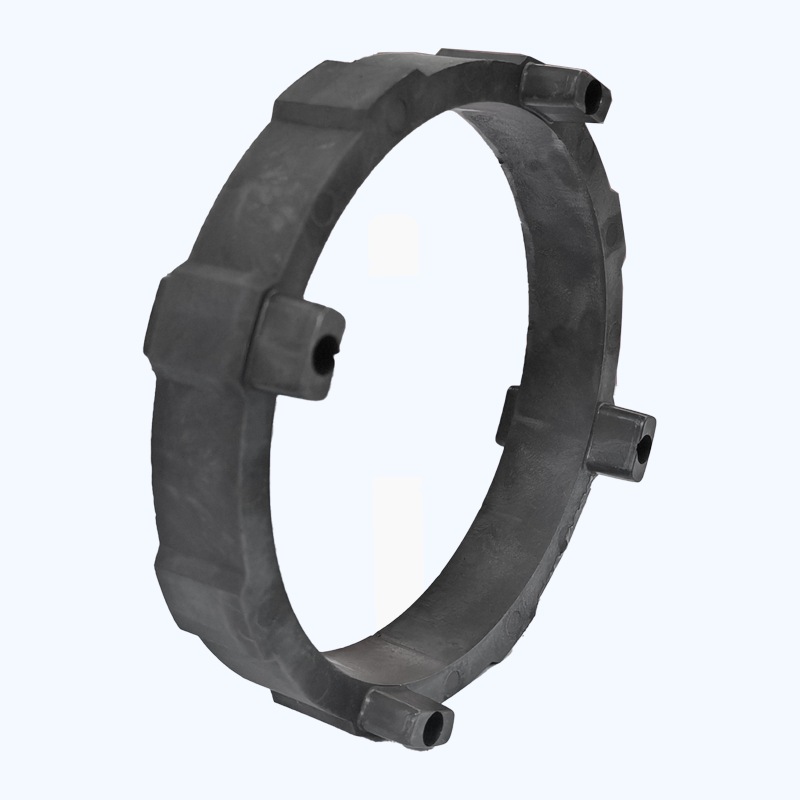
What Are Ferrite Magnetic Rings for EMI Suppression?
Ferrite Magnetic Rings for EMI Suppression are soft magnetic components designed to increase impedance against unwanted high-frequency electrical noise.
They are commonly manufactured from ferrite materials and installed directly around electrical cables.
When a cable passes through a ferrite ring, the magnetic component creates frequency-dependent impedance within the circuit.
At normal operating frequencies, the impedance remains relatively low, allowing electrical current or useful signals to pass through.
At higher interference frequencies, however, the impedance increases. Part of the unwanted electromagnetic energy is dissipated as heat within the ferrite material, helping reduce the propagation of electrical noise.
How Do Ferrite Magnetic Rings Suppress Electromagnetic Interference?
Frequency-Dependent Impedance
The working principle of Ferrite Magnetic Rings for EMI Suppression is based on the frequency characteristics of ferrite materials.
A magnetic ring installed around a cable can be regarded as introducing an additional frequency-dependent impedance into the electrical path.
At low frequencies:
- Normal operating current can pass through
- Circuit operation is minimally affected
- Useful low-frequency signals can continue to function
At higher frequencies:
- Impedance increases significantly
- Common-mode interference is attenuated
- High-frequency noise energy is absorbed
- Part of the interference energy is converted into heat
This makes ferrite magnetic components particularly useful for controlling high-frequency conducted interference.
Ferrite Magnetic Rings on Everyday Cables
Many electronic cables contain ferrite components that are easy to overlook.
The cylindrical or snap-on sections found near the ends of some cables often contain ferrite magnetic rings.
They can be found on:
- Mobile phone charger cables
- Computer power cables
- USB data cables
- Monitor signal cables
- Keyboard cables
- Mouse cables
- Network communication cables
These components help reduce high-frequency electromagnetic interference generated by electronic equipment and cables.
Ferrite Magnetic Rings in Household Appliances
Household appliances increasingly use electronic speed control and inverter technology.
Variable-frequency air conditioners and inverter washing machines rely on switching circuits and motor controllers that can generate high-frequency electrical noise.
Inverter Air Conditioners
In an inverter air conditioner, the inverter controls motor operation by rapidly switching electrical power.
These switching actions can generate high-frequency noise.
Ferrite magnetic rings can be installed on cables connecting the control system, power electronics and motor components.
This helps reduce the transmission of unwanted interference through the wiring system.
Inverter Washing Machines
Modern washing machines often use electronically controlled motors to manage different operating speeds.
During acceleration, washing and high-speed spinning, the motor control system may generate switching interference.
Ferrite components installed around internal cables can help reduce the spread of high-frequency noise and support stable operation of sensitive control circuits.
Ferrite Magnetic Rings for Switching Power Supplies
Switching power supplies are widely used in chargers, adapters, routers, televisions and other electronic devices.
Their rapid switching operation can produce high-frequency electrical noise.
Ferrite Magnetic Rings for EMI Suppression can be installed around input or output cables to reduce common-mode interference.
Typical applications include:
- Power adapter cables
- AC power lines
- DC output cables
- USB power cables
- Internal wiring harnesses
Proper placement and material selection are important for achieving effective noise suppression.
Ferrite Magnetic Rings for Network Communication Equipment
Network devices such as routers and set-top boxes contain switching power supplies and high-frequency communication circuits.
Uncontrolled electrical noise may affect signal reception and overall device stability.
Ferrite magnetic rings installed around power adapter or communication cables can help reduce the impact of unwanted high-frequency noise.
Typical equipment includes:
- Wi-Fi routers
- Network switches
- Set-top boxes
- Communication gateways
- IP cameras
The final suppression performance depends on the frequency range of the interference and the ferrite material used.
Mn-Zn Ferrite Magnetic Rings vs Ni-Zn Ferrite Magnetic Rings
Selecting the appropriate ferrite material is essential for EMI suppression.
Mn-Zn Ferrite Magnetic Rings
Manganese-zinc ferrite generally has higher magnetic permeability and is commonly used for lower-frequency interference suppression.
It can be suitable for applications where the primary noise is concentrated in lower-frequency ranges.
Ni-Zn Ferrite Magnetic Rings
Nickel-zinc ferrite is generally more suitable for higher-frequency interference suppression.
It is commonly selected for applications involving high-frequency electronic circuits and communication systems.
The actual material selection should always consider the interference spectrum and required impedance characteristics.
How Cable Turns Affect EMI Suppression
The number of times a cable passes through a ferrite ring can influence the overall impedance.
A single pass provides one level of suppression.
Additional turns around the ferrite core can increase the effective impedance at certain frequency ranges.
This makes it possible to adjust the filtering performance according to the application requirements.
However, the number of turns should not be increased without evaluation.
Factors such as:
- Cable diameter
- Available installation space
- Target frequency
- Required impedance
- Signal characteristics
should all be considered.
Choosing Ferrite Magnetic Rings for EMI Suppression
Identify the Interference Frequency
The first step is to identify the main frequency range of the unwanted interference.
Different ferrite materials provide different impedance characteristics across the frequency spectrum.
Select the Right Ferrite Material
Mn-Zn and Ni-Zn ferrites have different performance characteristics.
Material selection should match the target interference frequency.
Match the Ring Size to the Cable
The inner diameter of the ferrite ring should be suitable for the cable.
A ring that is too large may reduce magnetic coupling efficiency, while a ring that is too small may be difficult to install.
Consider the Number of Cable Turns
Multiple cable turns can modify the impedance characteristics.
This should be optimized based on the target frequency and available installation space.
Key Advantages of Ferrite Magnetic Rings
Ferrite magnetic rings offer several practical benefits for electronic equipment manufacturers.
Simple Installation
They can be installed around existing cables without requiring major changes to the circuit design.
Effective High-Frequency Noise Reduction
Ferrite materials can provide high impedance against unwanted high-frequency signals.
Compact Structure
Magnetic rings can be integrated into cable assemblies, power adapters and electronic devices.
Cost-Effective EMI Solution
Compared with complex filtering circuits, ferrite components can provide an economical solution for specific EMI problems.
Suitable for Multiple Industries
Ferrite magnetic components can be used in:
- Household appliances
- Consumer electronics
- Communication equipment
- Automotive electronics
- Industrial control systems
- Power supplies
- Motor systems
Custom Ferrite Magnetic Rings for Different Applications
Different electronic devices generate different interference frequencies.
As a result, a standard ferrite ring may not always provide the best solution.
Customized ferrite magnetic components can be developed according to:
- Ferrite material
- Inner diameter
- Outer diameter
- Ring thickness
- Target frequency
- Cable size
- Number of cable turns
- Required impedance
For equipment with specific EMC requirements, magnetic component selection should be considered together with the complete cable and circuit design.
Frequently Asked Questions
What are Ferrite Magnetic Rings for EMI Suppression used for?
They are used to reduce unwanted high-frequency electromagnetic interference on power lines and signal cables.
Do ferrite magnetic rings block normal electrical current?
No. Ferrite rings provide frequency-dependent impedance. Normal low-frequency operating current can generally pass through while high-frequency interference experiences greater impedance.
What is the difference between Mn-Zn and Ni-Zn ferrite?
Mn-Zn ferrite is generally suitable for lower-frequency interference applications, while Ni-Zn ferrite typically performs better in higher-frequency ranges.
Does wrapping a cable multiple times around a ferrite ring improve filtering?
Additional turns can increase impedance at certain frequencies. However, the final configuration should be matched to the interference frequency and cable application.
Where should a ferrite magnetic ring be installed?
Common installation locations include power adapter cables, USB cables, communication lines and internal cables connecting motor systems with electronic control circuits.
Conclusion
Ferrite Magnetic Rings for EMI Suppression provide an effective method for reducing high-frequency electromagnetic interference in modern electronic equipment.
From mobile phone chargers and computer cables to inverter air conditioners, washing machines, routers and communication devices, ferrite magnetic components help prevent unwanted electrical noise from spreading through cables and affecting system stability.
Selecting the right ferrite material, magnetic ring dimensions and cable winding configuration is essential for achieving effective filtering performance.
As electronic devices continue to use higher switching frequencies and increasingly complex digital systems, customized ferrite magnetic solutions will remain an important part of electromagnetic compatibility design.