
Introduction
Selecting the right magnetic ring is one of the most important decisions when designing a permanent magnet motor. The choice directly influences motor efficiency, output torque, manufacturing cost and long-term reliability.
Among the most commonly used magnetic solutions are Injection Molded Magnetic Rings and bonded magnetic rings. Although both belong to the bonded magnet family, they are designed for different engineering priorities. Injection molded magnetic rings emphasize structural integration and manufacturing efficiency, while bonded magnetic rings focus on delivering stronger magnetic performance for high-power applications.
Understanding the differences between these two technologies helps engineers and manufacturers select the most suitable magnetic solution for their motor designs.
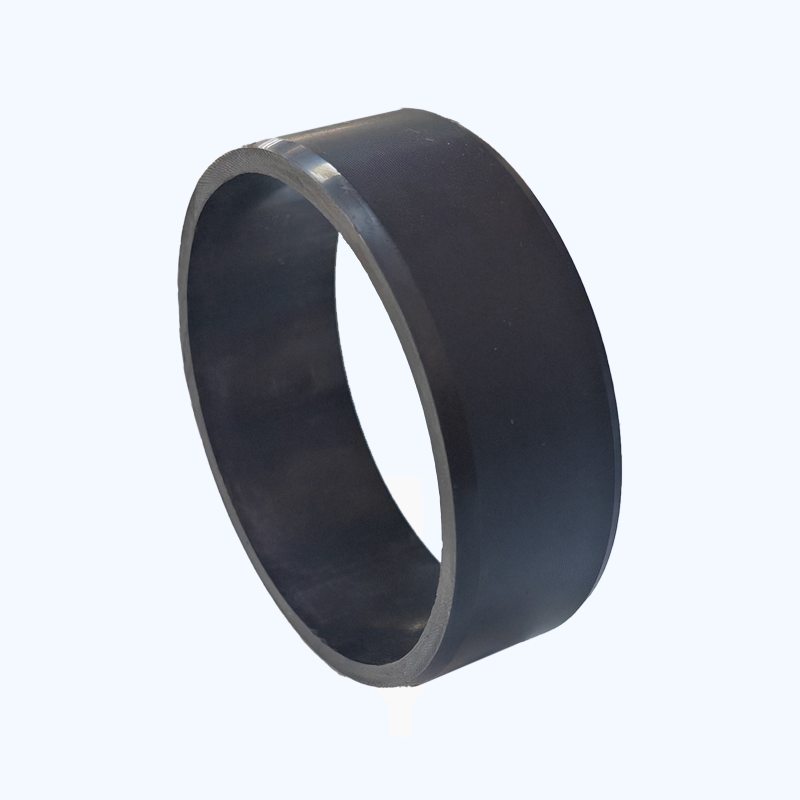
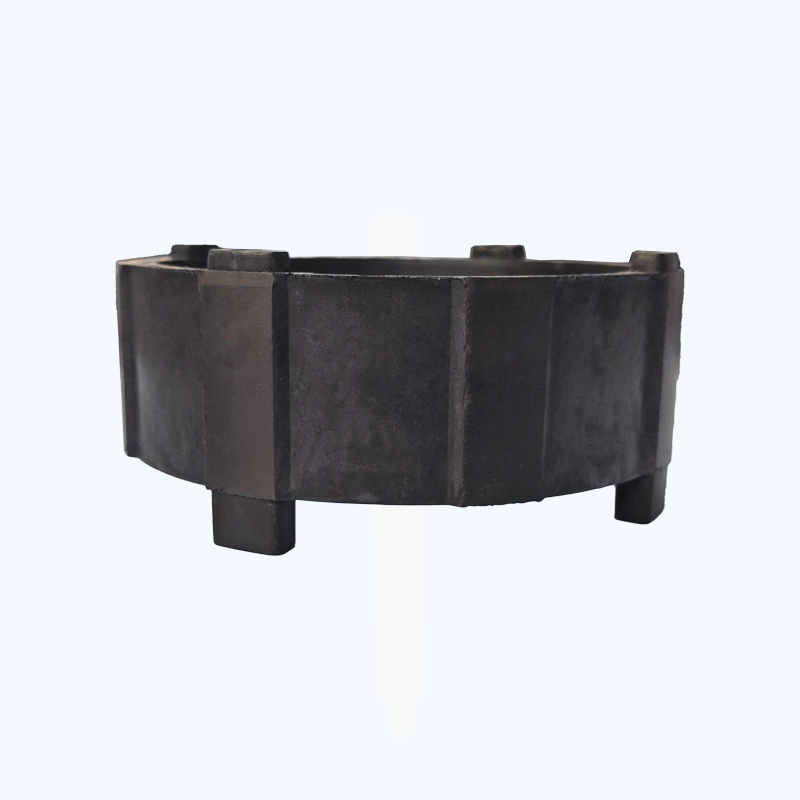
What Are Injection Molded Magnetic Rings?
Injection Molded Magnetic Rings are manufactured by mixing magnetic powder with thermoplastic resin and forming the material through an injection molding process. This technology allows complex shapes to be produced with high dimensional accuracy while supporting integrated molding with other motor components.
One of the biggest advantages of injection molding is insert molding, where the magnetic ring is directly molded onto a motor shaft or metal insert to create a complete rotor assembly.
This process reduces assembly steps, improves production consistency and increases mechanical reliability.
What Are Bonded Magnetic Rings?
Bonded magnetic rings are generally manufactured using compression molding. Magnetic powder is mixed with a binder and compacted under high pressure to produce a dense magnetic component.
Compared with injection molding, compression molding achieves a much higher magnetic powder content, resulting in stronger magnetic properties and higher magnetic energy products.
These characteristics make bonded magnetic rings an excellent choice for motors that require greater torque and power output.
Injection Molded Magnetic Rings Focus on Structural Integration
One of the key advantages of Injection Molded Magnetic Rings is their ability to simplify rotor construction while improving manufacturing efficiency.
Integrated Rotor Assembly
Injection molding enables the magnetic ring and the motor shaft to be formed into a single integrated component through insert molding.
Compared with traditional assembly methods, this approach offers several benefits:
- Reduced assembly operations
- Higher dimensional accuracy
- Improved rotor balance
- Stronger mechanical connection
- Lower risk of component loosening
Because the magnetic ring becomes part of the rotor assembly during manufacturing, the finished motor offers greater reliability throughout its service life.
High Precision for Complex Motor Designs
Modern motors often require compact structures with precise positioning.
Injection molded magnetic rings support complex geometries, including:
- Thin-wall magnetic rings
- Multi-pole rotor designs
- Positioning grooves
- Anti-rotation features
- Integrated mounting structures
These designs are difficult to manufacture using conventional compression molding techniques.
The high dimensional consistency achieved through injection molding also helps reduce motor vibration and operating noise.
Cost-Effective for High-Volume Manufacturing
For manufacturers producing millions of motors every year, reducing production complexity is essential.
Injection molded magnetic rings help lower manufacturing costs by:
- Eliminating secondary bonding operations
- Reducing manual assembly
- Improving production efficiency
- Supporting automated manufacturing
These advantages make them particularly suitable for consumer products and automotive applications.
Common Applications of Injection Molded Magnetic Rings
Because of their structural advantages, injection molded magnetic rings are widely used in compact and precision motor systems.
Typical applications include:
Brushless DC Motors
BLDC motors benefit from integrated rotor assemblies that improve balance, reliability and manufacturing consistency.
Automotive Motors
Many automotive systems use injection molded magnetic rings, including:
- Window lift motors
- Electric water pump motors
- Cooling fan motors
- HVAC actuators
These motors require compact structures, stable performance and long service life.
Household Appliance Motors
Injection molded magnetic rings are commonly used in:
- Inverter air conditioners
- Washing machines
- Vacuum cleaners
- Electric fans
Their excellent balance between performance and manufacturing cost makes them ideal for large-scale appliance production.
Micro Motors
Small motors used in electronic equipment require compact magnetic components with precise dimensions.
Injection molding provides the accuracy needed for these applications.
Bonded Magnetic Rings Focus on Performance and Power
While injection molding emphasizes manufacturing efficiency, bonded magnetic rings are designed to maximize magnetic output.
Higher Magnetic Performance
Compression-molded bonded magnetic rings typically achieve magnetic powder filling rates between 65% and 80%, significantly higher than the 45% to 65% commonly found in injection molded magnetic rings.
This higher magnetic powder content allows bonded magnetic rings to achieve magnetic energy products of approximately 10–12 MGOe, compared with 5–8 MGOe for many injection molded magnetic rings.
The stronger magnetic field generated within the same volume enables motors to produce greater output torque and higher power density.
Ideal for High-Power Motor Applications
Because of their stronger magnetic performance, bonded magnetic rings are widely used in motors that demand higher torque and greater efficiency.
Typical applications include:
High-Performance Brushless Motors
Industrial brushless motors requiring high torque and rapid acceleration.
Power Tools
Electric drills, grinders and other professional power tools rely on stronger magnetic fields to deliver higher output performance.
Garden Equipment
Cordless lawn mowers, hedge trimmers and other outdoor power equipment commonly use bonded magnetic rings to improve motor efficiency.
Automotive Seat Motors
Seat adjustment systems require compact motors capable of producing relatively high torque in limited installation space.
Servo Motors
Industrial servo systems benefit from stronger magnetic fields that improve positioning accuracy and dynamic response.
Injection Molded Magnetic Rings vs Bonded Magnetic Rings
Structural Design
Injection molded magnetic rings support integrated rotor construction and complex geometries.
Bonded magnetic rings are generally manufactured as simpler ring structures and require separate assembly.
Magnetic Performance
Bonded magnetic rings provide higher magnetic energy products and stronger magnetic fields.
Injection molded magnetic rings offer sufficient magnetic performance for many medium- and low-power applications while providing greater manufacturing flexibility.
Production Efficiency
Injection molding combines multiple manufacturing steps into a single process, reducing assembly time and improving production consistency.
Compression molding usually requires additional bonding or mechanical assembly after the magnetic ring is produced.
Cost Considerations
Injection molded magnetic rings often provide lower overall manufacturing costs for large-volume production.
Bonded magnetic rings typically involve higher material and processing costs but deliver superior magnetic performance for demanding motor applications.
How to Choose the Right Magnetic Ring
The best magnetic solution depends on the motor’s design objectives.
Choose Injection Molded Magnetic Rings when your application requires:
- Integrated rotor assemblies
- Complex structural designs
- High production efficiency
- Stable dimensional accuracy
- Cost-effective mass production
Choose bonded magnetic rings when your application requires:
- High magnetic energy
- Greater output torque
- High-performance brushless motors
- Servo motor applications
- Industrial power equipment
Working with an experienced magnetic component manufacturer helps optimize both motor performance and manufacturing efficiency.
Why Choose Highkos?
Highkos specializes in the development and production of customized magnetic components for automotive, industrial and consumer applications.
Our capabilities include:
- Injection molded ferrite magnetic rings
- Bonded magnetic rings
- Permanent magnet rotor assemblies
- Custom magnetic components
- OEM and ODM manufacturing
- Engineering support for motor applications
From prototype development to large-scale production, Highkos provides reliable magnetic solutions that meet the performance and quality requirements of global customers.
Frequently Asked Questions
What is the main difference between injection molded magnetic rings and bonded magnetic rings?
Injection molded magnetic rings focus on structural integration, precision and manufacturing efficiency, while bonded magnetic rings provide stronger magnetic performance and higher output torque.
Which motors commonly use injection molded magnetic rings?
They are widely used in brushless DC motors, automotive motors, household appliance motors, fan motors, water pump motors and micro motors.
Why do bonded magnetic rings provide higher torque?
Because they contain a higher percentage of magnetic powder, bonded magnetic rings generate stronger magnetic fields and higher magnetic energy products.
Can Highkos customize magnetic rings for different motor applications?
Yes. Highkos offers customized magnetic rings with different materials, dimensions, pole configurations and magnetic properties to meet specific motor design requirements.