
Introduction
Selecting the right magnetic ring is an important step in motor design. Different motor applications require different combinations of magnetic performance, structural strength and manufacturing efficiency. Two common solutions are injection-molded magnetic rings and bonded magnetic rings. Although both belong to the bonded magnet family, each has unique advantages that make it suitable for specific motor designs.
In general, injection-molded magnetic rings are preferred for applications that require complex structures and integrated assemblies, while bonded magnetic rings are often selected when stronger magnetic output and higher torque are the primary goals.
This article explains how these two magnetic ring technologies differ and where they are commonly used.
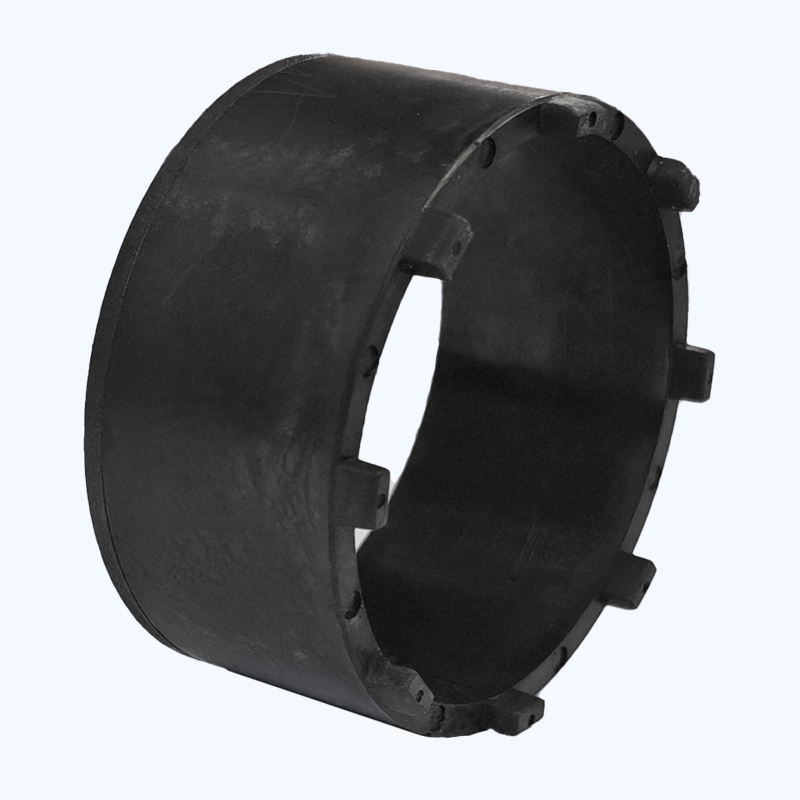
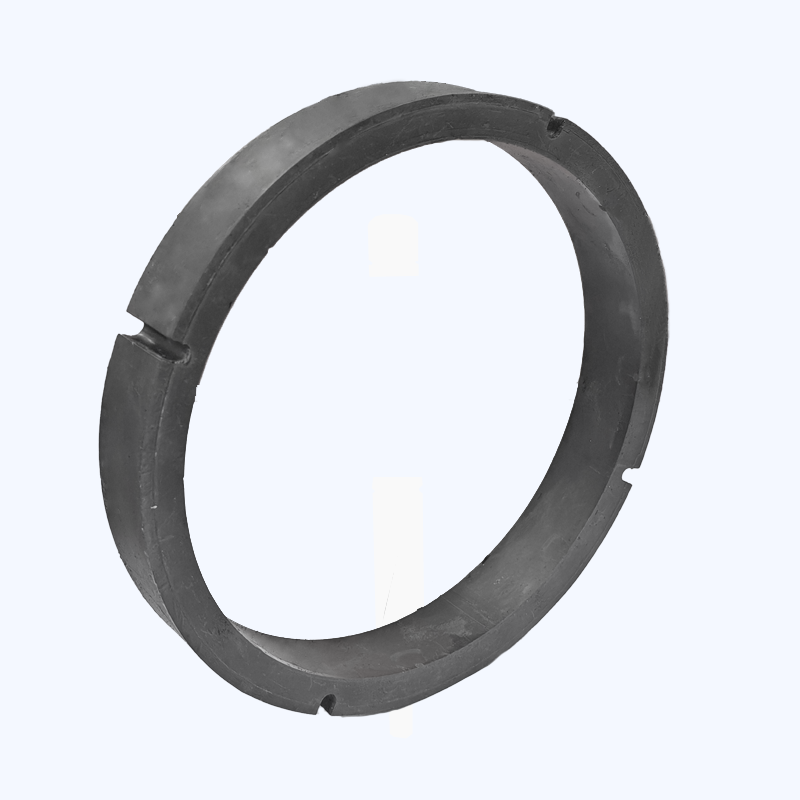
Understanding the Two Types of Magnetic Rings
What Are Injection-Molded Magnetic Rings?
Injection-molded magnetic rings are produced by combining magnetic powder with thermoplastic materials and forming the mixture through an injection molding process. This technology makes it possible to manufacture complex shapes with high dimensional accuracy while integrating the magnetic ring directly with other motor components.
The ability to combine the magnetic ring with shafts or plastic parts during molding helps simplify assembly and improve product consistency.
What Are Bonded Magnetic Rings?
Bonded magnetic rings are typically manufactured by compression molding magnetic powder with polymer binders. Compared with injection molding, this process allows a higher concentration of magnetic material, resulting in stronger magnetic properties.
Although compression-molded products generally require additional assembly, they provide higher magnetic energy and are suitable for motors with greater power requirements.
Why Injection-Molded Magnetic Rings Are Ideal for Precision Motors
The biggest advantage of injection molding is structural integration. Instead of assembling multiple components separately, manufacturers can create complete rotor assemblies in a single production step.
Integrated Rotor Manufacturing
Injection molding allows magnetic rings to be formed directly around:
- Motor shafts
- Plastic carriers
- Metal inserts
- Rotor components
This integrated process offers several benefits:
- Fewer assembly steps
- Higher positioning accuracy
- Better product reliability
- Improved production efficiency
Because fewer secondary operations are required, manufacturers can also reduce production costs while maintaining consistent quality.
Common Applications
Thanks to their design flexibility, these magnetic rings are widely used in motors that require compact structures and precise positioning.
Typical applications include:
- Brushless DC (BLDC) motors
- Stepper motors
- Automotive window lift motors
- Electric water pump motors
- Cooling fan motors
- Air conditioner motors
- Washing machine motors
- Vacuum cleaner motors
- Micro motors
Many automotive and household appliance manufacturers choose this solution because it supports high-volume production while maintaining excellent dimensional consistency.
Why Bonded Magnetic Rings Are Used in High-Power Motors
While injection molding focuses on structural advantages, compression-bonded magnetic rings are designed to maximize magnetic performance.
Higher Magnetic Output
Compression molding allows a larger proportion of magnetic powder inside the finished product.
Typical characteristics include:
- Magnetic powder loading of approximately 65%–80%
- Maximum energy product around 10–12 MGOe
By comparison, injection-molded magnetic rings generally contain a lower percentage of magnetic material in order to maintain proper material flow during manufacturing.
The stronger magnetic field generated by compression molding helps motors achieve higher torque output within the same installation space.
Typical Applications
Bonded magnetic rings are commonly selected for equipment requiring greater power density, including:
- High-performance BLDC motors
- Industrial servo motors
- Electric drive systems
- Industrial automation equipment
- Medium-sized permanent magnet motors
These applications benefit from stronger magnetic performance while allowing relatively simple rotor structures.
Comparing Injection-Molded and Bonded Magnetic Rings
Structural Design
Injection molding supports highly complex geometries and integrated assemblies, making it ideal for compact motor designs.
Compression molding is generally better suited to simpler ring or block structures that are assembled after production.
Magnetic Performance
Compression-bonded magnetic rings typically provide higher magnetic energy because of their greater magnetic powder content.
Injection-molded products offer balanced magnetic performance while providing greater flexibility in product design and manufacturing.
Manufacturing Efficiency
Injection molding combines multiple production steps into one process, reducing labor requirements and improving assembly consistency.
Compression molding often requires additional bonding or mechanical fixing during rotor assembly.
Cost Considerations
For large-volume production involving complex structures, injection molding often provides lower overall manufacturing costs.
For applications requiring maximum magnetic output, compression molding may deliver better performance despite additional assembly work.
Choosing the Right Magnetic Ring for Your Motor
There is no universal solution for every motor design. The best choice depends on the balance between magnetic performance, structural requirements and manufacturing efficiency.
Injection-molded magnetic rings are generally recommended when:
- Compact structures are required
- Integrated rotor assemblies are preferred
- High production efficiency is important
- Precision positioning is needed
Bonded magnetic rings are often the better choice when:
- High torque output is required
- Strong magnetic performance is the priority
- Rotor structures are relatively simple
Working with an experienced magnetic component manufacturer can help optimize both product performance and production costs.
Why Choose Highkos?
Highkos specializes in customized magnetic components for motor applications, providing reliable solutions for automotive, industrial and household appliance manufacturers.
With advanced molding technology and comprehensive production capabilities, Highkos offers:
- Custom magnetic ring development
- Ferrite magnetic solutions
- Rotor component manufacturing
- OEM and ODM support
- Mass production with stable quality
Whether your project focuses on compact motor design or higher power output, our engineering team can help you select the most suitable magnetic solution.
Frequently Asked Questions
Which magnetic ring is better for BLDC motors?
Both technologies can be used in BLDC motors. Injection molding is commonly selected for compact designs with integrated rotors, while compression-bonded rings are preferred when higher torque is required.
Why are injection-molded magnetic rings widely used in automotive motors?
They simplify assembly, improve dimensional accuracy and support high-volume manufacturing, making them well suited for modern automotive production.
Do bonded magnetic rings always provide better performance?
They generally deliver stronger magnetic output, but the best choice depends on the motor’s design goals, production process and cost requirements.
Can magnetic rings be customized?
Yes. Manufacturers can customize dimensions, pole configurations, magnetic properties and rotor structures according to specific application requirements.