
Choosing suitable magnetic materials is essential for improving motor efficiency, reliability, and production performance. In modern electric motors, bonded magnetic materials have become an important alternative to traditional sintered magnets due to their flexible manufacturing processes and excellent design adaptability.
Among these solutions, injection molded magnets and compression bonded magnets are commonly used in automotive, industrial, consumer electronics, and precision motor applications.
Although both belong to bonded magnetic materials, their mechanical strength, thermal behavior, magnetization capability, and manufacturing advantages are different.
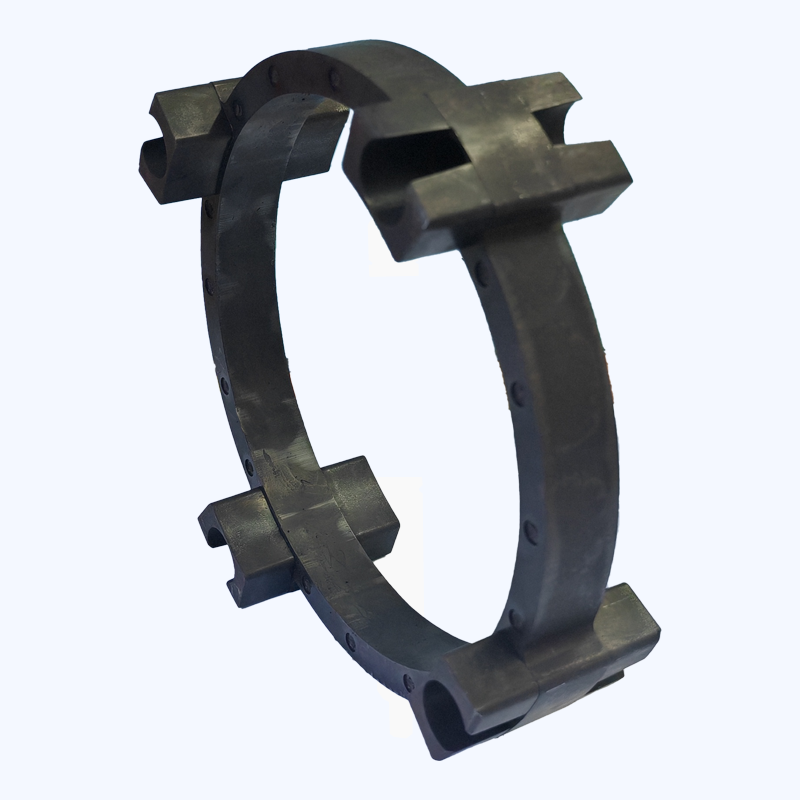
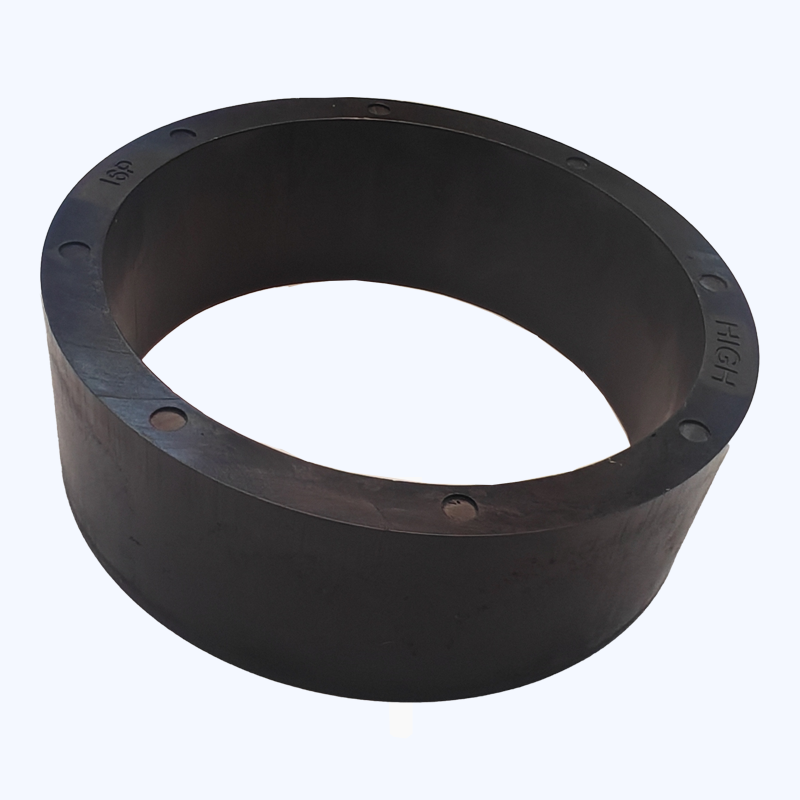
Mechanical Strength and Reliability of Different Magnet Types
Motors operate under complex conditions, including high-speed rotation, vibration, repeated loading, and temperature fluctuations.
Therefore, the mechanical performance of magnetic components directly affects operational reliability and service life.
Toughness Performance of Injection Molded Magnets
Injection molded magnets use thermoplastic resin as the bonding matrix. Common materials include PA6, PA12, and PPS.
The plastic matrix provides excellent toughness and impact resistance. When the motor experiences vibration or mechanical shock, the resin structure can absorb part of the external energy and reduce the possibility of cracking.
Compared with harder magnetic materials, this type of magnet offers advantages such as:
- Better impact resistance
- Flexible structural design
- Lightweight construction
- Integration with metal inserts during molding
These features make them suitable for applications requiring complex shapes and stable operation under dynamic conditions.
Structural Characteristics of Compression Bonded Magnets
Compression bonded magnets use thermosetting resin, usually epoxy resin, as the binder.
This structure provides:
- High hardness
- Good dimensional accuracy
- Stable shape retention
However, compared with thermoplastic-based solutions, thermosetting materials have lower flexibility.
Under strong impact or continuous vibration, stress concentration may increase the possibility of cracks. In addition, secondary assembly between the magnet and other components may create additional interface stress during long-term operation.
Magnetization Technology and Motor Performance
Magnetic field distribution has a direct influence on motor efficiency, noise, and vibration.
Compared with conventional magnetic materials, bonded magnetic materials provide greater flexibility in magnetization design.
Flexible Magnetization Methods
Modern production technology allows manufacturers to create customized magnetic orientations through specialized fixtures.
Common methods include:
- Radial magnetization
- Axial magnetization
- Multi-pole magnetization
- Hybrid magnetic orientation
These technologies allow engineers to optimize magnetic flux distribution according to different motor designs.
Flux Control in High-Performance Applications
Compression bonded NdFeB materials generally provide higher magnetic energy levels.
With precise magnetization control, they can generate smoother magnetic waveforms inside the motor air gap.
Benefits include:
- Reduced torque ripple
- Lower operating noise
- Improved vibration control
- Better motor efficiency
For precision applications such as automotive systems, medical equipment, and robotics, this magnetic performance can be an important advantage.
Design Flexibility of Injection Molded Magnets
Injection molding technology allows manufacturers to produce complex geometries that are difficult to achieve with traditional processes.
The ability to integrate magnetic components with plastic structures provides advantages in compact motor designs.
Although their magnetic strength is usually lower than high-performance NdFeB solutions, they offer excellent balance between manufacturing efficiency and functional requirements.
Thermal Stability and Operating Temperature
Heat generation is unavoidable during motor operation.
Copper loss and iron loss increase internal temperature, which may affect magnetic performance if the material exceeds its designed temperature range.
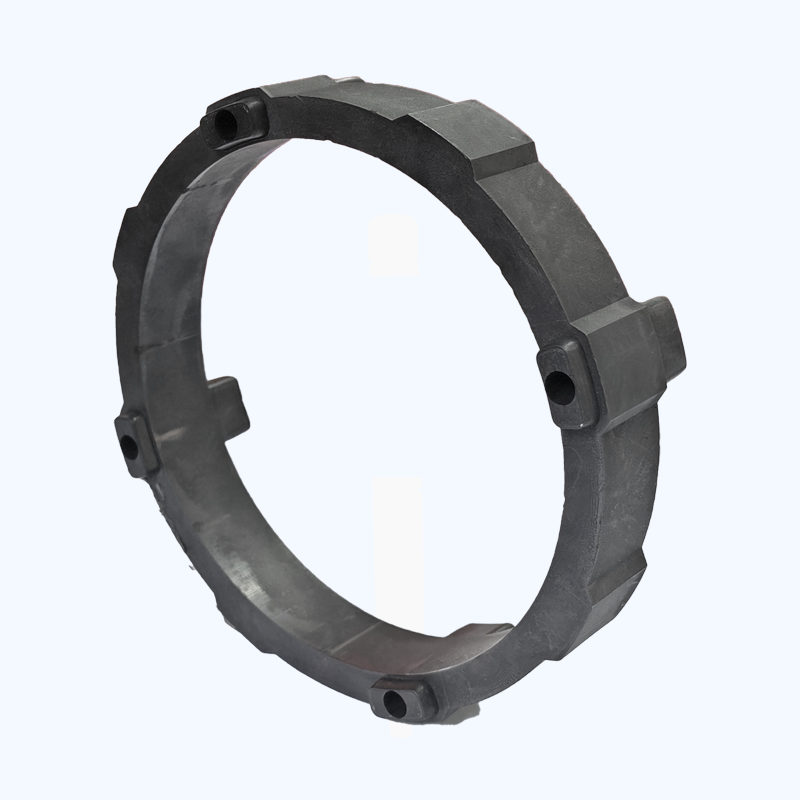
Temperature Resistance of Plastic-Based Magnetic Materials
The thermal capability of injection molded magnets depends mainly on the resin system.
Typical materials include:
| Material | Temperature Range |
|---|---|
| PA6 | Around 120°C |
| PA12 | 120-150°C |
| PPS | Up to 180°C |
When temperatures exceed the recommended range, the polymer matrix may soften and affect the stability of magnetic particles.
Therefore, these materials are commonly used in moderate-temperature motors, including:
- Fans
- Pumps
- Household appliances
- Small industrial equipment
High Temperature Capability of Compression Bonded Magnets
Compression bonded magnets use cured thermosetting resin structures.
The cross-linked resin network provides stronger thermal resistance and dimensional stability compared with conventional plastic-based materials.
Advantages include:
- Better heat resistance
- Stable magnetic properties
- Reduced deformation risk
- Longer operating life
These characteristics make them suitable for demanding motor environments.
Manufacturing Cost and Production Efficiency
Cost is another important consideration when selecting magnetic solutions.
Different manufacturing processes create different advantages in production.
Mass Production Advantages
Injection molding is highly suitable for large-scale manufacturing.
The process offers:
- Short production cycles
- High automation
- Consistent quality
- Lower labor requirements
- Reduced manufacturing cost
For applications requiring large annual production volumes, this method provides significant economic benefits.
Production Characteristics of Compression Bonded Magnets
Compression manufacturing requires additional steps such as:
- Powder preparation
- Pressing
- Curing
- Surface processing
The use of high-performance magnetic powder also increases material costs.
However, the additional investment provides stronger magnetic performance for applications requiring higher output.
How to Select the Right Motor Magnets?
The correct choice depends on the motor design, working environment, and performance requirements.
Choose Injection Molded Magnets For:
- High-volume production
- Complex shapes
- Lightweight components
- Cost-sensitive projects
- Motors requiring good mechanical durability
Choose Compression Bonded Magnets For:
- Higher magnetic output
- Precision motor applications
- Higher temperature environments
- Low-noise motor systems
- Advanced performance requirements
Applications of Bonded Magnetic Materials
Bonded magnetic materials are widely used in various industries, including:
- Automotive motors
- Sensors
- Pumps
- Cooling systems
- Medical equipment
- Consumer electronics
- Industrial automation
The flexibility of these materials allows engineers to develop compact, efficient, and reliable motor solutions.
Frequently Asked Questions
What are the main advantages of injection molded magnets?
They provide good toughness, flexible design options, and efficient manufacturing capability for high-volume applications.
What is the difference between bonded magnets and traditional magnets?
Bonded magnets combine magnetic powder with resin, providing greater design flexibility and easier manufacturing compared with many traditional processes.
Are compression bonded magnets suitable for high-temperature applications?
Yes. Their thermosetting resin structure provides better thermal stability for demanding environments.
How do manufacturers choose suitable magnetic materials?
Selection depends on magnetic performance, temperature requirements, mechanical stress, production volume, and cost targets.
Conclusion
The comparison between injection molded magnets and bonded magnets shows that each technology has specific advantages.
Injection molded solutions provide excellent toughness, manufacturing flexibility, and cost advantages for mass production.
Compression bonded solutions offer stronger magnetic performance and improved thermal stability for advanced motor applications.
By evaluating mechanical requirements, operating conditions, and production goals, engineers can select the most suitable magnetic materials for their products.