
Multipolar magnets are advanced magnetic components designed with multiple alternating north and south poles distributed across a single magnetic surface. Compared with traditional two-pole magnets, this structure provides more precise magnetic field control and improved operational performance.
These magnetic solutions are widely used in electric motors, automation systems, sensors, medical devices, and electronic equipment. The unique pole arrangement improves rotational smoothness, positioning accuracy, and energy efficiency in various applications.
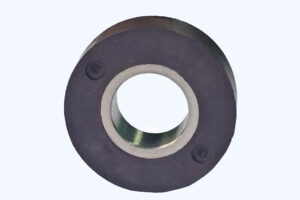
Because of their compact structure and strong magnetic capabilities, multipolar magnetic systems have become increasingly important in modern industrial and technological development.
Key benefits of multipolar magnets
One major advantage of multipolar magnets is enhanced magnetic precision. The alternating pole configuration allows smoother motion control and more stable rotational performance in motor-driven systems.
Another important benefit is higher energy efficiency. Optimized magnetic field distribution helps reduce power loss while improving torque output and operational responsiveness.
Compact equipment design is also easier to achieve because strong magnetic performance can be generated within limited space. This is especially useful for miniature motors, smart electronics, and automated devices.
In addition, advanced magnetic structures help reduce vibration and operational noise, improving system stability and overall user experience.
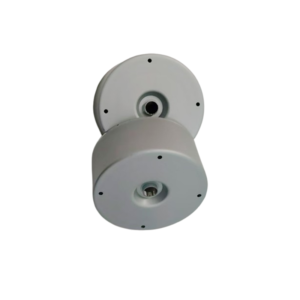
Applications of multipolar magnets in different industries
Multipolar magnets are used in many industries that require precision magnetic control and reliable system performance.
In electric motor systems, they improve efficiency, torque stability, and rotational smoothness for high-performance applications.
Automation equipment uses advanced magnetic pole structures for accurate positioning and motion control in manufacturing systems.
Sensor technologies rely on multipolar magnetic designs for speed measurement, rotational detection, and positioning accuracy in automotive and industrial applications.
Medical equipment also benefits from precision magnetic systems used in imaging devices, laboratory instruments, and diagnostic technologies.
Consumer electronics frequently use compact magnetic components in cooling fans, smart devices, and micro-motor applications.
Materials used in multipolar magnets manufacturing
Material selection directly influences magnetic strength, thermal stability, and durability.
NdFeB magnetic materials are commonly used because of their powerful magnetic force and high energy density. They are suitable for compact systems requiring strong performance.
Ferrite magnets are another popular choice due to their corrosion resistance and cost-effective manufacturing advantages.
SmCo magnetic materials are often selected for applications requiring excellent temperature resistance and long-term magnetic stability.
Precision manufacturing processes ensure consistent pole distribution and reliable magnetic performance.
How to choose the right multipolar magnets
Selecting suitable multipolar magnets depends on several factors including operating temperature, system size, rotational speed, and magnetic performance requirements.
Applications requiring high precision should focus on stable magnetic output and accurate pole alignment.
Industrial environments may require materials with higher heat resistance and long-term durability to ensure continuous operation.
Working with an experienced magnetic manufacturer helps optimize material selection, pole configuration, and production accuracy based on application needs.
Why choose professional magnetic solutions
Reliable magnetic engineering is essential for maintaining stable performance and operational efficiency.
At Highkos, we specialize in advanced magnetic solutions for industrial, automation, and electronic applications. Our products are designed with a focus on precision manufacturing, strong magnetic performance, and long-term durability.
Learn more here: https://www.highkos.com/
From customized pole design to material optimization, we provide professional support for various magnetic application requirements.
FAQ
What are multipolar magnets used for?
They are commonly used in motors, sensors, automation systems, medical equipment, and electronic devices.
Why are multipolar magnets important in motor systems?
They improve rotational smoothness, efficiency, and torque stability.
Which materials are commonly used for multipolar magnets?
NdFeB, ferrite, and SmCo materials are widely used depending on application requirements.
Can multipolar magnets be customized?
Yes, dimensions, magnetic strength, pole count, and materials can all be customized.
Are multipolar magnets suitable for industrial applications?
Yes, they are widely used in industrial automation and precision motion-control systems.
Conclusion
High-quality multipolar magnets play an important role in precision motion control, efficient motor systems, and advanced industrial equipment. With proper engineering and material selection, these magnetic solutions help improve system reliability, energy efficiency, and long-term operational performance.
If you are looking for customized magnetic solutions for industrial or electronic applications, our team is ready to help.
Contact us today to learn more about professional multipolar magnets designed for your specific project requirements.