
Many people ask, do fans have magnets inside them? The answer is yes. Most modern electric fans use magnets as part of their motor system to create movement and maintain stable operation. Whether it is a ceiling fan, computer cooling fan, industrial ventilation system, or automotive radiator fan, magnetic technology plays an important role in how these devices function.
Magnets allow fan motors to convert electrical energy into mechanical rotation efficiently. Without magnetic force, electric fan motors would not be able to spin the blades smoothly or maintain consistent airflow.
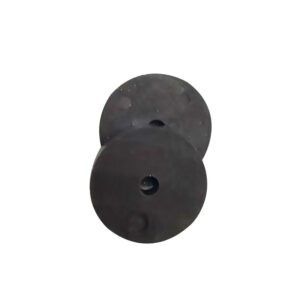
How Fan Motors Use Magnets
To understand do fans have magnets, it is important to understand how electric motors work. Most fan motors contain two key parts:
- Electromagnetic coils
- Permanent magnets
When electricity passes through the coils, a magnetic field is created. This magnetic field interacts with the permanent magnets inside the motor, causing the rotor to spin. The spinning rotor then drives the fan blades to generate airflow.
This process allows electric fans to operate continuously while maintaining stable speed and energy efficiency.
Do Fans Have Magnets in Ceiling Fans?
Ceiling fans are one of the most common examples when discussing do fans have magnets. Traditional ceiling fans use AC induction motors, while many modern energy-saving models use brushless DC motors.
Brushless DC ceiling fans rely heavily on permanent magnets because they provide:
- Quieter operation
- Lower power consumption
- Improved speed control
- Longer service life
Magnetic motor technology helps ceiling fans run smoothly with reduced vibration and better efficiency.
Do Fans Have Magnets in Computer Cooling Systems?
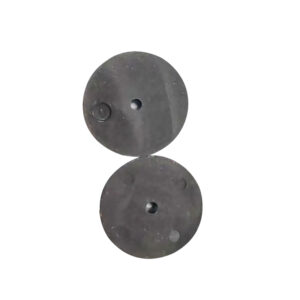
Computer cooling systems also answer the question: do fans have magnets? Yes, computer fans use compact brushless motors that contain small permanent magnets.
These magnetic motors allow cooling fans to:
- Rotate at high speed
- Produce lower noise
- Reduce heat buildup
- Improve system stability
Laptops, gaming computers, servers, and graphics cards all depend on magnetic fan motors for thermal management.
Why Magnets Are Important in Fans
Understanding do fans have magnets also explains why magnetic materials are essential in modern motor technology.
Efficient Energy Conversion
Magnets help convert electrical power into mechanical motion efficiently, reducing energy loss during operation.
Stable Blade Rotation
Magnetic force allows smoother and more stable motor rotation, improving airflow consistency.
Reduced Mechanical Wear
Brushless motors use magnetic interaction instead of physical contact brushes, lowering friction and extending lifespan.
Quiet Performance
Magnetic motors reduce vibration and noise, especially in home appliances and computer cooling systems.
Types of Magnets Used in Fan Motors
When asking do fans have magnets, many people also want to know what kind of magnets are used.
Common magnetic materials include:
- Ferrite magnets
- Neodymium magnets
- Rare earth magnetic materials
Ferrite magnets are widely used because they offer:
- Good temperature stability
- Low manufacturing cost
- Reliable magnetic performance
High-performance cooling systems may use neodymium magnets because of their stronger magnetic force and compact size.
Manufacturers like Highkos Magnet produce magnetic materials used in electronic motors, industrial equipment, and cooling applications.
Do Industrial Fans Have Magnets?
Industrial ventilation systems provide another clear answer to the question do fans have magnets. Heavy-duty industrial fans rely on magnetic motors to maintain stable airflow under demanding operating conditions.
These systems are commonly used in:
- Factories
- Warehouses
- Manufacturing facilities
- HVAC systems
- Industrial cooling equipment
Magnetic motor technology helps industrial fans operate continuously with high reliability and energy efficiency.
Do Automotive Fans Have Magnets?
Vehicle cooling systems also demonstrate that do fans have magnets is an important question in automotive engineering.
Radiator cooling fans use electric motors with magnetic components to:
- Regulate engine temperature
- Improve cooling efficiency
- Reduce overheating risk
- Maintain stable airflow
Modern electric vehicles and hybrid systems rely heavily on efficient magnetic motor technology.
Advantages of Brushless Magnetic Fan Motors
Brushless fan motors have become increasingly popular because magnetic systems provide several advantages:
- Higher energy efficiency
- Longer lifespan
- Lower maintenance requirements
- Reduced electrical noise
- Better speed control
These benefits make magnetic fan motors ideal for electronics, automotive systems, industrial machinery, and home appliances.
Conclusion
So, do fans have magnets? In most modern electric fans, the answer is absolutely yes. Magnets are essential components inside fan motors, allowing efficient energy conversion, stable rotation, quiet operation, and long-term reliability.
From ceiling fans and computer cooling systems to industrial ventilation equipment and automotive cooling fans, magnetic motor technology continues to support the performance and efficiency of modern electronic devices.
FAQ
Do fans have magnets inside the motor?
Yes. Most electric fans use magnetic systems inside the motor to generate rotation.
Why do fans need magnets?
Magnets help convert electrical energy into mechanical movement efficiently and smoothly.
Do computer fans have magnets?
Yes. Most computer cooling fans use brushless magnetic motors.
What magnets are commonly used in fans?
Ferrite magnets and neodymium magnets are commonly used in fan motors.
Are magnetic fan motors better?
Magnetic brushless motors are generally quieter, more efficient, and longer-lasting than traditional brushed motors.