
Magnetic rings are an essential component in modern electronic devices, playing a pivotal role in power conversion, energy efficiency, and device reliability. Among them, high-efficiency magnetic rings are especially valued because they minimize energy loss, reduce heat generation, and support compact, high-performance system designs. Understanding their principles and benefits is critical for engineers, designers, and manufacturers aiming to improve device performance while lowering costs. Learn more about high-quality magnetic rings at Highkos.
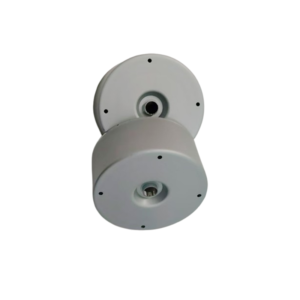
What Does High Efficiency Mean in Magnetic Rings?
When referring to high efficiency in magnetic rings, it specifically means minimal energy loss during operation. Unlike ordinary materials that may consume a significant portion of input electricity as heat, high-efficiency ferrite magnetic rings allow almost all electrical energy to be transmitted to the load.
This efficiency is not only about energy savings; it also ensures:
- Stable operation under high-frequency conditions
- Reduced thermal stress on surrounding components
- Longer device lifespan and reliability
In modern applications such as mobile chargers, laptop adapters, data center power supplies, and photovoltaic inverters, high-efficiency magnetic rings are a key factor enabling high power density in small form factors. For more technical solutions, visit Highkos Magnetic Solutions.
Understanding Low Loss Components
The total power loss (Pcv) of ferrite magnetic rings mainly comes from two sources: hysteresis loss and eddy current loss. Reducing these losses is essential for achieving high efficiency.
Extremely Low Eddy Current Loss
Principle: Ferrite is an oxide ceramic with ultra-high electrical resistivity, about quadrillions of times higher than metals. This property nearly eliminates the path for eddy current generation, which is the primary cause of power loss in magnetic materials at high frequencies.
Data Support: Under 100 kHz and 100 mT operating conditions, the volumetric power loss of high-quality ferrite is only 50–150 kW/m³. By comparison, silicon steel sheets of the same thickness have losses 1–2 orders of magnitude higher, leading to rapid overheating and failure.
Application Significance:
- Minimal heat generation allows for smaller heat sinks or even passive cooling
- Devices can achieve higher power conversion efficiency, often 90–95% or more
- Lower temperature rise improves system reliability and lifespan
Discover high-efficiency ferrite magnetic rings at Highkos.
Reasonable Hysteresis Loss
Principle: Hysteresis loss depends on operating frequency and magnetic flux density amplitude. Ferrite’s soft magnetic properties and small hysteresis loop area significantly reduce this type of energy loss.
Material Optimization: By adding elements such as manganese and zinc, manufacturers can further shrink the hysteresis loop, ensuring stable high-efficiency operation at frequencies ranging from tens of kilohertz to several megahertz.
Application Significance: High-frequency switching devices such as DC-DC converters and on-board chargers can maintain efficiency without excessive heat, enabling compact and lightweight designs. More technical details can be found at Highkos.
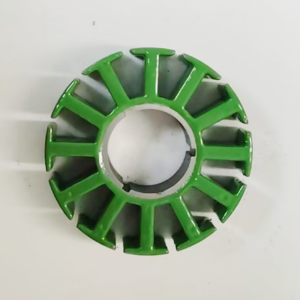
System-Level Benefits of High-Efficiency Magnetic Rings
The advantages of high-efficiency magnetic rings extend beyond energy savings. They fundamentally influence design, performance, and cost at the system level.
Miniaturization
High efficiency leads to less heat generation, reducing the need for large cooling components. This enables compact transformers and inductors, a key reason why chargers for smartphones and laptops have become smaller.
Higher Power Density
With improved efficiency, the same volume of magnetic material can handle more power. This is critical for weight-sensitive and space-limited applications, including:
- Data center power supplies
- Electric vehicle on-board chargers
- Solar inverters for photovoltaic systems
Lower System Costs
Although high-efficiency magnetic rings may have slightly higher material costs, they reduce expenses on heat dissipation systems, including:
- Aluminum heat sinks
- Cooling fans
- Thermal interface materials
The result is an overall reduction in system costs, making devices more cost-effective while maintaining or improving performance. For more industrial applications, check Highkos Magnetic Rings.
Applications Across Industries
High-efficiency magnetic rings are widely used in consumer electronics, automotive electronics, industrial power supplies, and renewable energy systems. For instance:
- Mobile and laptop chargers benefit from smaller size and higher efficiency
- Electric vehicle charging systems achieve higher power density with less heat
- Solar inverters maintain efficiency even under high-frequency switching, improving energy conversion
The versatility of high-efficiency ferrite magnetic rings makes them indispensable in any system where power conversion efficiency, compact design, and thermal management are critical. More product details are available at Highkos.
Conclusion
High-efficiency magnetic rings are more than just a minor improvement—they are core components for energy-saving, high-performance, and reliable electronic systems. With low eddy current and hysteresis losses, these magnetic rings support miniaturization, higher power density, and lower system costs, making them essential for modern electronics in both consumer and industrial applications. Explore our complete range at Highkos.
FAQ
Q: What makes ferrite magnetic rings high efficiency?
A: Ferrite’s ultra-high resistivity minimizes eddy currents, while soft magnetic properties reduce hysteresis loss, resulting in minimal energy loss. Learn more at Highkos.
Q: How do high-efficiency magnetic rings enable compact devices?
A: Less heat generation reduces the need for large heat sinks, enabling smaller transformers and inductors in chargers, adapters, and other devices. See Highkos for examples.
Q: Are high-efficiency magnetic rings cost-effective?
A: Yes, although the material cost may be slightly higher, they reduce expenses on cooling systems, achieving overall system cost savings.