
Introduction to How to Make a Fan with Magnets
Understanding how to make a fan with magnets is an excellent way to learn the basics of magnetic force and modern motor technology. Many modern fans use magnetic systems inside brushless motors to achieve smooth, efficient, and quiet operation. By combining permanent magnets with electromagnetic coils, a fan can rotate continuously with minimal friction and energy loss.
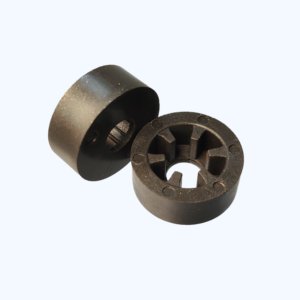
Today, the concept of how to make a fan with magnets is widely applied in household appliances, cooling systems, and industrial ventilation equipment. The use of magnetic technology improves efficiency while extending the lifespan of the motor. For professional magnetic materials and customized solutions, visit https://www.highkos.com/.
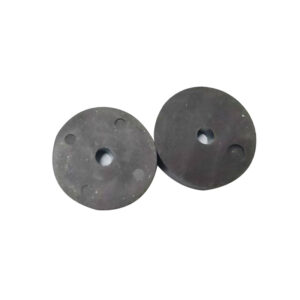
How Magnetic Fans Work
Magnetic Interaction
To understand how to make a fan with magnets, it is important to know how magnetic fields interact. Permanent magnets generate a stable magnetic field, while electrical current passing through coils creates an electromagnetic field. The attraction and repulsion between these magnetic fields produce rotational force, allowing the fan blades to spin.
Rotor and Stator Design
In a magnetic fan system, magnets are typically installed on the rotor, while coils are placed on the stator. When the electromagnetic field changes direction, the rotor follows the rotating field and generates continuous movement. Proper alignment between these components is essential for smooth operation.
Brushless Motor Technology
Brushless motor systems are one of the most common examples of how to make a fan with magnets in real applications. Without mechanical brushes, these motors reduce friction, improve efficiency, and minimize operating noise. This technology is commonly used in ceiling fans, computer cooling systems, and smart appliances.
Step-by-Step Guide on How to Make a Fan with Magnets
Step 1: Choose Suitable Magnets
Select high-quality permanent magnets such as ferrite or neodymium magnets. Strong and stable magnetic properties are important for efficient fan rotation.
Step 2: Assemble the Rotor
Attach the magnets evenly around the rotor. The poles should alternate between north and south to create balanced magnetic interaction. This is a critical step in how to make a fan with magnets successfully.
Step 3: Build the Coil System
Wrap copper wire around the stator area to create electromagnetic coils. When powered, the coils generate a rotating magnetic field that interacts with the rotor magnets.
Step 4: Connect the Power Supply
Use a controlled electrical source to activate the coils. Alternating current or electronic control systems can be used to maintain continuous rotation.
Step 5: Test and Optimize Performance
After assembly, test the fan to ensure stable rotation. Adjust the magnet spacing, coil alignment, and power settings to improve efficiency and reduce vibration. For high-quality magnetic components, explore https://www.highkos.com/.
Advantages of Using Magnets in Fans
- Energy Efficiency: Reduced friction lowers energy consumption
- Quiet Operation: Brushless systems generate less noise
- Long Lifespan: Fewer mechanical contact points reduce wear
- Stable Performance: Magnetic systems provide smoother rotation
Another important advantage is compatibility with smart control systems, allowing precise speed adjustment and improved airflow control.
Applications of Magnetic Fan Technology
- Ceiling Fans: Energy-saving residential and commercial fan systems
- Computer Cooling Fans: Compact and reliable cooling solutions
- Industrial Ventilation: Efficient airflow systems for factories and equipment
- Educational Projects: Demonstrating magnetic and motor principles in science learning
As technology continues to advance, magnetic fan systems are becoming increasingly popular in modern energy-efficient products.
Conclusion
Learning how to make a fan with magnets helps explain the principles behind modern brushless motor technology. By combining permanent magnets, electromagnetic coils, and proper system design, it is possible to create efficient, quiet, and durable fan systems. This technology continues to play an important role in smart appliances, cooling systems, and industrial applications.
FAQ: How to Make a Fan with Magnets
1. What magnets are commonly used in fan motors?
Ferrite and neodymium magnets are widely used because of their strong and stable magnetic properties.
2. Can magnets alone spin a fan?
Magnets work together with electromagnetic coils to create continuous motion.
3. Why are brushless fans more efficient?
They reduce friction and energy loss by eliminating mechanical brushes.
4. Is this technology suitable for DIY projects?
Yes, simple magnetic fan systems are popular for educational and hobby applications.
5. Where can I find quality magnetic components?
You can source reliable magnetic materials from https://www.highkos.com/.
Call to Action
Interested in learning more about how to make a fan with magnets? Contact us today! Our team provides professional support and high-quality magnetic solutions through https://www.highkos.com/ to help you create efficient and reliable fan systems.