
Understanding How to Injection Mold Magnets
The question “how to injection mold magnets” refers to the process of embedding magnets into plastic components during injection molding. Many engineers and designers want to learn how to injection mold magnets to create functional assemblies efficiently while maintaining precise component geometry.
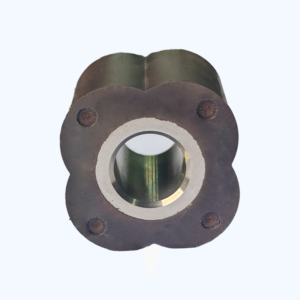
This process is widely applied in industries such as electronics, automotive, and medical devices, where compact design, high precision, and durability are essential. Understanding how to injection mold magnets ensures reliable magnetic functionality without the need for secondary assembly or adhesives. In addition, this method supports lightweight product development, which is increasingly important in energy-efficient systems.
Preparing Magnets for Injection Molding
Before molding, magnets must be carefully coated or treated to withstand the high heat and pressure of injection molding. Common magnets include neodymium iron boron (NdFeB) and ferrite. Proper positioning in the mold is crucial to ensure accurate alignment and optimal performance after molding.
Knowing how to injection mold magnets helps in selecting the right coatings, mold fixtures, and thermoplastic materials. It also ensures that the magnets maintain their magnetic properties throughout the molding process, which is critical for high-performance applications.
Injection Molding Process
Once magnets are placed in the mold, molten plastic is injected to encapsulate them. This process requires precise control of temperature, pressure, and flow to prevent magnet shifting or demagnetization. Understanding how to injection mold magnets allows manufacturers to optimize mold design, material selection, and processing parameters for consistent, high-quality results.
For more details on advanced molding capabilities, visit our injection molding services.
Finishing and Quality Assurance
After molding, parts are cooled and inspected for correct magnet placement, alignment, and surface finish. Optional post-processing such as trimming, coating, or overmolding enhances durability and corrosion resistance.
Knowing how to injection mold magnets ensures that finished components meet both functional and aesthetic requirements. You can explore more material options and finishing techniques on our magnetic materials page. Quality control at this stage is essential to guarantee product reliability and long-term performance.
Advantages of Injection Molding Magnets
- Integrated Design: Combines plastic parts and magnets in a single step
- Cost Efficiency: Reduces labor, handling, and assembly costs
- Precise Alignment: Maintains optimal magnet positioning for performance
- Lightweight & Compact: Ideal for modern automotive and electronic products
- Customization: Supports magnets of various sizes, shapes, and orientations
By learning how to injection mold magnets, engineers can simplify assembly, improve product reliability, and optimize material usage while maintaining design flexibility.
Applications
- Automotive Components: Sensors, actuators, and motor housings
- Consumer Electronics: Headphones, wearables, and compact devices
- Medical Devices: Precision instruments and diagnostic tools
As industries demand smaller and more efficient components, this process becomes increasingly valuable. For customized solutions, visit our custom manufacturing services.
Challenges and Future Trends
The main challenge is ensuring magnets withstand heat and pressure without losing magnetic strength. Innovations in protective coatings, mold design, and thermoplastic formulations continue to improve performance and reliability.
Future trends include high-performance magnets, eco-friendly plastics, and automated molding systems that enhance efficiency, precision, and scalability. These advancements will further expand the applications of this technology.
Conclusion
So, how to injection mold magnets? By carefully preparing magnets, selecting suitable materials, and controlling the molding process, manufacturers can produce precise, integrated magnetic components efficiently. This approach reduces assembly steps, lowers costs, and enables compact, high-performance designs.
FAQ: How to Injection Mold Magnets
1. Can magnets be injection molded?
Yes, with proper preparation, positioning, and material selection, magnets can be molded within plastic components.
2. What materials are suitable?
NdFeB and ferrite magnets combined with thermoplastic resins are commonly used.
3. Is this process cost-effective?
Yes, it reduces labor, assembly steps, and material waste.
4. Which industries use this technique?
Automotive, electronics, and medical industries widely use it.
5. How is magnet alignment ensured?
Through precise mold design, fixturing, and protective coatings during injection.
Call to Action
Looking to integrate magnets into your plastic components? Learn how to injection mold magnets with our expert team! Contact us today for custom injection molding services and achieve precise, reliable, and cost-effective solutions.