
In today’s rapidly evolving industrial and electronic landscape, precision sensing plays a crucial role in ensuring performance, safety, and efficiency. One of the most important components in motion detection and position control systems is the Magnetic Ring Sensor, which enables accurate signal feedback in a wide range of applications.
From automotive systems to industrial automation and smart appliances, manufacturers rely on advanced sensing technologies to maintain stable and efficient operations. Choosing a high-quality sensing solution is essential for achieving consistent results and long-term reliability.
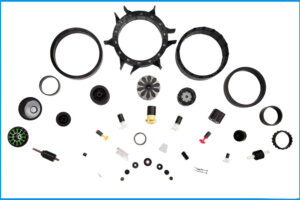
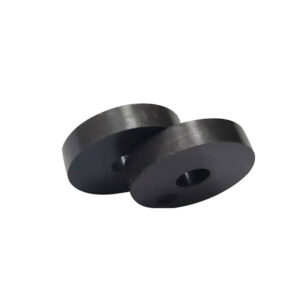
The Role of Magnetic Ring Sensor in Detection Systems
A Magnetic Ring Sensor works by detecting magnetic field variations generated by a rotating or stationary magnetic ring. These changes are converted into electrical signals, which are then used to determine position, speed, or direction.
This type of sensing technology is widely used because of its:
- High accuracy and repeatability
- Non-contact measurement capability
- Resistance to wear and mechanical fatigue
- Stability under harsh environments
These advantages make it an ideal solution for modern motion control systems.
Types of Magnetic Ring Sensor Technologies
Different sensing requirements call for different types of solutions. Common configurations include:
1. Hall-Based Sensors
These sensors use the Hall effect principle to detect magnetic field changes and are commonly used for speed and position detection.
2. Magnetoresistive Sensors
Offering higher sensitivity, these are suitable for applications requiring precise angular or linear measurements.
3. Integrated Sensor Systems
These combine sensing elements with signal processing circuits, providing enhanced accuracy and simplified system integration.
Each type of Magnetic Ring Sensor is selected based on performance requirements, environmental conditions, and system design.
Manufacturing Process and Key Considerations
Producing reliable sensing components requires advanced engineering and strict quality control.
Design and Simulation
Engineers use simulation tools to model magnetic field distribution and optimize sensor placement for maximum accuracy.
Material Selection
High-quality magnetic materials and semiconductor components are selected to ensure stability and durability.
Precision Assembly
Accurate alignment between the magnetic ring and sensing element is critical to achieving consistent performance.
Testing and Calibration
Each sensor undergoes rigorous testing for:
- Signal accuracy
- Temperature stability
- Mechanical durability
- Electrical performance
This ensures reliable operation across a wide range of conditions.
Applications of Magnetic Ring Sensor Across Industries
The Magnetic Ring Sensor is widely used in multiple industries due to its versatility and reliability.
Automotive Systems
Used in wheel speed detection, steering angle measurement, and motor control systems to ensure safety and efficiency.
Industrial Automation
Applied in robotics, conveyor systems, and CNC machines for precise motion control and position feedback.
Home Appliances
Used in washing machines, fans, and smart devices to improve efficiency and reduce noise.
Renewable Energy and HVAC
Helps monitor and control motors in wind systems, pumps, and ventilation equipment, ensuring stable operation.
Advantages of Using Magnetic Ring Sensor
- Non-contact operation reduces wear and maintenance
- High reliability even in harsh environments
- Compact design suitable for modern equipment
- Flexible customization for different applications
These benefits make this sensing solution a preferred choice for engineers and manufacturers.
How to Choose the Right Supplier
Selecting the right partner is essential for achieving optimal performance. Key factors include:
- Experience in sensor and magnetic component manufacturing
- Strong R&D and customization capabilities
- High-quality materials and strict quality control
- Proven track record in industrial applications
- Technical support for integration and optimization
A reliable supplier ensures your Magnetic Ring Sensor performs consistently and meets application requirements.
Case Example: Enhancing System Accuracy
A manufacturer of automated equipment upgraded its sensing system with precision-engineered magnetic sensing components. The results included:
- Improved positioning accuracy
- Reduced system errors
- Lower maintenance requirements
- Increased overall efficiency
This demonstrates how proper sensor selection can significantly improve system performance.
Conclusion
The Magnetic Ring Sensor plays a vital role in modern sensing and control systems. Its ability to deliver accurate, reliable, and non-contact measurement makes it indispensable in automotive, industrial, and consumer applications. By choosing high-quality components and working with experienced manufacturers, businesses can achieve improved efficiency, reliability, and long-term performance.
Take Action Today
Upgrade your systems with advanced sensing solutions designed for precision and durability. Visit https://www.highkos.com/ to explore innovative products and capabilities. Contact us today to discuss your project and receive a customized solution tailored to your needs.
FAQ
What is a Magnetic Ring Sensor used for?
It is used to detect position, speed, or rotation by sensing changes in magnetic fields.
What are the main types available?
Hall-based, magnetoresistive, and integrated sensor systems are the most common.
Can these sensors be customized?
Yes, including size, sensitivity, output signal, and integration design.
Which industries use this technology?
Automotive, industrial automation, home appliances, and energy systems.
What are the key advantages?
High accuracy, non-contact operation, durability, and adaptability to different environments.