
Modern manufacturing processes increasingly rely on high-performance magnetic components to improve efficiency, reduce energy consumption, and maintain equipment reliability. At the heart of many industrial machines are magnets for manufacturing, which play a critical role in generating force, stabilizing motion, and ensuring long-term operational performance.
Industries ranging from automotive production to home appliance assembly and precision machinery depend on high-quality magnets for manufacturing. Selecting the right magnets and a trusted supplier is essential for achieving consistent results and maximizing productivity.
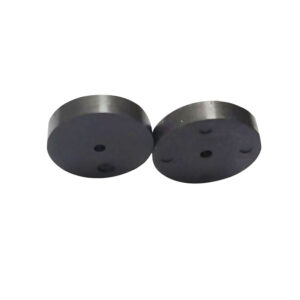
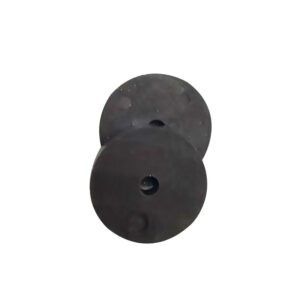
The Role of Magnets for Manufacturing in Industrial Processes
Magnets for manufacturing are used in various machines and equipment to control motion, hold components in place, and transfer energy efficiently. Their strength, alignment, and durability directly affect:
-
Equipment efficiency
-
Operational stability
-
Energy consumption
-
Noise and vibration levels
-
Equipment lifespan
High-quality magnets ensure that industrial processes run smoothly, even under heavy loads or continuous operation. Poor-quality magnets can lead to inconsistent results, higher energy usage, and faster wear of machinery components.
Types of Magnets for Manufacturing
Choosing the right type of magnets for manufacturing is crucial for specific applications. The most common materials include:
1. Neodymium (NdFeB) Magnets
-
High energy density: Ideal for precision machinery requiring strong magnetic force.
-
Efficient: Reduces energy consumption and increases performance.
-
Durable: Resistant to demagnetization and high-temperature operation.
2. Ferrite Magnets
-
Cost-effective: Suitable for large-scale or budget-conscious production lines.
-
Moderate performance: Adequate for general manufacturing tasks.
-
Corrosion-resistant: Useful in environments with humidity or exposure to air moisture.
In some advanced industrial machines, manufacturers combine different materials to balance cost, efficiency, and performance requirements.
Manufacturing Process of Magnets for Manufacturing
High-performance magnets for manufacturing are produced using precise processes to ensure reliability and consistency.
1. Design and Simulation
Engineers use CAD and Finite Element Analysis (FEA) software to simulate magnetic field interactions and optimize performance before manufacturing begins.
2. Material Preparation
Raw magnetic powders are mixed and pressed into the desired shapes. Uniform density and magnetic properties are ensured through rigorous quality control.
3. Sintering or Injection Molding
Depending on the type of magnet:
-
Sintering: Typically used for NdFeB magnets, providing high-density and stable properties.
-
Injection Molding: Often used for ferrite magnets, allowing complex shapes and cost-effective mass production.
4. Magnetization and Testing
Magnets are magnetized under controlled fields and tested for:
-
Magnetic strength
-
Polarity accuracy
-
Dimensional tolerance
-
Thermal stability
Only magnets meeting strict standards are incorporated into industrial equipment.
5. Surface Protection
Magnets are coated with nickel, epoxy, or zinc to prevent corrosion, improve wear resistance, and ensure long-term stability.
Applications of Magnets for Manufacturing
Magnets for manufacturing are used across a wide range of industries:
1. Automotive Industry
Used in electric motors, assembly machinery, and robotic automation, these magnets ensure precise control and high efficiency.
2. Home Appliance Manufacturing
Magnets stabilize motors and components in appliances such as refrigerators, air conditioners, and washing machines, improving performance and reducing noise.
3. Industrial Automation
Precision-engineered magnets support robotic arms, conveyor systems, and automated machinery, enabling consistent speed, torque, and motion control.
4. HVAC and Ventilation Systems
Magnets help maintain motor efficiency, reduce vibration, and ensure reliability in industrial fans and ventilation equipment.
Choosing the Right Supplier for Magnets for Manufacturing
Selecting a reliable supplier is crucial to achieving consistent quality and performance. Key considerations include:
-
Proven expertise in magnetic component production
-
High-quality materials, including NdFeB or ferrite powders
-
Customization capabilities for shape, size, and magnetic strength
-
Rigorous quality assurance and testing
-
Technical support for process optimization
A professional supplier can help optimize magnets for manufacturing, improving energy efficiency, reducing downtime, and extending machinery life.
Advantages of High-Quality Magnets for Manufacturing
-
Improved Efficiency: Reduce energy consumption without compromising performance.
-
Reduced Noise and Vibration: Stable magnetic fields improve operational smoothness.
-
Longer Equipment Lifespan: Durable magnets prevent premature wear.
-
Customizable: Tailored magnet designs meet specific machinery requirements.
High-quality magnets contribute directly to lower operational costs, increased production quality, and higher customer satisfaction.
Case Study: Improving Industrial Machinery Performance
A manufacturer of robotic assembly lines replaced standard magnets with precision-engineered magnets for manufacturing. Results included:
-
12% reduction in energy consumption
-
20% quieter operation
-
25% improvement in operational accuracy
-
Reduced maintenance costs by 18%
This illustrates how high-quality magnets can significantly improve manufacturing efficiency and equipment reliability.
Conclusion
Magnets for manufacturing are essential components that directly affect equipment efficiency, reliability, and durability. From automotive production to industrial automation and appliance manufacturing, precision-engineered magnets ensure smooth operation, energy savings, and reduced operational costs. Partnering with a trusted supplier guarantees optimal performance and long-term reliability.
Take Action Today
Optimizing manufacturing processes requires precision magnets for manufacturing. Explore our magnetic solutions to enhance your machinery performance. Contact Highkos today to discuss your project and receive a custom solution for your manufacturing needs.
FAQ
What are magnets for manufacturing used for?
They generate magnetic fields for motion control, stabilization, and energy transfer in industrial machines and equipment.
Which materials are commonly used?
NdFeB magnets for high-performance applications and ferrite magnets for cost-effective production.
Can magnets be customized?
Yes, including shape, magnetization pattern, strength, and protective coatings.
What industries use these magnets most?
Automotive, home appliance manufacturing, industrial automation, and HVAC/ventilation systems.
How does magnet quality affect manufacturing performance?
High-quality magnets improve efficiency, reduce vibration and noise, extend machinery life, and lower maintenance costs.