
Author | High Kos Magnet
Updated | December 2025
As global industries accelerate toward electrification, automation, and higher energy efficiency, the BLDC magnetic rotor has become one of the most critical components in modern motor systems. In 2025, engineers and manufacturers are under increasing pressure to develop motors that deliver higher performance, longer service life, lower acoustic noise, and reduced energy consumption—while simultaneously controlling costs and ensuring supply chain stability. Regulatory requirements, sustainability goals, and rising customer expectations further intensify these challenges, making correct BLDC magnetic rotor selection more important than ever before. The rotor is no longer just a mechanical part; it is a strategic design element that directly influences the competitiveness of the final product.
In many projects, however, the BLDC magnetic rotor is still treated as a secondary component and is often selected late in the design phase. This approach frequently leads to compromises in efficiency, torque consistency, thermal stability, or manufacturability. A mismatched BLDC motor rotor may introduce issues such as excessive vibration, uneven magnetic forces, magnet demagnetization, reduced efficiency, or even premature motor failure. These problems not only degrade product performance but also increase warranty claims, maintenance requirements, and long-term operating costs for end users.
By contrast, selecting the right BLDC magnetic rotor from the beginning allows designers to fully leverage the advantages of brushless motor technology. Proper rotor selection improves electromagnetic efficiency, enhances operational reliability, and simplifies mechanical and thermal integration at the system level. Early optimization also shortens development cycles and reduces redesign risk. This article provides a comprehensive, application-oriented guide to help you choose the right BLDC motor rotor for your application in 2025, covering rotor types, magnetic materials, performance factors, manufacturing quality, and emerging industry trends.
What Is a BLDC Motor Rotor and How Does It Work?
A BLDC magnetic rotor is the rotating magnetic element inside a brushless DC motor, and it plays a central role in converting electrical energy into mechanical motion. It works in close coordination with the stator windings to generate precise, controlled rotation through electronic commutation. Unlike traditional brushed motors, where mechanical brushes help regulate current flow, BLDC motors depend entirely on accurate magnetic interaction and advanced electronic control. This fundamental difference makes rotor design, magnetic material selection, and manufacturing precision especially critical to overall motor performance.
The BLDC magnetic rotor typically consists of permanent magnets that are mounted, bonded, or integrated directly onto a rotor core. In many modern designs, the rotor may also include an integrated shaft, hub, or injection-molded structure to improve mechanical strength and assembly efficiency. When the stator windings are energized in a specific sequence, they create a rotating magnetic field that continuously attracts and repels the rotor magnets, causing smooth and controlled rotation. The stability, strength, and uniformity of the rotor’s magnetic field directly influence torque output, energy efficiency, speed control accuracy, and acoustic performance.
Even small variations in magnet material properties, magnetization accuracy, or assembly concentricity can significantly affect motor behavior. Issues such as uneven torque, increased vibration, higher noise levels, or reduced efficiency may result. For this reason, modern BLDC magnetic rotor development requires a holistic design approach that integrates electromagnetic simulation, precise mechanical balancing, and careful thermal performance analysis to ensure consistent and reliable operation throughout the motor’s service life.
Key Functions of a BLDC Motor Rotor
-
A BLDC magnetic rotor generates a stable and consistent magnetic field that is essential for reliable torque production. This magnetic field must remain uniform throughout operation to ensure smooth interaction with the stator windings. Any instability or imbalance in the magnetic field can lead to torque ripple, reduced efficiency, or irregular motor behavior, especially under variable load conditions.
The rotor also determines the motor’s torque density and acceleration response. A well-designed BLDC magnetic rotor allows the motor to deliver higher torque within a compact size while enabling fast and precise acceleration. This is particularly important in applications such as robotics, automation, and electric mobility, where rapid response and accurate motion control are required.
In addition, the BLDC magnetic rotor has a direct influence on motor efficiency and power losses. Optimized magnetic materials and rotor geometry help minimize core losses, eddy current losses, and magnetic leakage, resulting in lower energy consumption and improved overall efficiency. The rotor design also affects noise, vibration, and operational smoothness. Precise magnet placement and proper balancing reduce mechanical vibration and acoustic noise, which is critical for applications with strict noise requirements.
Finally, the BLDC magnetic rotor plays a major role in motor durability and lifespan. High-quality magnetic materials and robust rotor structures resist thermal stress, mechanical fatigue, and demagnetization over time. Understanding how a BLDC motor rotor works is therefore the foundation for selecting the most suitable design and material solution for your specific application.
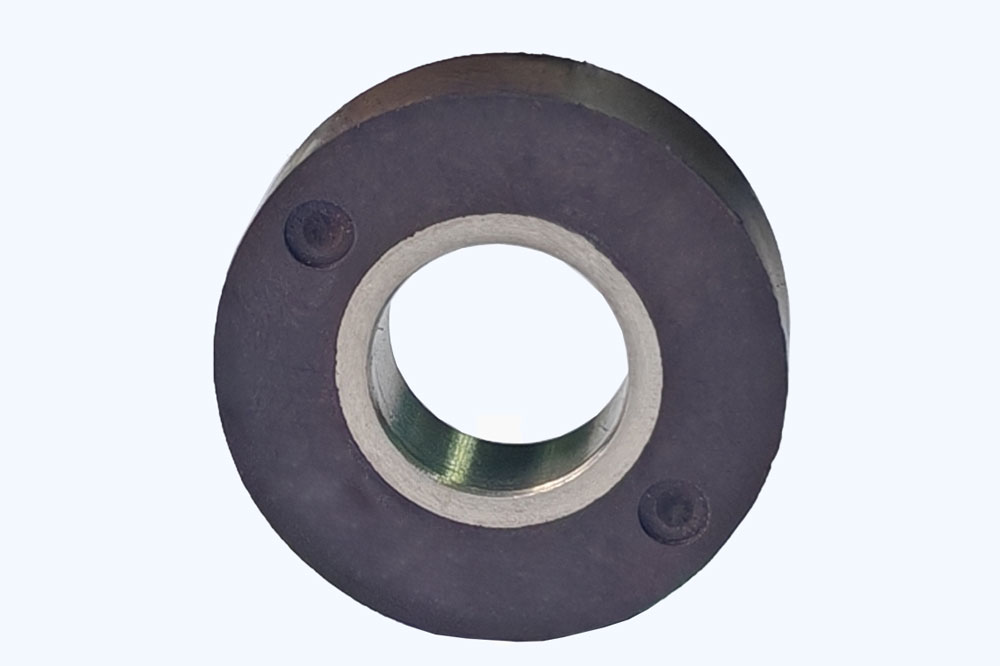
BLDC Motor Rotor Types: Inner Rotor vs Outer Rotor Design
One of the first decisions in BLDC motor design is choosing between an inner rotor and an outer rotor configuration, as this choice directly influences the motor’s performance characteristics and mechanical layout. Each BLDC magnetic rotor type offers unique advantages depending on factors such as required torque, operating speed, noise level, and available installation space. Inner and outer rotor designs differ in thermal behavior, torque density, and structural complexity, making it essential to evaluate application requirements carefully. Selecting the appropriate configuration at an early stage helps avoid design compromises and ensures the motor achieves optimal efficiency, reliability, and integration within the overall system.
Inner Rotor BLDC Motor Rotor Design
In an inner rotor configuration, the BLDC magnetic rotor is positioned inside the stator windings. This layout allows the stator to be directly connected to the motor housing, enabling efficient heat dissipation. As a result, inner rotor BLDC motor rotor designs are well suited for high-speed and high-power-density applications.
Inner rotor motors typically achieve faster acceleration and higher maximum speeds. Their compact outer diameter also makes them easier to integrate into space-limited systems such as industrial automation equipment, robotics, and power tools.
Advantages:
-
High rotational speed capability
-
Efficient thermal dissipation
-
Compact motor diameter
-
Proven, widely used design
Limitations:
-
Lower torque at low speeds
-
Requires precise balancing at high RPM
Inner rotor BLDC magnetic rotor are commonly chosen when speed, efficiency, and compactness are more important than low-speed torque.
Outer Rotor BLDC Motor Rotor Design
In outer rotor designs, the BLDC magnetic rotor surrounds the stator. This increases the effective radius of the rotor, resulting in higher torque output for the same magnetic force. Outer rotor BLDC motor rotor designs are known for smooth operation and low acoustic noise.
Because torque increases with radius, outer rotor designs are ideal for applications that require high torque at relatively low speeds. These include fans, blowers, drones, HVAC systems, and household appliances.
Advantages:
-
Higher torque density
-
Lower noise and vibration
-
Smooth low-speed operation
Limitations:
-
Larger outer diameter
-
More complex mechanical structure
Selecting the right BLDC motor rotor type ensures optimal performance and efficient system integration.
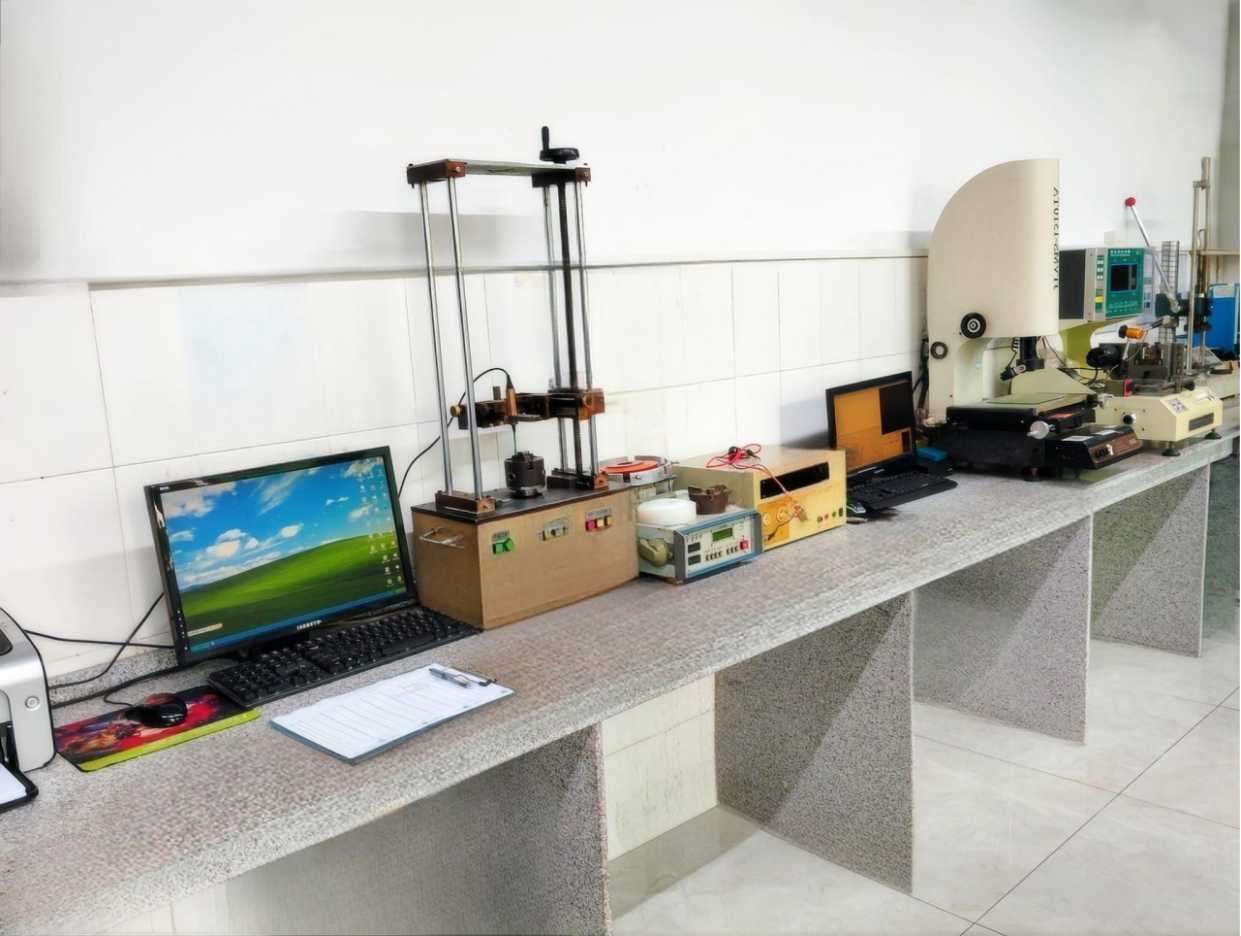
Magnetic Materials Used in BLDC Motor Rotor Manufacturing
The magnetic material used in a BLDC motor rotor determines its magnetic strength, thermal resistance, manufacturing complexity, and overall cost structure, all of which directly impact motor performance and reliability. Different materials offer varying levels of magnetic energy, temperature stability, and mechanical robustness, making material selection a critical engineering decision. Choosing the right material is essential for balancing performance and production efficiency, as it affects torque output, operating temperature limits, assembly processes, and scalability for mass production. A well-matched magnetic material helps ensure consistent quality, long service life, and cost-effective manufacturing across different application requirements.
Injection Molded Magnets in BLDC Motor Rotor Applications
Injection molded magnets, including injection molded ferrite and injection molded NdFeB, are increasingly used in modern BLDC magnetic rotor designs. These magnets are produced by combining magnetic powder with a polymer binder and forming the final shape through injection molding.
This process enables complex geometries, tight dimensional tolerances, and integration of multiple functions into a single component. Injection molded magnets are highly suitable for automated, high-volume production.
Key advantages:
-
Complex and integrated rotor shapes
-
Excellent dimensional consistency
-
Reduced assembly steps and labor cost
-
Cost-effective mass production
Injection molded magnets are widely used in BLDC magnetic rotor for automotive auxiliary systems, HVAC equipment, and consumer electronics.
Sintered Magnets for High-Performance BLDC Motor Rotor Designs
Sintered NdFeB magnets offer significantly higher magnetic energy density compared to molded magnets, enabling much stronger magnetic fields within a smaller volume. This characteristic makes them ideal for BLDC motor rotor applications that require maximum torque output in a compact and space-constrained design. Because of their high magnetic performance, sintered NdFeB magnets are widely used in high-power, high-efficiency motors where performance cannot be compromised.
Benefits:
-
High torque density that supports compact motor designs
-
Strong and stable magnetic field for consistent performance
-
Suitable for demanding operating conditions such as high load and elevated temperatures
However, sintered magnets are more brittle than molded alternatives and are sensitive to mechanical stress. They require careful handling, precise assembly, and strict quality control, which increases manufacturing complexity and overall production cost.
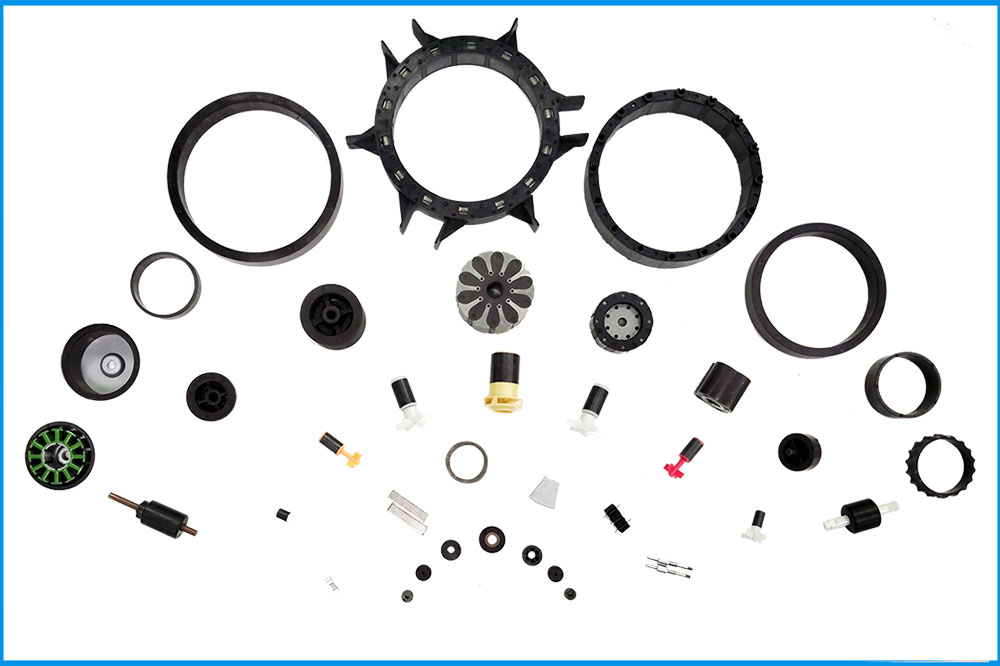
How BLDC Motor Rotor Design Impacts Performance
BLDC motor rotor design has a direct impact on overall motor performance, efficiency, and reliability, as it defines how effectively electromagnetic forces are generated and controlled within the motor. Factors such as rotor geometry, magnet placement, pole configuration, and air-gap uniformity all influence torque output, speed stability, and energy conversion efficiency. Optimizing rotor geometry and magnetic layout is essential for achieving balanced performance because it helps reduce torque ripple, minimize magnetic and mechanical losses, and improve thermal behavior. A well-optimized BLDC motor rotor ensures smooth operation, consistent output, and long-term reliability across a wide range of operating conditions.
Torque and Efficiency Considerations
Magnet placement, pole count, and flux distribution determine how efficiently electromagnetic energy is converted into mechanical torque. A well-designed BLDC motor rotor minimizes magnetic leakage and iron losses, resulting in higher efficiency across a wide speed range.
Noise and Vibration Control in BLDC Motor Rotor Systems
Noise and vibration often originate from rotor imbalance, eccentricity, or uneven magnetic forces. Precision manufacturing, accurate magnet positioning, and dynamic balancing are critical for low-noise BLDC motor rotor applications such as medical devices and household appliances.
Thermal Stability of BLDC Motor Rotor Assemblies
High operating temperatures can cause magnet demagnetization and performance degradation. Selecting appropriate magnet grades and rotor structures ensures long-term thermal stability and reliable operation.
Application-Specific Guidelines for Choosing a BLDC Motor Rotor
Different industries impose different requirements on BLDC motor rotor performance, durability, and cost.
BLDC Motor Rotor for Electric Vehicles and E-Mobility
Electric vehicle applications require high torque density, excellent thermal resistance, and long service life. Injection molded NdFeB BLDC motor rotors are increasingly used for pumps, fans, and auxiliary drive systems due to their efficiency and design flexibility.
BLDC Motor Rotor for Industrial Automation
Industrial automation demands consistent performance, resistance to vibration, and long-term reliability. Inner rotor BLDC motor rotors with robust magnetic materials are commonly used in these environments.
BLDC Motor Rotor for HVAC and Fan Systems
HVAC systems prioritize low noise, high efficiency, and cost control. Outer rotor BLDC motor rotors with injection molded ferrite magnets provide an optimal balance between performance and affordability.
Manufacturing Quality Factors That Affect BLDC Motor Rotor Reliability
Even the best BLDC motor rotor design cannot deliver reliable performance without consistent manufacturing quality. Precise control over materials, processes, and assembly is essential to ensure that every rotor performs as intended in real-world operating conditions. Variations in magnet properties, molding accuracy, or assembly alignment can lead to efficiency loss, increased vibration, or premature failure. For this reason, supplier capability plays a crucial role in long-term success. An experienced and well-equipped manufacturer ensures stable quality, repeatability across production batches, and dependable supply, all of which are critical for maintaining product performance and reducing long-term operational risk.
Key Manufacturing Factors
-
Magnetic material consistency
-
Precision injection molding or assembly
-
Rotor concentricity and balance control
-
Strict quality inspection and testing
High-quality manufacturing ensures stable BLDC motor rotor performance across large production volumes.
BLDC Motor Rotor Trends to Watch in 2025
Several trends are shaping BLDC motor rotor development in 2025:
-
Increased adoption of injection molded magnetic materials
-
Integrated rotor–shaft–magnet assemblies
-
Lightweight designs for improved energy efficiency
-
Growing demand for customized BLDC motor rotor solutions
Manufacturers that align with these trends gain a competitive advantage in both performance and cost efficiency.
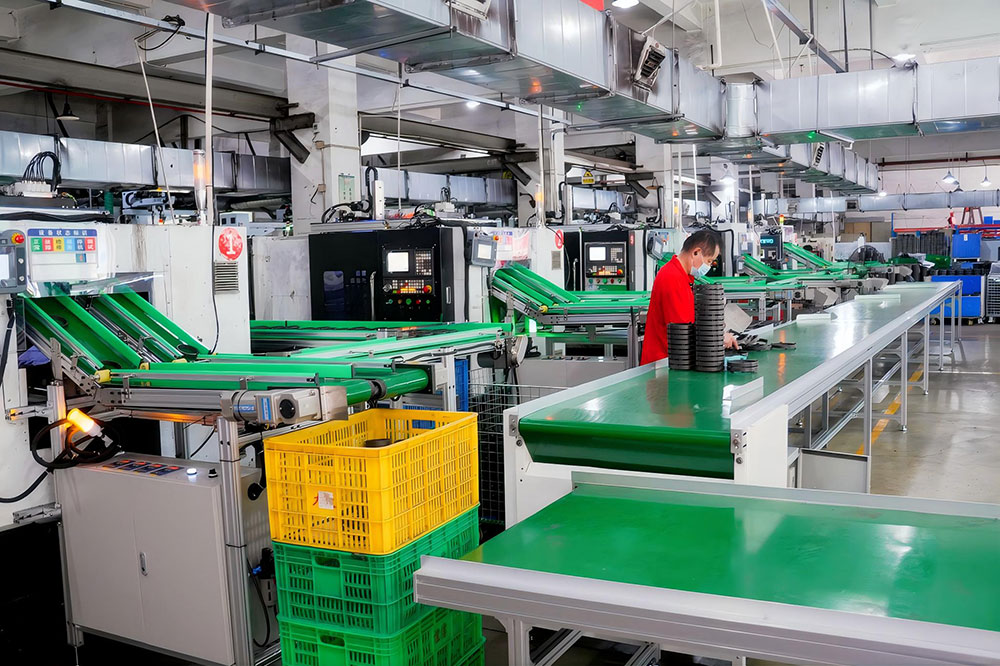
Why Choose High Kos Magnet for Your BLDC Motor Rotor Solutions?
Zhongshan High Kos Magnet Technology Co., Ltd. is a high-tech enterprise specializing in the research, production, and sales of magnetic products, with strong expertise in both injection molded magnets and sintered magnetic materials. The company has long been committed to advancing magnetic technology and delivering reliable, high-performance solutions for a wide range of industrial applications. By combining in-house research and development with modern manufacturing processes, High Kos Magnet is able to provide stable quality and consistent performance across large production volumes.
With deep technical experience in injection molded ferrite and injection molded NdFeB magnets, the company supports complex and integrated magnetic designs that meet the evolving needs of modern motor systems. At the same time, its capabilities in sintered magnetic materials enable high-torque and high-efficiency solutions for demanding BLDC motor rotor applications. Advanced production equipment, strict quality control systems, and a customer-oriented approach allow High Kos Magnet to offer customized magnetic solutions, shorten development cycles, and help customers improve product performance while maintaining cost efficiency and long-term reliability.
Our Advantages in BLDC Motor Rotor Manufacturing
-
Expertise in injection molded ferrite and NdFeB magnets
-
Strong sintered magnet manufacturing capability
-
In-house R&D and custom BLDC motor rotor solutions
-
Advanced injection molding and precision production
-
Stable quality, scalable output, and fast response
We provide comprehensive magnetic solutions that help customers optimize BLDC motor rotor performance while controlling cost and reducing development risk.
Frequently Asked Questions About BLDC Motor Rotor Selection
Q1: How do I choose the right BLDC motor rotor material?
Material selection depends on torque requirements, operating temperature, design complexity, and cost targets. Injection molded magnets suit integrated designs, while sintered magnets offer higher performance.
Q2: Is an outer rotor BLDC motor rotor always better than an inner rotor?
No. Outer rotors offer higher torque at low speeds, while inner rotors support higher speeds and compact designs.
Q3: Can BLDC motor rotors be customized?
Yes. Customized BLDC motor rotor designs allow optimization for specific performance, space, and manufacturing needs.
Q4: How does magnet quality affect BLDC motor rotor lifespan?
High-quality magnets maintain stable magnetic performance, reducing efficiency loss and extending motor life.
Q5: Why are injection molded magnets increasingly used in BLDC motor rotors?
They enable complex geometries, consistent quality, and cost-effective mass production.
Conclusion: Making the Right BLDC Motor Rotor Choice in 2025
Choosing the right BLDC motor rotor in 2025 requires a clear understanding of application requirements, rotor structure, magnetic materials, and manufacturing quality. A well-chosen rotor improves efficiency, reliability, and long-term cost performance.
By partnering with High Kos Magnet, you gain access to advanced magnetic technologies, customized solutions, and reliable production support—helping your motors achieve superior performance and stronger market competitiveness.
Ready to Optimize Your BLDC Motor Rotor Design?
Contact High Kos Magnet today to discuss your BLDC motor rotor requirements and discover how our customized magnetic solutions can help your products stand out in 2025 and beyond.