
Author | High Kos Magnet
Updated | December 2025
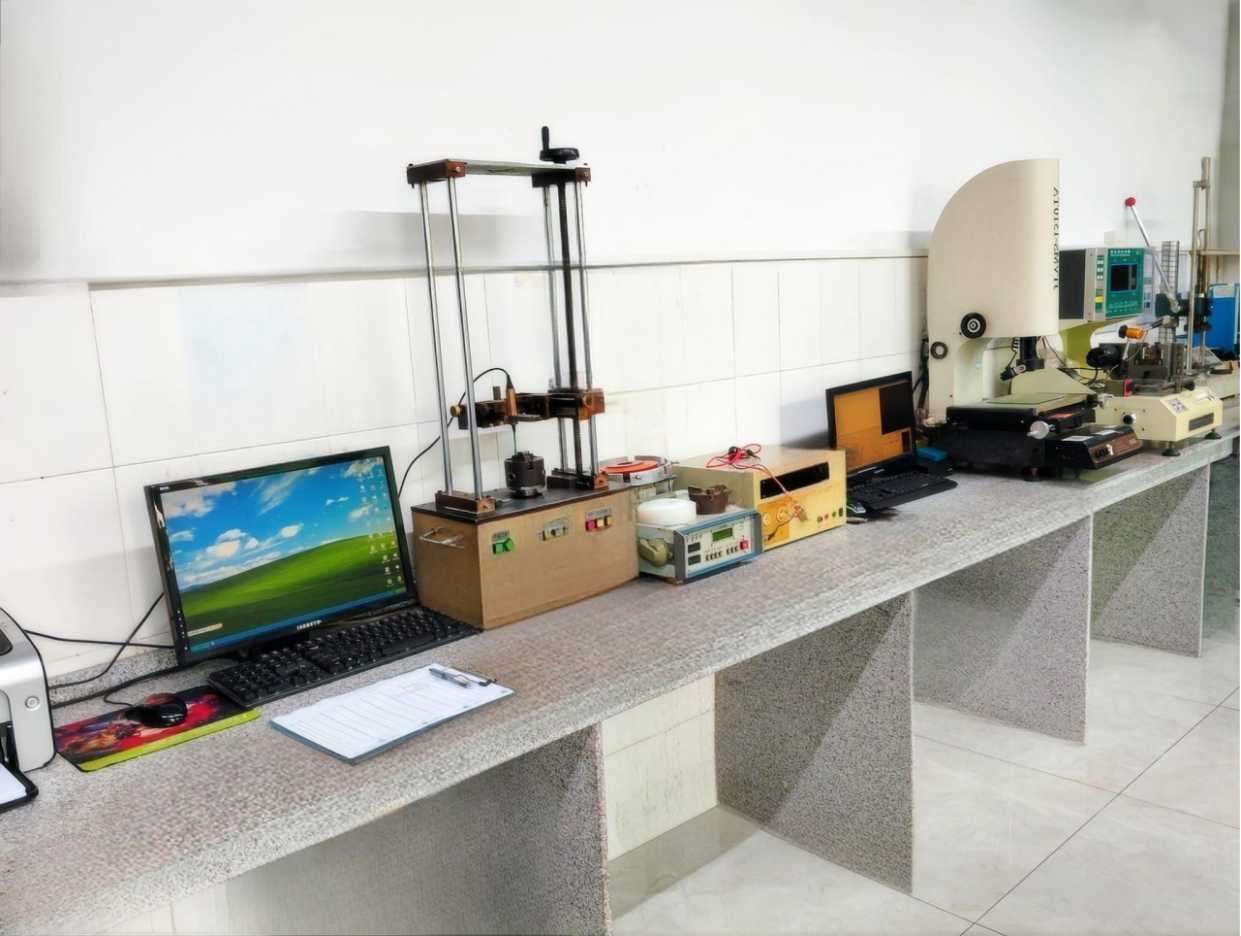
Ferrite magnets remain one of the most important and widely used permanent magnetic materials in modern manufacturing. Despite the rapid development of rare-earth magnets, ferrite magnets continue to dominate many industrial and commercial applications because they offer an outstanding balance of cost efficiency, mechanical durability, and long-term magnetic stability. From automotive components and industrial motors to consumer electronics and household appliances, ceramic magnets provide reliable and consistent magnetic performance at scale, making them especially suitable for high-volume production and long-term use.
One of the most significant advantages of ceramic magnets is their predictability throughout the entire product lifecycle. The raw materials used in ferrite magnets are abundant and widely available, which helps manufacturers avoid supply chain disruptions and sharp price fluctuations. In addition, ferrite magnet manufacturing processes are well established and highly mature, ensuring stable quality and repeatable performance. Their magnetic properties remain reliable over long operating lifetimes, even under continuous use or varying environmental conditions. This makes ferrite magnets an ideal choice for manufacturers who prioritize supply chain security, consistent pricing, and dependable product performance.
As application requirements become more demanding, understanding ferrite magnet grades—such as Y30, Y35, and Y40—becomes increasingly critical. These grades represent different levels of magnetic strength and energy efficiency, directly influencing design flexibility, size optimization, and overall system cost. Choosing the right ceramic magnets is no longer just a simple materials decision; it has become a strategic engineering and commercial decision that impacts product performance, cost control, and market competitiveness. This comprehensive guide explains ferrite magnet grades in detail, compares their properties and applications, and helps you select the most suitable ceramic magnets for your specific needs.
What Are Ferrite Magnets?
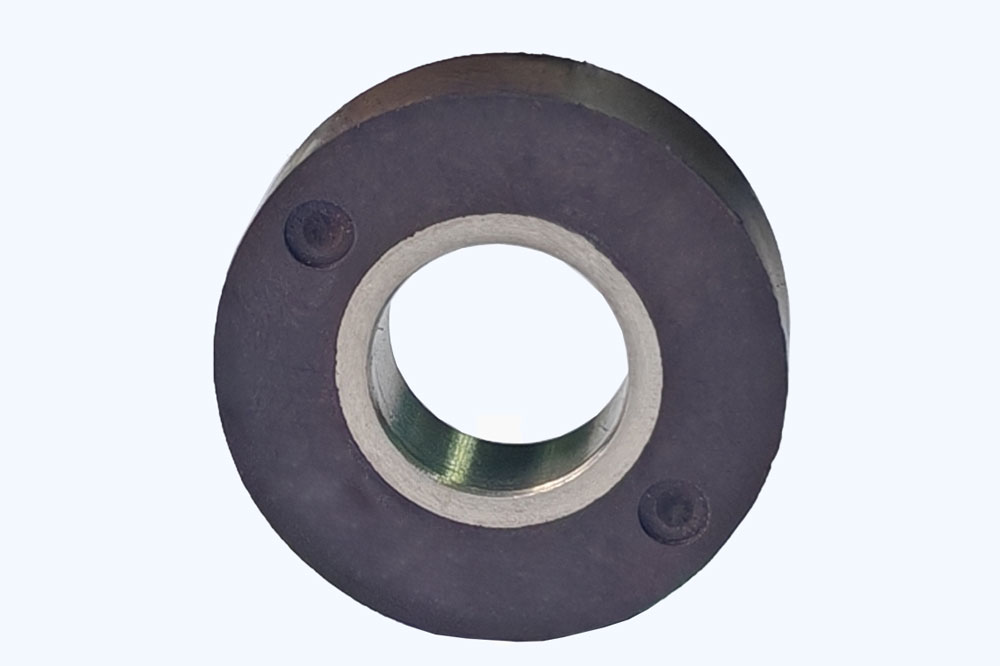
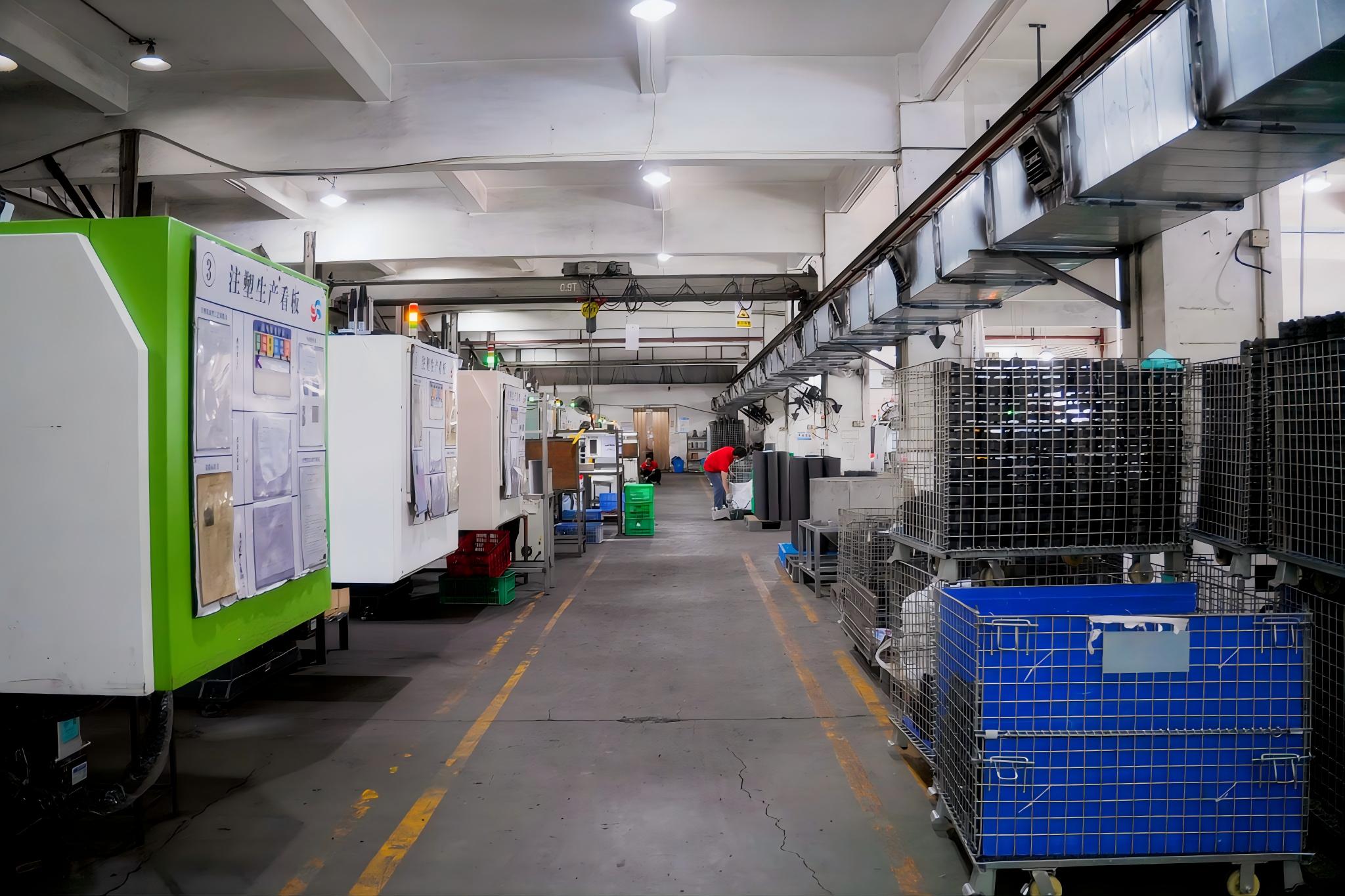
Ferrite magnets, also referred to as ceramic magnets, are permanent magnets made primarily from iron oxide combined with strontium carbonate or barium carbonate. Through carefully controlled manufacturing processes—most commonly high-temperature sintering or injection molding—these raw materials are transformed into solid magnetic components with stable structure and predictable magnetic performance. These mature production techniques allow ceramic magnets to be manufactured in large volumes while maintaining consistent quality, making them suitable for a wide range of industrial and commercial applications.
One of the defining characteristics of ceramic magnets is their independence from rare-earth elements. This significantly reduces raw material costs and eliminates the risks associated with rare-earth supply fluctuations and geopolitical uncertainties. As global manufacturers increasingly emphasize sustainability, cost control, and long-term sourcing strategies, ferrite magnets stand out as a dependable and future-proof magnetic solution that supports stable production planning.
From a magnetic standpoint, ceramic magnets belong to the category of hard magnetic materials. Once magnetized, they retain their magnetism effectively and exhibit strong resistance to demagnetization under normal operating conditions. Although their magnetic energy density is lower than that of neodymium magnets, ferrite magnets compensate with excellent thermal stability and consistent magnetic output across a wide temperature range. This makes them particularly suitable for applications where temperature variation is a concern.
ceramic magnets also perform exceptionally well in humid, wet, or chemically aggressive environments. Unlike metallic magnets that require additional surface coatings to prevent corrosion, ferrite magnets are naturally resistant to oxidation and rust. This inherent durability significantly reduces maintenance requirements, extends product lifespan, and enhances reliability, especially in outdoor, industrial, or harsh operating environments.
Key Characteristics of Ferrite Magnets
Ferrite magnets offer a combination of advantages that make them ideal for mass production:
-
Excellent corrosion and oxidation resistance
-
Stable magnetic output across a wide temperature range
-
Low and predictable production cost
-
Long service life with minimal performance degradation
-
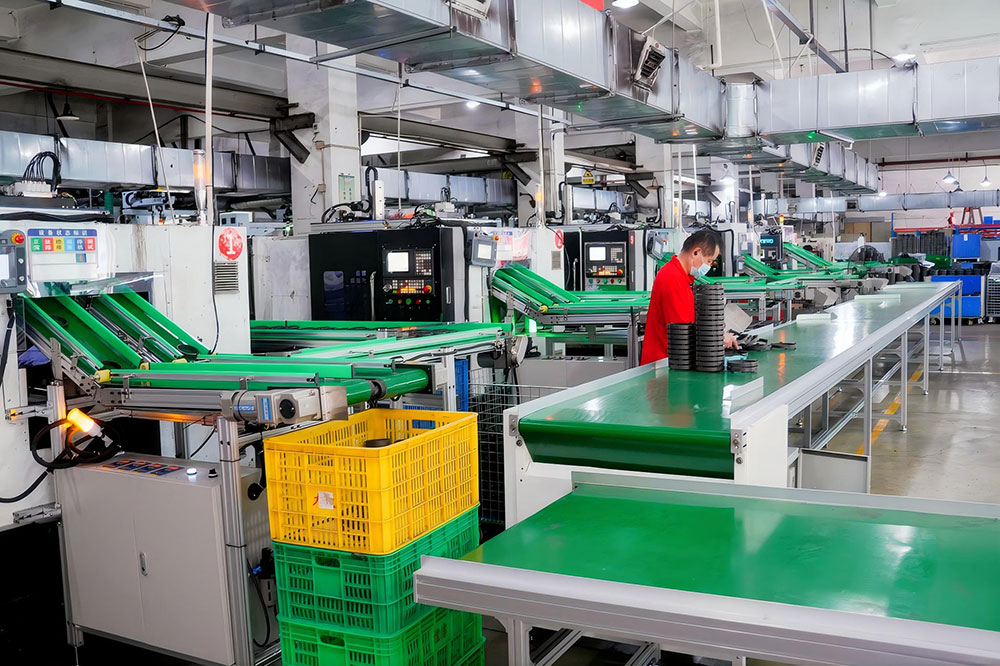
Compatibility with high-volume automated manufacturing
These features explain why ceramic magnets are widely used in motors, speakers, sensors, automotive systems, industrial machinery, and energy-related equipment.
Why Ferrite Magnet Grades Matter
Ferrite Magnet Grades Explained: Y30, Y35, Y40 and More
Ferrite magnet grades such as Y30, Y35, and Y40 represent increasing levels of magnetic energy and overall performance. These grades are widely recognized and accepted in international markets, providing a common technical language for engineers, designers, and suppliers when specifying magnetic requirements. By using standardized ferrite magnet grades, manufacturers can ensure consistency in product design, simplify communication across the supply chain, and reduce the risk of performance mismatches.
As the grade number increases, the maximum energy product of ceramic magnets also increases. In practical terms, this means that higher-grade ferrite magnets are capable of generating stronger magnetic fields within the same volume, or achieving the same magnetic performance using a smaller magnet size. This flexibility is especially valuable in modern product designs, where space constraints and weight reduction are often critical factors. Higher-grade ferrite magnets can help improve system efficiency, enhance torque output, and support more compact and integrated designs.
From an application perspective, lower-grade ceramic magnets typically emphasize cost efficiency, manufacturing simplicity, and reliability in less demanding environments. They are well suited for standard applications where magnetic performance requirements are moderate. In contrast, higher-grade ceramic magnets support compact, high-efficiency, and performance-driven designs that demand stronger magnetic force or improved energy utilization. Choosing the appropriate ferrite magnet grade requires balancing performance requirements, space limitations, operating temperature, and budget considerations. A clear understanding of ferrite magnet grades helps engineers achieve optimal design outcomes while controlling overall system cost.
Y30 Ferrite Magnets: Reliable and Cost-Effective
Y35 Ferrite Magnets: Enhanced Performance for Demanding Applications
Y35 ceramic magnets provide noticeably improved magnetic strength compared to Y30, making them well suited for applications that require higher efficiency, stronger magnetic force, and more reliable performance. This grade represents a carefully balanced solution between enhanced magnetic performance and reasonable cost, allowing manufacturers to upgrade system capability without a significant increase in material expense.
Y35 ceramic magnets are often selected to improve system performance while avoiding the higher cost and supply risks associated with rare-earth magnets. Their higher energy product enables better torque output in motors, improved magnetic coupling efficiency, and more stable operation under dynamic or load-changing conditions. As a result, Y35 ferrite magnets can help enhance overall system efficiency, reduce energy losses, and improve product reliability over extended operating periods.Common Uses of Y35 Ferrite Magnets
Y35 ceramic magnets are commonly used in:
-
Automotive motors, actuators, and auxiliary systems
-
Industrial fans, blowers, and ventilation equipment
-
Power tools and mechanical drive systems
-
Magnetic couplings, sensors, and control assemblies
This grade is particularly popular in automotive and industrial applications where durability, thermal stability, and cost efficiency must be carefully balanced. Y35 ceramic magnets perform reliably under varying temperatures and continuous operation, making them a trusted choice for demanding environments where consistent performance and long service life are essential.
Y40 Ferrite Magnets: High-Performance Ferrite Magnets
Other Ferrite Magnet Grades You Should Know
Sintered vs Injection-Molded Ferrite Magnets
Sintered Ferrite Magnets
How to Choose the Right Ferrite Magnets for Your Application
Selecting the right ferrite magnets requires careful evaluation of several key factors, including required magnetic strength, operating temperature range, environmental conditions, and expected production volume. Each of these elements directly influences magnet performance and long-term reliability. For example, applications with higher torque or holding force requirements may need higher-grade ferrite magnets, while products exposed to elevated temperatures or harsh environments must prioritize thermal stability and corrosion resistance. Understanding these requirements early in the design process helps prevent performance issues and costly redesigns later on.
Early collaboration with an experienced ferrite magnet manufacturer can significantly improve overall design outcomes. A knowledgeable supplier can provide valuable technical guidance on magnet grade selection, shape optimization, magnetization direction, and manufacturing feasibility. This collaborative approach allows engineers to optimize magnetic circuit design, reduce material waste, and ensure that the selected ferrite magnets meet both performance and cost objectives.
By carefully aligning ferrite magnet grade selection with specific application needs, manufacturers can improve system efficiency, enhance product reliability, and increase overall product value. Thoughtful magnet selection also helps balance performance with cost control, enabling manufacturers to deliver competitive, high-quality products that perform consistently throughout their intended service life.
Why Choose High Kos Magnet for Ferrite Magnets?
High Kos Magnet specializes in ferrite magnets, injection-molded magnets, and sintered magnetic solutions. With advanced R&D capabilities and strict quality control systems, we provide comprehensive magnetic solutions for global customers.
Our Advantages in Ferrite Magnets
-
Full range of ferrite magnet grades (Y25–Y40)
-
Custom design and tooling support
-
Stable mass production capacity
-
ISO-certified quality management
-
One-stop magnetic solution services
High Kos Magnet is committed to helping customers optimize magnetic performance while controlling total system cost.
Ferrite Magnets FAQ
What are ferrite magnets commonly used for?
Ferrite magnets are used in motors, speakers, automotive systems, household appliances, and industrial equipment.
Are ferrite magnets suitable for outdoor use?
Yes, ferrite magnets are naturally corrosion-resistant and suitable for harsh environments.
What is the strongest ferrite magnet grade?
Y40 ferrite magnets are among the strongest standard ferrite magnet grades.
Can ferrite magnets be customized?
Yes, ferrite magnets can be customized in shape, size, grade, and magnetization direction.
Conclusion: Choosing the Right Ferrite Magnets Makes the Difference
Understanding ferrite magnet grades such as Y30, Y35, and Y40 empowers manufacturers to make informed design decisions. Selecting the correct ferrite magnets improves efficiency, reduces cost, and enhances long-term reliability.
With the right expertise and manufacturing partner, ferrite magnets remain a powerful and economical solution for a wide range of applications.
Ready to Optimize Your Ferrite Magnets?
📩 Contact High Kos Magnet today to discuss your project requirements. Our experienced team is ready to help you select the ideal ferrite magnets and deliver a customized magnetic solution that drives your success.