
Author | High Kos Magnet
Updated | December 2025
Introduction: Why Choosing the Right Ceiling Fan Magnets Matters More Than Ever
As the global home appliance industry continues to move toward energy efficiency, low noise, and intelligent control, ceiling fan motor design is undergoing rapid transformation. In 2025, manufacturers are no longer competing solely on appearance or price—motor performance and reliability have become decisive factors, and at the center of these factors are ceiling fan magnets.
Ceiling fan magnets directly determine motor efficiency, torque output, thermal stability, and service life. With the increasing adoption of BLDC motors, stricter energy regulations, and higher consumer expectations for quiet operation, selecting the right magnet material is now a strategic decision rather than a simple component choice. A well-chosen magnet solution can significantly reduce power consumption, minimize noise, and enhance long-term product stability.
This guide provides a complete and practical overview of how to choose the right ceiling fan motor magnets in 2025, helping manufacturers, OEMs, and engineers make informed decisions that balance performance, cost, and scalability.
Understanding Ceiling Fan Magnets and Their Role in Motor Performance
What Are Ceiling Fan Magnets?
Ceiling fan magnets are permanent magnets specifically designed for use in ceiling fan motors. Unlike general industrial magnets, these magnets must operate continuously under rotational motion, electrical load, and varying temperature conditions. Their magnetic properties must remain stable over long operating cycles to ensure consistent motor performance.
High-quality ceiling fan magnets help convert electrical energy into mechanical motion efficiently. Poor-quality or improperly selected magnets can result in uneven rotation, higher power loss, increased heat generation, and premature motor failure. For manufacturers, understanding the function of ceiling fan magnets is essential to improving product quality and reducing warranty risks.
How Ceiling Fan Magnets Work Inside the Motor
Inside a ceiling fan motor, ceiling fan magnets interact with stator windings to generate a rotating magnetic field. This interaction produces torque that drives the fan blades. The strength, uniformity, and stability of the magnetic field directly influence motor speed control, vibration levels, and energy efficiency.
Well-designed ceiling fan magnets ensure smooth magnetic flux distribution, reducing cogging torque and minimizing mechanical noise. This is particularly important for modern residential and commercial ceiling fans, where silent operation and smooth airflow are key selling points.
Types of Ceiling Fan Magnets Used in 2025
In 2025, ceiling fan manufacturers can choose from several magnet materials, each offering distinct advantages depending on application requirements. Understanding these options helps align magnet selection with motor design goals and market positioning.
Ferrite Ceiling Fan Magnets: Cost-Effective and Reliable
Ferrite ceiling fan magnets remain widely used due to their excellent balance of cost, stability, and durability. They offer moderate magnetic strength but perform reliably across a wide temperature range, making them suitable for long-term operation.
Key advantages of ferrite ceiling fan magnets include strong resistance to corrosion, good thermal stability, and low material cost. These properties make them ideal for traditional AC ceiling fan motors and high-volume production targeting cost-sensitive markets. Although ferrite magnets require larger sizes to achieve required magnetic performance, their proven reliability continues to make them a popular choice.
Neodymium Ceiling Fan Magnets: High Performance for Modern Motors
Neodymium ceiling fan magnets are increasingly used in high-efficiency and compact motor designs. Their exceptionally high magnetic energy density allows manufacturers to reduce motor size and weight while improving torque and energy efficiency.
These ceiling fan magnets are particularly suitable for BLDC motors and smart ceiling fans that require precise speed control and low power consumption. However, neodymium magnets are more sensitive to temperature and corrosion, which means proper grade selection and surface coating are critical. When engineered correctly, neodymium ceiling fan magnets provide outstanding performance and help meet strict energy efficiency standards.
Injection Molded Ceiling Fan Magnets: Design Flexibility and Precision
Injection molded ceiling fan magnets combine magnetic powder with polymer binders, offering exceptional design flexibility. This technology allows complex shapes, integrated structures, and tight dimensional tolerances that are difficult to achieve with traditional sintered magnets.
Injection molded ceiling fan magnets reduce assembly steps, improve consistency, and enhance corrosion resistance due to the polymer matrix. They are especially suitable for compact BLDC motors and automated production lines, making them an increasingly important solution for next-generation ceiling fan designs.
Key Factors When Choosing Ceiling Fan Magnets in 2025
Selecting ceiling fan magnets requires careful evaluation of technical performance, operating conditions, and production requirements. A well-balanced approach ensures stable motor operation throughout the product lifecycle.
Magnetic Strength Requirements for Ceiling Fan Magnets
Magnetic strength directly affects motor torque, startup behavior, and efficiency. Ceiling fan magnets with insufficient strength may lead to unstable rotation and higher energy consumption, while excessive magnetic strength can increase costs without meaningful performance gains.
Manufacturers should optimize magnetic strength based on motor simulations, airflow requirements, and real-world testing. Custom-designed ceiling fan magnets often provide better performance than standard solutions.
Thermal Stability of Ceiling Fan Magnets
Ceiling fan motors operate for extended periods, generating heat that can affect magnetic performance. Ceiling fan magnets must maintain stability at operating temperatures to prevent irreversible demagnetization.
Ferrite ceiling fan magnets naturally offer strong thermal resistance, while neodymium magnets require appropriate high-temperature grades. Proper thermal consideration ensures consistent motor performance and long service life.
Noise Reduction and Vibration Control
Low noise has become a critical differentiator in ceiling fan products. Precision-manufactured ceiling fan magnets help achieve smooth magnetic transitions, reducing vibration and mechanical resonance.
Uniform magnetization and tight dimensional control improve rotor balance, leading to quieter operation and enhanced comfort, especially in residential and hospitality environments.
Corrosion Resistance and Coating Options
Ceiling fan magnets are often exposed to humidity, especially in tropical or coastal regions. Corrosion can degrade magnetic performance and shorten motor lifespan.
Injection molded ceiling fan magnets provide inherent corrosion protection, while sintered magnets rely on coatings such as epoxy or nickel. Selecting the right protection method ensures long-term reliability in demanding environments.
Ceiling Fan Magnets for BLDC Motors: A Growing Trend
BLDC motors are rapidly becoming the preferred choice due to their superior efficiency, precise control, and compatibility with smart systems. These motors demand ceiling fan magnets with high consistency, tight tolerances, and stable magnetization.
Neodymium and injection molded ceiling fan magnets meet these requirements and enable advanced motor control strategies. As BLDC adoption grows, the demand for high-performance ceiling fan magnets will continue to rise.
Energy Efficiency Standards and Ceiling Fan Motor Magnets
Global energy regulations are becoming increasingly strict. High-quality ceiling fan motor magnets help reduce electrical losses, improve airflow efficiency, and support compliance with international standards.
Optimized magnet solutions not only help manufacturers meet regulatory requirements but also lower operating costs for end users, enhancing product competitiveness.
Customization Options for Ceiling Fan Motor Magnets
Custom Shapes and Magnetization Patterns
Custom ceiling fan motor magnets allow manufacturers to tailor magnetic performance to specific motor designs. Optimized shapes and magnetization patterns improve magnetic field utilization and reduce material waste.
Injection molded ceiling fan motor magnets are particularly suitable for customized designs due to their manufacturing flexibility and precision.
OEM and ODM Support for Ceiling Fan Motor Magnets
Reliable OEM and ODM support plays a crucial role in successful product development. Professional ceiling fan magnet suppliers assist with material selection, prototyping, testing, and mass production.
This collaborative approach shortens development cycles, reduces risk, and ensures consistent quality from prototype to large-scale production.
Why Choose High Kos Magnet for Ceiling Fan Motor Magnets
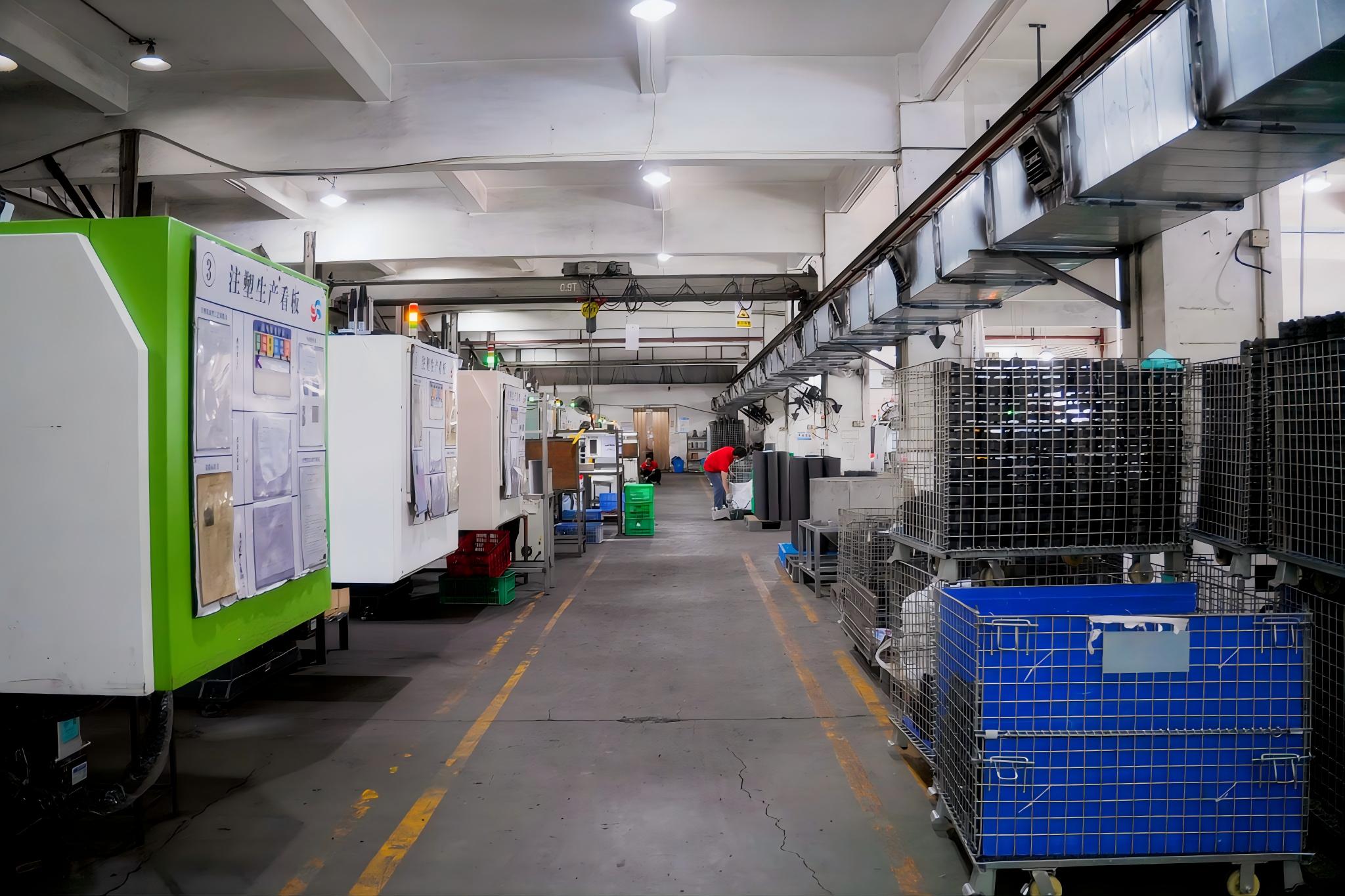
High Kos Magnet (Zhongshan High Kos Electronics Technology Co., Ltd.) is a high-tech enterprise specializing in the R&D, production, and sales of magnetic products. The company focuses on injection molded magnets and sintered magnets, including injection molded ferrite and injection molded NdFeB solutions.
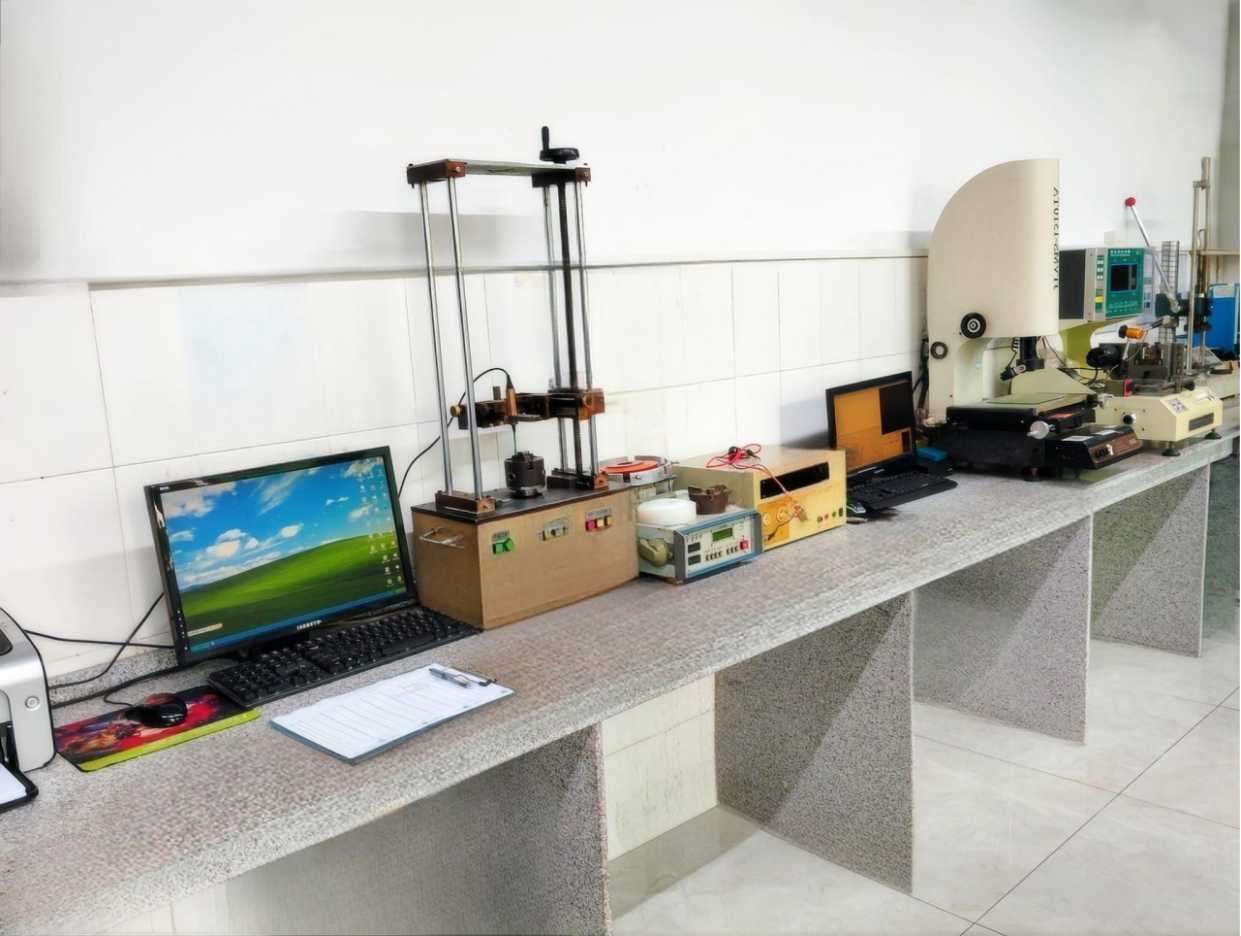
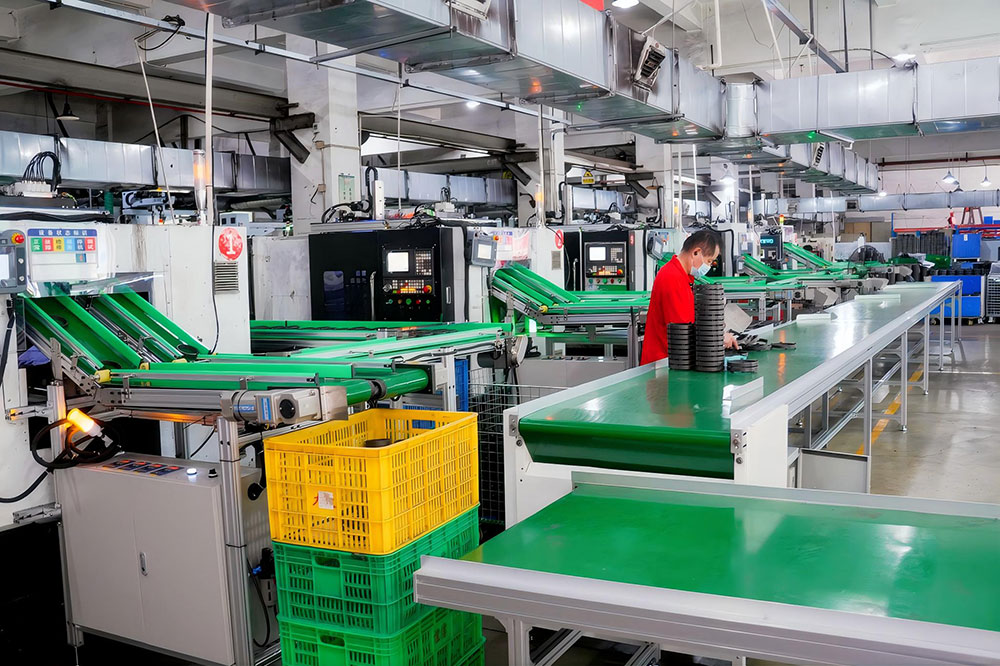
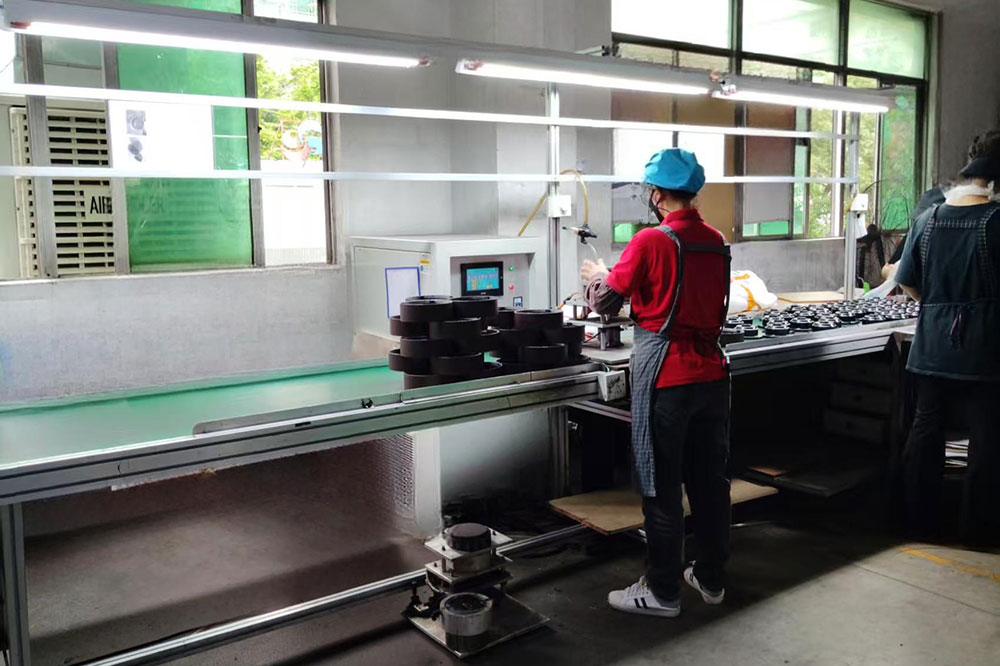
With strong engineering expertise, advanced production equipment, and strict quality control systems, High Kos Magnet provides reliable ceiling fan motor magnets tailored to customer requirements. From material selection to mass production, the company offers one-stop magnetic solutions that help customers improve motor performance, reduce costs, and accelerate time to market.
FAQ: Ceiling Fan Motor Magnets Explained
What is the best material for ceiling fan motor magnets in 2025?
The best material depends on motor type and performance requirements. Ferrite magnets suit cost-sensitive AC motors, while neodymium and injection molded ceiling fan motor magnets are ideal for BLDC motors.
Are neodymium ceiling fan motor magnets better than ferrite?
Neodymium magnets offer higher efficiency and compact design, while ferrite magnets provide better thermal stability and lower cost.
Can injection molded ceiling fan motor magnets replace sintered magnets?
In many applications, yes. Injection molded ceiling fan motor magnets offer better design flexibility and dimensional consistency.
How do ceiling fan motor magnets affect noise levels?
High-quality ceiling fan motor magnets reduce vibration and magnetic imbalance, resulting in quieter motor operation.
Does High Kos Magnet support custom ceiling fan magnet solutions?
Yes. High Kos Magnet offers full customization, including material selection, shape design, and magnetization solutions.
Conclusion: Making the Right Choice for Ceiling Fan Motor Magnets in 2025
In 2025, choosing the right ceiling fan motor magnets is essential for developing efficient, quiet, and reliable ceiling fan motors. A well-informed magnet strategy helps manufacturers balance performance, cost, and sustainability while meeting evolving market demands.
By partnering with an experienced manufacturer like High Kos Magnet, companies can confidently select advanced magnetic solutions that support innovation and long-term success.
Ready to Upgrade Your Ceiling Fan Motor Performance?
If you are looking for high-quality, customized ceiling fan magnets to enhance efficiency and reliability, contact High Kos Magnet today.
Our expert team is ready to help you choose the optimal magnetic solution for your ceiling fan applications.