
Author | High Kos Magnet
Updated | December 2025
Introduction to Multi-pole magnetic design Technology
In modern industrial and electronic systems, magnetic field control plays a critical role in performance, precision, and efficiency. One of the most important concepts in advanced magnet design is Multi-pole magnetic design technology. From electric motors and sensors to automation equipment and medical devices, magnetic multipole structures are widely used to optimize magnetic field distribution and enhance system reliability.
Understanding what magnetic multipole means, how it works, and where it is applied helps engineers, designers, and procurement professionals select the right magnetic solution for their projects. This article provides a comprehensive explanation of mMulti-pole magnetic design principles, types, and industrial applications, with a practical focus on manufacturing and customization.
What Is Multi-pole magnetic design?
Definition of Multi-pole magnetic design
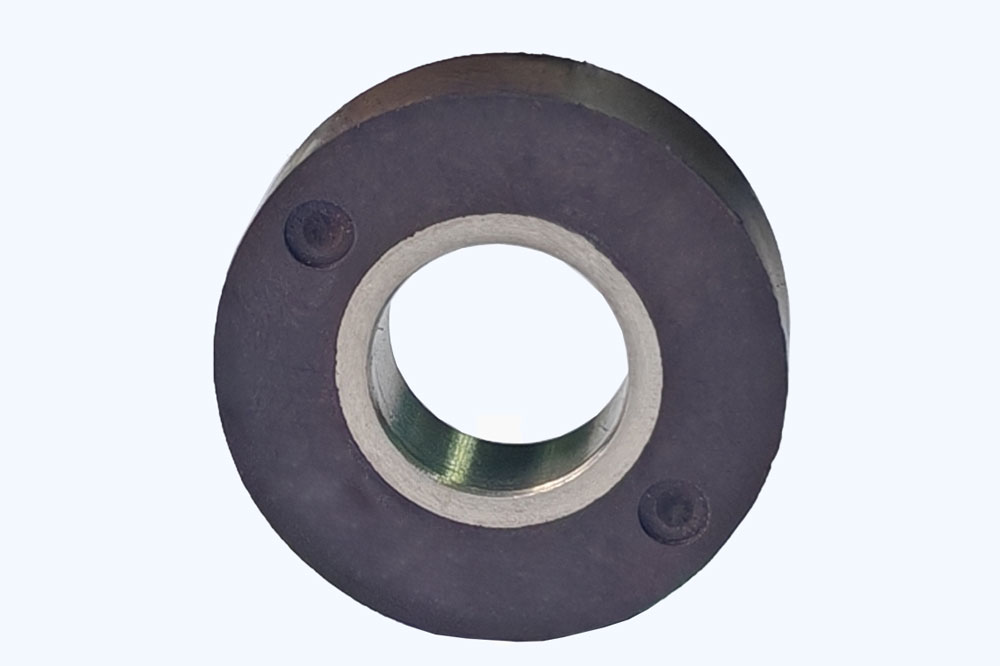
A Multi-pole magnetic design refers to a magnetic field configuration that consists of multiple alternating north and south magnetic poles arranged in a specific pattern. Unlike a simple dipole magnet with one north and one south pole, a Multi-pole magnetic design structure may include quadrupole, hexapole, octupole, or even higher-order pole arrangements.
This multipole configuration enables more precise magnetic field control, higher field gradients, and improved interaction with surrounding components. As a result, Multi-pole magnetic design designs are commonly used in applications requiring accuracy, stability, and compact size.
Why Magnetic Multi-pole magnetic design in Modern Design
Multi-pole magnetic design technology allows engineers to:
-
Achieve stronger magnetic fields in limited spaces
-
Reduce magnetic interference and leakage
-
Improve torque consistency in motors
-
Enhance sensor accuracy and signal resolution
These advantages make magnetic multipole systems indispensable in advanced industrial applications.
Principles of Multi-pole magnetic design Fields
How Multi-pole magnetic design Fields Are Formed
A Multi-pole magnetic design field is formed by arranging magnetic domains or magnetized segments in alternating polarity. This can be achieved through specialized magnetization processes, segmented magnet assembly, or injection molding with controlled magnetic orientation.
The Multi-pole magnetic design principle is based on superposition, where multiple magnetic poles interact to create a complex but controlled magnetic field pattern.
Key Physical Characteristics of Multi-pole magnetic design Fields
Multi-pole magnetic design fields are characterized by:
-
High field gradients for precise motion control
-
Localized magnetic influence, reducing stray fields
-
Symmetrical pole distribution for balanced performance
These characteristics allow Multi-pole magnetic design structures to outperform traditional dipole magnets in many demanding environments.
Types of Multi-pole magnetic design Configurations
Common Multi-pole magnetic design Types
Different applications require different magnetic multipole configurations. Common types include:
-
Quadrupole Multi-pole magnetic design – four alternating poles, often used in sensors and actuators
-
Hexapole Multi-pole magnetic design – six poles for smoother field transitions
-
Octupole Multi-pole magnetic design – eight poles for high-precision and stability
-
Custom multi-pole designs – tailored pole counts for specific requirements
Each magnetic multipole type offers unique performance characteristics depending on pole number, spacing, and magnet material.
Magnetic Multipole in Injection Molded and Sintered Magnets
Magnetic multipole designs can be implemented in both injection molded magnets (such as injection ferrite and injection NdFeB) and sintered magnets. Injection molded magnetic multipole components are especially suitable for complex shapes and integrated assemblies, while sintered magnetic multipole magnets provide higher magnetic strength.
Magnetic Multipole Manufacturing Methods
Injection Molded Magnetic Multipole Technology
Injection molding is widely used to produce magnetic multipole components with high dimensional accuracy and consistent magnetization. This process allows magnetic powder and polymer binders to be molded into complex geometries, followed by multipole magnetization.
Advantages include:
-
High design flexibility
-
Excellent repeatability
-
Integration with plastic or metal parts
Injection molded magnetic multipole solutions are ideal for sensors, automotive components, and compact motors.
Sintered Magnetic Multipole Manufacturing
Sintered magnetic multipole magnets, such as sintered ferrite and NdFeB, offer higher magnetic performance. These magnets are magnetized after sintering using specialized multipole magnetizing fixtures.
Sintered magnetic multipole products are commonly used in high-power motors, industrial automation, and precision equipment.
Magnetic Multipole Applications in Industry
Magnetic Multipole in Electric Motors
One of the most important applications of magnetic multipole technology is electric motors. Magnetic multipole configurations improve torque uniformity, reduce cogging torque, and enhance motor efficiency.
In brushless DC motors and servo motors, magnetic multipole designs enable smoother rotation and better control, especially in high-speed or precision-driven systems.
Multi-pole magnetic design Applications in Sensors and Encoders
Magnetic multipole structures are widely used in position sensors, rotary encoders, and linear measurement systems. The alternating pole pattern generates accurate and repeatable signals, making magnetic multipole solutions ideal for feedback and control applications.
Multi-pole magnetic design in Automotive and Industrial Equipment
In automotive systems, Multi-pole magnetic design components are used in:
-
Electric power steering
-
Motor position sensing
-
Actuators and control modules
Industrial automation equipment also relies on Multi-pole magnetic design technology for robotics, conveyor systems, and motion control devices.
Multi-pole magnetic design in Medical and Consumer Electronics
Medical devices and consumer electronics benefit from compact and stable Multi-pole magnetic design designs. These magnets enable silent operation, precise control, and long-term reliability in sensitive environments.
Advantages of Multi-pole magnetic design Design
Performance Benefits of Multi-pole magnetic design Systems
Compared with conventional magnets, Multi-pole magnetic design designs offer:
-
Enhanced magnetic efficiency
-
Improved signal resolution
-
Reduced mechanical vibration
-
Better space utilization
These benefits directly translate into improved product performance and longer service life.
Customization Flexibility of Multi-pole magnetic design Solutions
Multi-pole magnetic design systems can be customized in terms of pole count, magnetic strength, geometry, and material. This flexibility makes magnetic multipole technology suitable for both standard and highly specialized applications.
How to Choose the Right Multi-pole magnetic design Solution
Key Factors in Multi-pole magnetic design Selection
When selecting a Multi-pole magnetic design solution, consider:
-
Application environment
-
Required magnetic strength
-
Pole number and spacing
-
Manufacturing method
-
Cost and production volume
Working with an experienced Multi-pole magnetic design manufacturer ensures optimal performance and reliability.
Why Choose High Kos Magnet for Magnetic Multipole Solutions?
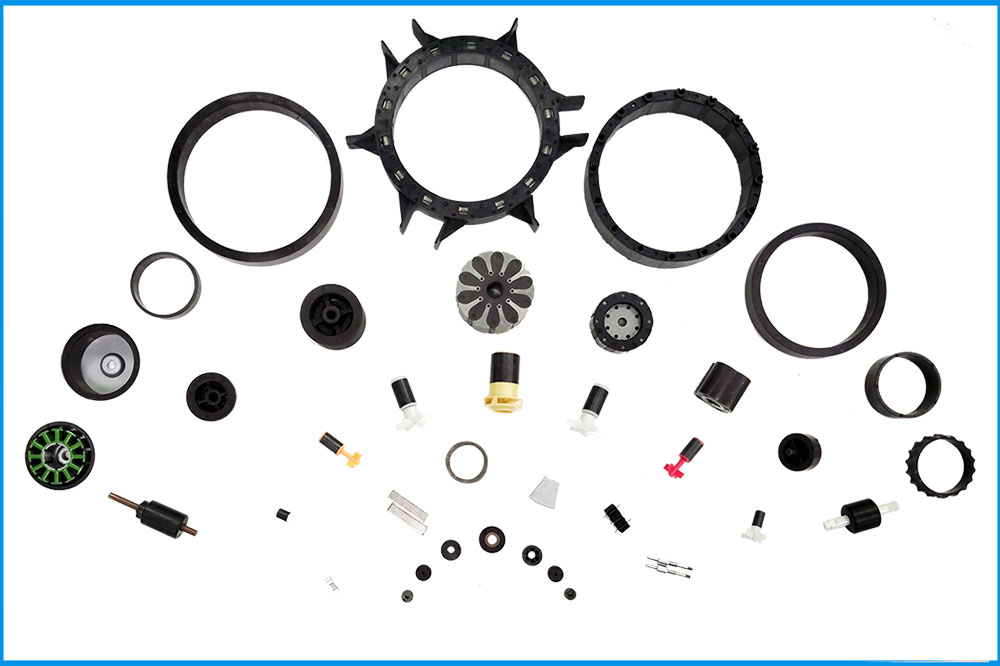
High Kos Magnet has extensive experience in magnetic multipole design, development, and manufacturing. As a high-tech enterprise specializing in injection molded magnets and sintered magnets, High Kos Magnet provides comprehensive magnetic solutions tailored to customer needs.
Key Advantages of High Kos Magnet
-
Strong R&D capability in magnetic multipole technology
-
Advanced injection molding and sintering production lines
-
Custom multipole magnetization solutions
-
Strict quality control and stable supply
-
One-stop service from design to mass production
Choosing High Kos Magnet means choosing reliability, precision, and long-term partnership.
FAQ About Magnetic Multipole
What is the difference between Multi-pole magnetic design and dipole magnets?
A magnetic multipole has multiple alternating poles, while a dipole magnet has only one north and one south pole. Multi-pole magnetic design designs offer better field control and precision.
Can Multi-pole magnetic design magnets be customized?
Yes. Multi-pole magnetic design magnets can be customized in material, shape, pole number, and magnetization pattern according to application requirements.
Are magnetic Multi-pole magnetic design suitable for high-volume production?
Injection molded Multi-pole magnetic design products are highly suitable for mass production, while sintered magnetic multipole magnets are ideal for high-performance needs.
What industries commonly use Multi-pole magnetic design technology?
Multi-pole magnetic design technology is widely used in automotive, industrial automation, electronics, medical devices, and electric motor manufacturing.
Conclusion: The Value of Multi-pole magnetic design Technology
Multi-pole magnetic design technology plays a vital role in modern industrial systems by enabling precise magnetic field control, improved efficiency, and compact design. From electric motors to sensors and automation equipment, Multi-pole magnetic design solutions continue to drive innovation across industries.
By partnering with an experienced manufacturer like High Kos Magnet, businesses can unlock the full potential of Multi-pole magnetic design technology and gain a competitive edge in their markets.
Ready to Optimize Your Multi-pole magnetic design Solution?
Contact High Kos Magnet today to discuss your Multi-pole magnetic design requirements and receive a customized, high-performance magnetic solution tailored to your application.